Apache Flink和 Redis 是两个强大的工具,可以一起使用来构建可以处理大量数据的实时数据处理管道。Flink 为处理数据流提供了一个高度可扩展和容错的平台,而 Redis 提供了一个高性能的内存数据库,可用于存储和查询数据。在本文中,将探讨如何使用 Flink 来使用异步函数调用 Redis,并展示如何使用它以非阻塞方式将数据推送到 Redis。
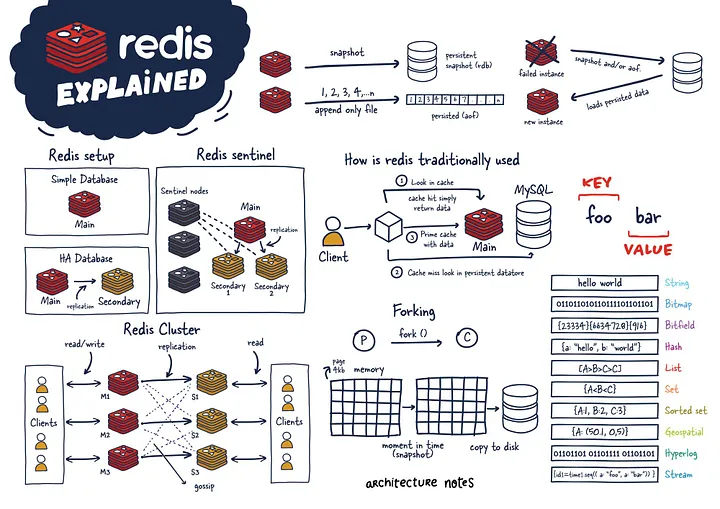
“Redis:不仅仅是一个缓存
Redis 是一种功能强大的 NoSQL 内存数据结构存储,已成为开发人员的首选工具。虽然它通常被认为只是一个缓存,但 Redis 远不止于此。它可以作为数据库、消息代理和缓存三者合一。
Redis 的优势之一是它的多功能性。它支持各种数据类型,包括字符串、列表、集合、有序集合、哈希、流、HyperLogLogs 和位图。Redis 还提供地理空间索引和半径查询,使其成为基于位置的应用程序的宝贵工具。
Redis 的功能超出了它的数据模型。它具有内置的复制、Lua 脚本和事务,并且可以使用 Redis Cluster 自动分区数据。此外,Redis 通过 Redis Sentinel 提供高可用性。
注意:在本文中,将更多地关注Redis集群模式
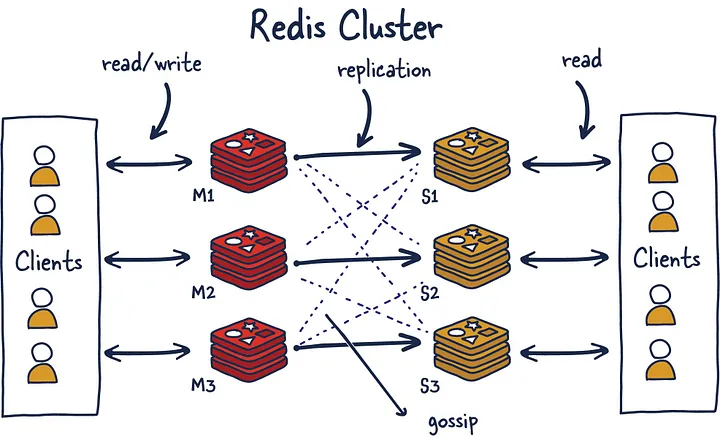
Redis 集群使用带哈希槽的算法分片来确定哪个分片拥有给定的键并简化添加新实例的过程。同时,它使用 Gossiping 来确定集群的健康状况,如果主节点没有响应,可以提升辅助节点以保持集群健康。必须有奇数个主节点和两个副本才能进行稳健设置,以避免脑裂现象(集群无法决定提升谁并最终做出分裂决定)
为了与 Redis 集群对话,将使用lettuce和 Redis Async Java 客户端。
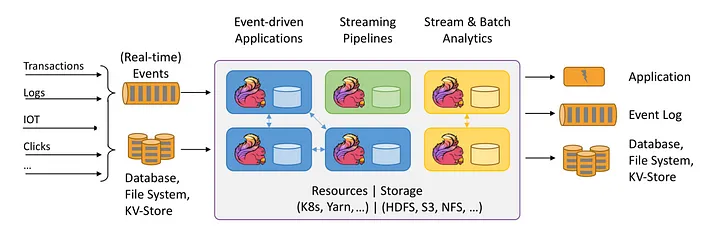
Apache Flink 是一个开源、统一的流处理和批处理框架,旨在处理实时、高吞吐量和容错数据处理。它建立在 Apache Gelly 框架之上,旨在支持有界和无界流上的复杂事件处理和有状态计算,它的快速之处在于其利用内存中性能和异步检查本地状态。
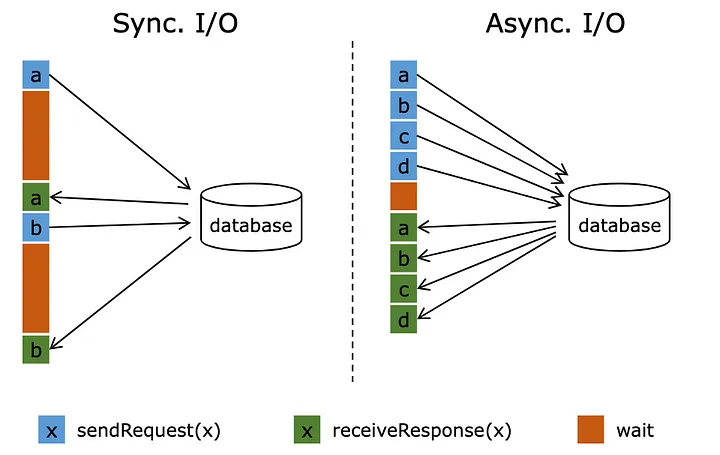
与数据库的异步交互是流处理应用程序的游戏规则改变者。通过这种方法,单个函数实例可以同时处理多个请求,从而允许并发响应并显着提高吞吐量。通过将等待时间与其他请求和响应重叠,处理管道变得更加高效。
我们将以电商数据为例,计算24小时滑动窗口中每个品类的销售额,滑动时间为30秒,下沉到Redis,以便更快地查找下游服务。
充足的数据集
Category, TimeStamp
Electronics,1679832334
Furniture,1679832336
Fashion,1679832378
Food,16798323536
Flink Kafka 消费者类
package Aysnc_kafka_redis;

import AsyncIO.RedisSink;
import akka.japi.tuple.Tuple3;
import deserializer.Ecommdeserialize;
import model.Ecomm;
import org.apache.flink.api.common.eventtime.WatermarkStrategy;
import org.apache.flink.connector.kafka.source.KafkaSource;
import org.apache.flink.connector.kafka.source.enumerator.initializer.OffsetsInitializer;
import org.apache.flink.streaming.api.datastream.AsyncDataStream;
import org.apache.flink.streaming.api.datastream.DataStream;
import org.apache.flink.streaming.api.datastream.SingleOutputStreamOperator;
import org.apache.flink.streaming.api.environment.StreamExecutionEnvironment;
import org.apache.flink.streaming.api.functions.timestamps.BoundedOutOfOrdernessTimestampExtractor;
import org.apache.flink.streaming.api.functions.windowing.WindowFunction;
import org.apache.flink.streaming.api.windowing.assigners.TumblingEventTimeWindows;
import org.apache.flink.streaming.api.windowing.time.Time;
import org.apache.flink.streaming.api.windowing.windows.TimeWindow;
import org.apache.flink.util.Collector;
import java.util.concurrent.TimeUnit;

public class FlinkAsyncRedis {

    public static void main(String[] args) throws Exception {


        final StreamExecutionEnvironment env = StreamExecutionEnvironment.getExecutionEnvironment();
        Ecommdeserialize jsonde = new Ecommdeserialize();

        KafkaSource<Ecomm> source = KafkaSource.<Ecomm>builder()
                .setTopics("{dummytopic}")
                .setBootstrapServers("{dummybootstrap}")
                .setGroupId("test_flink")
                .setStartingOffsets(OffsetsInitializer.earliest())
                .setValueOnlyDeserializer(jsonde)
                .build();


        DataStream<Ecomm> orderData = env.fromSource(source, WatermarkStrategy.noWatermarks(), "Kafka Source");


        orderData.assignTimestampsAndWatermarks(new BoundedOutOfOrdernessTimestampExtractor<Ecomm>(Time.seconds(10)) {
            @Override
            public long extractTimestamp(Ecomm element) {
                return element.getEventTimestamp(); // extract watermark column from stream
            }
        });

        SingleOutputStreamOperator<Tuple3<String, Long, Long>> aggregatedData = orderData.keyBy(Ecomm::getCategory)
                .window(SlidingEventTimeWindows.of(Time.hours(24),Time.seconds(30)))
                .apply((WindowFunction<Ecomm, Tuple3<String, Long, Long>, String, TimeWindow>) (key, window, input, out) -> {
                    long count = 0;
                    for (Ecomm event : input) {
                        count++; // increment the count for each event in the window
                    }
                    out.collect(new Tuple3<>(key, window.getEnd(), count)); // output the category, window end time, and count
                });


        // calling async I/0 operator to sink data to redis in UnOrdered way
        SingleOutputStreamOperator<String> sinkResults = AsyncDataStream.unorderedWait(aggregatedData,new RedisSink(
                "{redisClusterUrl}"),
                1000, // the timeout defines how long an asynchronous operation take before it is finally considered failed
                TimeUnit.MILLISECONDS,
                 100); //capacity This parameter defines how many asynchronous requests may be in progress at the same time.

        sinkResults.print(); // print out the redis set response stored in the future for every key

        env.execute("RedisAsyncSink"); // you will be able to see your job running on cluster by this name


    }

}
Redis 设置键异步 I/0 运算符
package AsyncIO;

import akka.japi.tuple.Tuple3;
import io.lettuce.core.RedisFuture;
import io.lettuce.core.cluster.RedisClusterClient;
import io.lettuce.core.cluster.api.StatefulRedisClusterConnection;
import io.lettuce.core.cluster.api.async.RedisAdvancedClusterAsyncCommands;
import lombok.AllArgsConstructor;
import org.apache.flink.api.java.tuple.Tuple2;
import org.apache.flink.configuration.Configuration;
import org.apache.flink.streaming.api.functions.async.ResultFuture;
import org.apache.flink.streaming.api.functions.async.RichAsyncFunction;
import scala.collection.immutable.List;

import java.util.ArrayList;
import java.util.Collections;

@AllArgsConstructor
public class RedisSink extends RichAsyncFunction<Tuple3<String, Long, Long>, String> {

    String redisUrl;

    public RedisSink(String redisUrl){
        this.redisUrl=redisUrl;
    }

    private transient RedisClusterClient client = null;
    private transient StatefulRedisClusterConnection<String, String> clusterConnection = null;
    private transient RedisAdvancedClusterAsyncCommands<String, String> asyncCall = null;


    // method executes any operator-specific initialization
    @Override
    public void open(Configuration parameters) {
        if (client == null ) {
            client = RedisClusterClient.create(redisUrl);
        }
        if (clusterConnection == null) {
            clusterConnection = client.connect();
        }
        if (asyncCall == null) {
            asyncCall  = clusterConnection.async();
        }
    }

    // core logic to set key in redis using async connection and return result of the call via ResultFuture
    @Override
    public void asyncInvoke(Tuple3<String, Long, Long> stream, ResultFuture<String> resultFuture) {

        String productKey = stream.t1();
        System.out.println("RedisKey:" + productKey); //for logging
        String count = stream.t3().toString();
        System.out.println("Redisvalue:" +  count); //for logging
        RedisFuture<String> setResult = asyncCall.set(productKey,count);

        setResult.whenComplete((result, throwable) -> {if(throwable!=null){
            System.out.println("Callback from redis failed:" + throwable);
            resultFuture.complete(new ArrayList<>());
        }
        else{
            resultFuture.complete(new ArrayList(Collections.singleton(result)));
        }});
    }

     // method closes what was opened during initialization to free any resources
    //  held by the operator (e.g. open network connections, io streams)
    @Override
    public void close() throws Exception {
        client.close();
    }

}我正在学习如何使用Nokogiri,根据这段代码我遇到了一些问题:require'rubygems'require'mechanize'post_agent=WWW::Mechanize.newpost_page=post_agent.get('http://www.vbulletin.org/forum/showthread.php?t=230708')puts"\nabsolutepathwithtbodygivesnil"putspost_page.parser.xpath('/html/body/div/div/div/div/div/table/tbody/tr/td/div
我有一个Ruby程序,它使用rubyzip压缩XML文件的目录树。gem。我的问题是文件开始变得很重,我想提高压缩级别,因为压缩时间不是问题。我在rubyzipdocumentation中找不到一种为创建的ZIP文件指定压缩级别的方法。有人知道如何更改此设置吗?是否有另一个允许指定压缩级别的Ruby库? 最佳答案 这是我通过查看rubyzip内部创建的代码。level=Zlib::BEST_COMPRESSIONZip::ZipOutputStream.open(zip_file)do|zip|Dir.glob("**/*")d
类classAprivatedeffooputs:fooendpublicdefbarputs:barendprivatedefzimputs:zimendprotecteddefdibputs:dibendendA的实例a=A.new测试a.foorescueputs:faila.barrescueputs:faila.zimrescueputs:faila.dibrescueputs:faila.gazrescueputs:fail测试输出failbarfailfailfail.发送测试[:foo,:bar,:zim,:dib,:gaz].each{|m|a.send(m)resc
很好奇,就使用rubyonrails自动化单元测试而言,你们正在做什么?您是否创建了一个脚本来在cron中运行rake作业并将结果邮寄给您?git中的预提交Hook?只是手动调用?我完全理解测试,但想知道在错误发生之前捕获错误的最佳实践是什么。让我们理所当然地认为测试本身是完美无缺的,并且可以正常工作。下一步是什么以确保他们在正确的时间将可能有害的结果传达给您? 最佳答案 不确定您到底想听什么,但是有几个级别的自动代码库控制:在处理某项功能时,您可以使用类似autotest的内容获得关于哪些有效,哪些无效的即时反馈。要确保您的提
假设我做了一个模块如下:m=Module.newdoclassCendend三个问题:除了对m的引用之外,还有什么方法可以访问C和m中的其他内容?我可以在创建匿名模块后为其命名吗(就像我输入“module...”一样)?如何在使用完匿名模块后将其删除,使其定义的常量不再存在? 最佳答案 三个答案:是的,使用ObjectSpace.此代码使c引用你的类(class)C不引用m:c=nilObjectSpace.each_object{|obj|c=objif(Class===objandobj.name=~/::C$/)}当然这取决于
我正在尝试使用ruby和Savon来使用网络服务。测试服务为http://www.webservicex.net/WS/WSDetails.aspx?WSID=9&CATID=2require'rubygems'require'savon'client=Savon::Client.new"http://www.webservicex.net/stockquote.asmx?WSDL"client.get_quotedo|soap|soap.body={:symbol=>"AAPL"}end返回SOAP异常。检查soap信封,在我看来soap请求没有正确的命名空间。任何人都可以建议我
关闭。这个问题是opinion-based.它目前不接受答案。想要改进这个问题?更新问题,以便editingthispost可以用事实和引用来回答它.关闭4年前。Improvethisquestion我想在固定时间创建一系列低音和高音调的哔哔声。例如:在150毫秒时发出高音调的蜂鸣声在151毫秒时发出低音调的蜂鸣声200毫秒时发出低音调的蜂鸣声250毫秒的高音调蜂鸣声有没有办法在Ruby或Python中做到这一点?我真的不在乎输出编码是什么(.wav、.mp3、.ogg等等),但我确实想创建一个输出文件。
我在我的项目目录中完成了compasscreate.和compassinitrails。几个问题:我已将我的.sass文件放在public/stylesheets中。这是放置它们的正确位置吗?当我运行compasswatch时,它不会自动编译这些.sass文件。我必须手动指定文件:compasswatchpublic/stylesheets/myfile.sass等。如何让它自动运行?文件ie.css、print.css和screen.css已放在stylesheets/compiled。如何在编译后不让它们重新出现的情况下删除它们?我自己编译的.sass文件编译成compiled/t
我想将html转换为纯文本。不过,我不想只删除标签,我想智能地保留尽可能多的格式。为插入换行符标签,检测段落并格式化它们等。输入非常简单,通常是格式良好的html(不是整个文档,只是一堆内容,通常没有anchor或图像)。我可以将几个正则表达式放在一起,让我达到80%,但我认为可能有一些现有的解决方案更智能。 最佳答案 首先,不要尝试为此使用正则表达式。很有可能你会想出一个脆弱/脆弱的解决方案,它会随着HTML的变化而崩溃,或者很难管理和维护。您可以使用Nokogiri快速解析HTML并提取文本:require'nokogiri'h
我想为Heroku构建一个Rails3应用程序。他们使用Postgres作为他们的数据库,所以我通过MacPorts安装了postgres9.0。现在我需要一个postgresgem并且共识是出于性能原因你想要pggem。但是我对我得到的错误感到非常困惑当我尝试在rvm下通过geminstall安装pg时。我已经非常明确地指定了所有postgres目录的位置可以找到但仍然无法完成安装:$envARCHFLAGS='-archx86_64'geminstallpg--\--with-pg-config=/opt/local/var/db/postgresql90/defaultdb/po
