
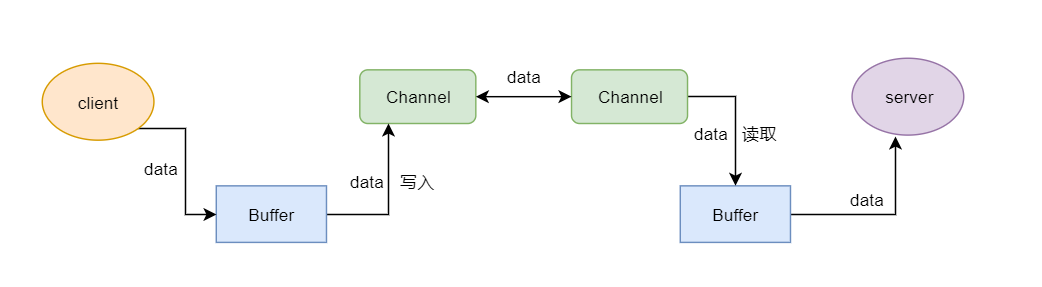
 Channel类型:
while(true){
SocketChannel socketChannel = serverSocketChannel.accept();
//do something with socketChannel...
}ServerSocketChannel serverSocketChannel = ServerSocketChannel.open();
serverSocketChannel.socket().bind(new InetSocketAddress(8888));
serverSocketChannel.configureBlocking(false);
while(true){
SocketChannel socketChannel = serverSocketChannel.accept();
if(socketChannel != null){
//do something with socketChannel...
}
}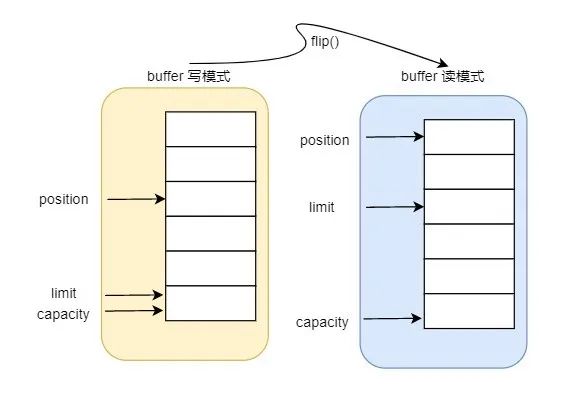 mark() 与 reset()方法
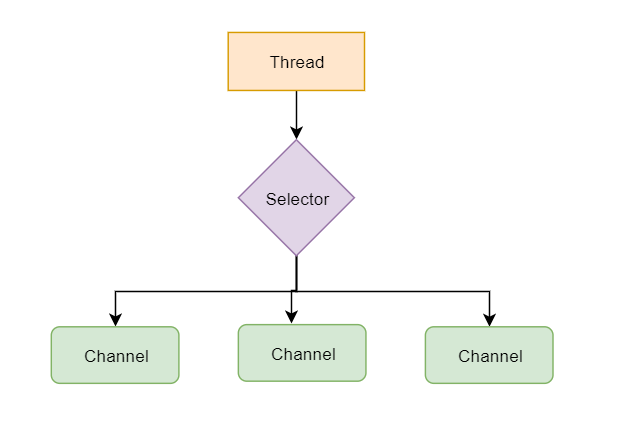 线程使用一个selector处理多个channel代码3:
channel.configureBlocking(false);
SelectionKey key = channel.register(selector,Selectionkey.OP_READ);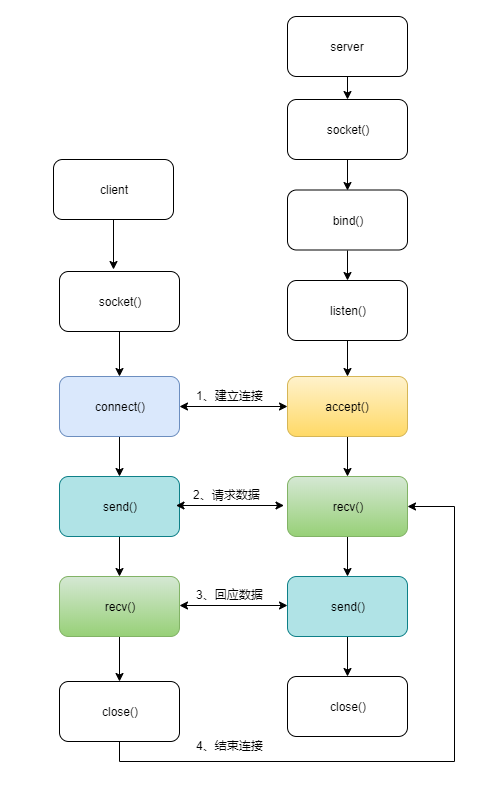 selectedKeys() 一旦调用了select()方法,并且返回值表明有一个或更多个通道就绪了,然后可以通过调用selector的selectedKeys()方法,访问已选择键集(selected key set)中的就绪通道。wakeUp()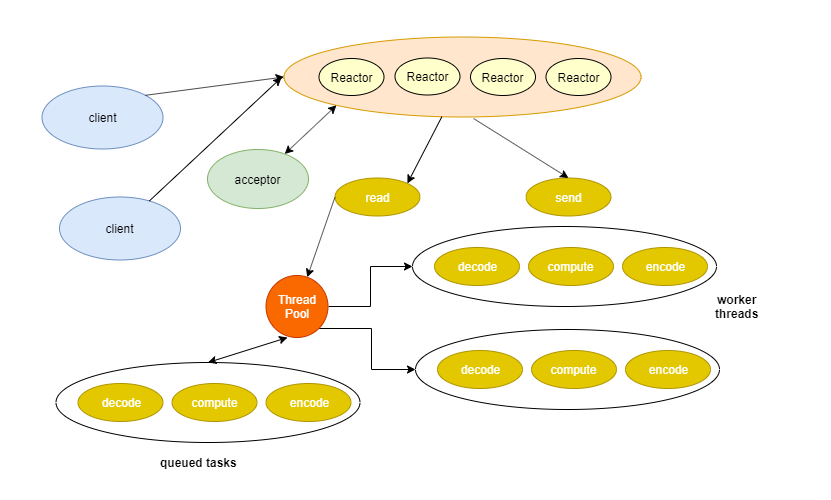
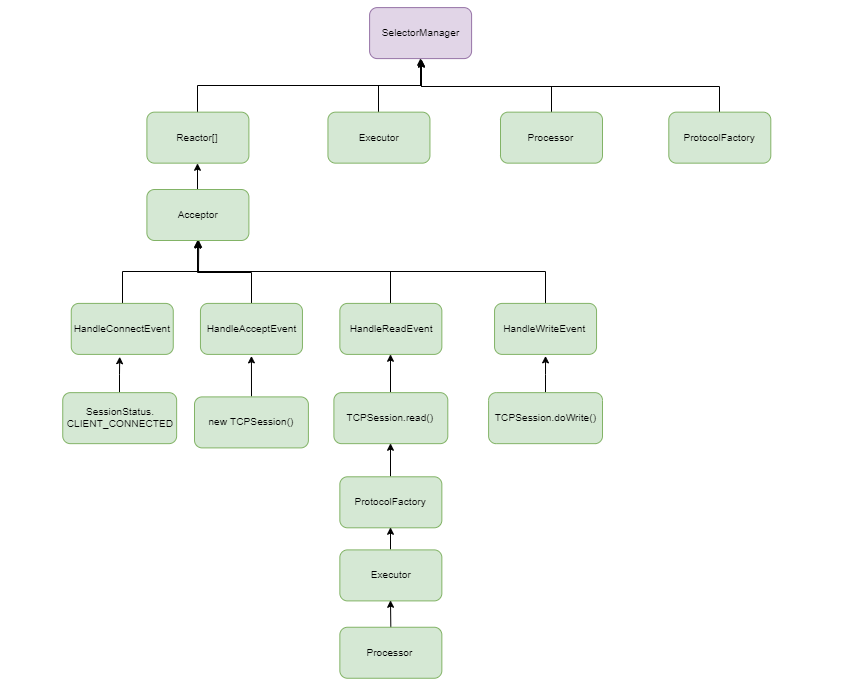
public void bind(AppService appService) throws IOException {

    // 此处略去非关键代码

    if (endpoint.type().equals("tcp")) {  // 1
        this.selectorManager = new SelectorManager(Utils.getSelectorPoolSize(), new ServantProtocolFactory(codec), threadPool, processor, keepAlive, "server-tcp-reactor", false);     // 2
        this.selectorManager.setTcpNoDelay(serverCfg.isTcpNoDelay());
        this.selectorManager.start();
        ServerSocketChannel serverChannel = ServerSocketChannel.open();
        serverChannel.socket().bind(new InetSocketAddress(endpoint.host(), endpoint.port()), 1024);   // 3
        serverChannel.configureBlocking(false);
              selectorManager.getReactor(0).registerChannel(serverChannel, SelectionKey.OP_ACCEPT);  // 4
    } else if (endpoint.type().equals("udp")) {
        this.selectorManager = new SelectorManager(1, new ServantProtocolFactory(codec), threadPool, processor, false, "server-udp-reactor", true);
        this.selectorManager.start();
        // UDP开启的是DatagramChannel
        DatagramChannel serverChannel = DatagramChannel.open();
        DatagramSocket socket = serverChannel.socket();
        socket.bind(new InetSocketAddress(endpoint.host(), endpoint.port()));
        serverChannel.configureBlocking(false);
        // UDP协议不需要建连,监听的是OP_READ就绪事件
        this.selectorManager.getReactor(0).registerChannel(serverChannel, SelectionKey.OP_READ);
    }
}public void run() {
while (!Thread.interrupted()) {
selector.select(); // 1
processRegister(); // 2
Iterator<SelectionKey> iter = selector.selectedKeys().iterator(); // 3
while (iter.hasNext()) {
SelectionKey key = iter.next();
iter.remove();
if (!key.isValid()) continue;
try {
if (key.attachment() != null && key.attachment() instanceof Session) {
((Session) key.attachment()).updateLastOperationTime(); //4
}
dispatchEvent(key); // 5
} catch (Throwable ex) {
disConnectWithException(key, ex);
}
}
processUnRegister(); // 6
}
}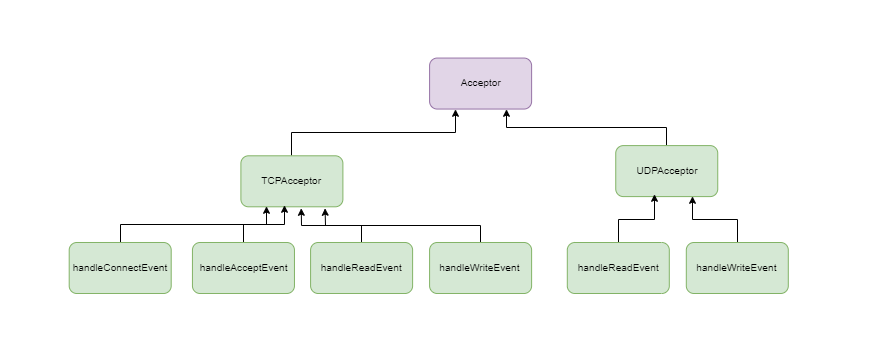 1、 处理OP_ACCEPT
public void handleAcceptEvent(SelectionKey key) throws IOException {
ServerSocketChannel server = (ServerSocketChannel) key.channel(); // 1
SocketChannel channel = server.accept();
channel.socket().setTcpNoDelay(selectorManager.isTcpNoDelay());
channel.configureBlocking(false);
Utils.setQosFlag(channel.socket());
TCPSession session = new TCPSession(selectorManager); // 2
session.setChannel(channel);
session.setStatus(SessionStatus.SERVER_CONNECTED);
session.setKeepAlive(selectorManager.isKeepAlive());
session.setTcpNoDelay(selectorManager.isTcpNoDelay());
SessionManager.getSessionManager().registerSession(session); // 3
selectorManager.nextReactor().registerChannel(channel, SelectionKey.OP_READ, session); // 4
}public void handleConnectEvent(SelectionKey key) throws IOException {
SocketChannel client = (SocketChannel) key.channel(); // 1
TCPSession session = (TCPSession) key.attachment(); //2
if (session == null) throw new RuntimeException("The session is null when connecting to ...");
try { // 3
client.finishConnect();
key.interestOps(SelectionKey.OP_READ);
session.setStatus(SessionStatus.CLIENT_CONNECTED);
} finally {
session.finishConnect();
}
}public void handleReadEvent(SelectionKey key) throws IOException {
TCPSession session = (TCPSession) key.attachment();
if (session == null) throw new RuntimeException("The session is null when reading data...");
session.read();
}
public void handleWriteEvent(SelectionKey key) throws IOException {
TCPSession session = (TCPSession) key.attachment();
if (session == null) throw new RuntimeException("The session is null when writing data...");
session.doWrite();
}protected void read() throws IOException {
int ret = readChannel();
if (this.status == SessionStatus.CLIENT_CONNECTED) {
readResponse();
} else if (this.status == SessionStatus.SERVER_CONNECTED) {
readRequest();
} else {
throw new IllegalStateException("The current session status is invalid. [status:" + this.status + "]");
}
if (ret < 0) {
close();
return;
}
}
private int readChannel() throws IOException {
int readBytes = 0, ret = 0;
ByteBuffer data = ByteBuffer.allocate(1024 * 2); // 1
if (readBuffer == null) {
readBuffer = IoBuffer.allocate(bufferSize);
}
// 2
while ((ret = ((SocketChannel) channel).read(data)) > 0) {
data.flip(); // 3
readBytes += data.remaining();
readBuffer.put(data.array(), data.position(), data.remaining());
data.clear();
}
return ret < 0 ? ret : readBytes;
}public void readResponse() {
Response response = null;
IoBuffer tempBuffer = null;
tempBuffer = readBuffer.duplicate().flip();
while (true) {
tempBuffer.mark();
if (tempBuffer.remaining() > 0) {
response = selectorManager.getProtocolFactory().getDecoder().decodeResponse(tempBuffer, this);
} else {
response = null;
}
if (response != null) {
if (response.getTicketNumber() == Ticket.DEFAULT_TICKET_NUMBER) response.setTicketNumber(response.getSession().hashCode());
selectorManager.getThreadPool().execute(new WorkThread(response, selectorManager));
} else {
tempBuffer.reset();
readBuffer = resetIoBuffer(tempBuffer);
break;
}
}
}public void readRequest() {
Request request = null;
IoBuffer tempBuffer = readBuffer.duplicate().flip();
while (true) {
tempBuffer.mark();
if (tempBuffer.remaining() > 0) {
request = selectorManager.getProtocolFactory().getDecoder().decodeRequest(tempBuffer, this);
} else {
request = null;
}
if (request != null) {
try {
request.resetBornTime();
selectorManager.getThreadPool().execute(new WorkThread(request, selectorManager));
} catch (RejectedExecutionException e) {
selectorManager.getProcessor().overload(request, request.getIoSession());
} catch (Exception ex) {
ex.printStackTrace();
}
} else {
tempBuffer.reset();
readBuffer = resetIoBuffer(tempBuffer);
break;
}
}
}protected void write(IoBuffer buffer) throws IOException {
if (buffer == null) return;
if (channel == null || key == null) throw new IOException("Connection is closed");
if (!this.queue.offer(buffer.buf())) {
throw new IOException("The session queue is full. [ queue size:" + queue.size() + " ]");
}
if (key != null) {
key.interestOps(key.interestOps() | SelectionKey.OP_WRITE);
key.selector().wakeup();
}
}我真的很习惯使用Ruby编写以下代码:my_hash={}my_hash['test']=1Java中对应的数据结构是什么? 最佳答案 HashMapmap=newHashMap();map.put("test",1);我假设? 关于java-等价于Java中的RubyHash,我们在StackOverflow上找到一个类似的问题: https://stackoverflow.com/questions/22737685/
几个月前,我读了一篇关于rubygem的博客文章,它可以通过阅读代码本身来确定编程语言。对于我的生活,我不记得博客或gem的名称。谷歌搜索“ruby编程语言猜测”及其变体也无济于事。有人碰巧知道相关gem的名称吗? 最佳答案 是这个吗:http://github.com/chrislo/sourceclassifier/tree/master 关于ruby-寻找通过阅读代码确定编程语言的rubygem?,我们在StackOverflow上找到一个类似的问题:
我想在Ruby中创建一个用于开发目的的极其简单的Web服务器(不,不想使用现成的解决方案)。代码如下:#!/usr/bin/rubyrequire'socket'server=TCPServer.new('127.0.0.1',8080)whileconnection=server.acceptheaders=[]length=0whileline=connection.getsheaders想法是从命令行运行这个脚本,提供另一个脚本,它将在其标准输入上获取请求,并在其标准输出上返回完整的响应。到目前为止一切顺利,但事实证明这真的很脆弱,因为它在第二个请求上中断并出现错误:/usr/b
我正在尝试使用boilerpipe来自JRuby。我看过guide从JRuby调用Java,并成功地将它与另一个Java包一起使用,但无法弄清楚为什么同样的东西不能用于boilerpipe。我正在尝试基本上从JRuby中执行与此Java等效的操作:URLurl=newURL("http://www.example.com/some-location/index.html");Stringtext=ArticleExtractor.INSTANCE.getText(url);在JRuby中试过这个:require'java'url=java.net.URL.new("http://www
我只想对我一直在思考的这个问题有其他意见,例如我有classuser_controller和classuserclassUserattr_accessor:name,:usernameendclassUserController//dosomethingaboutanythingaboutusersend问题是我的User类中是否应该有逻辑user=User.newuser.do_something(user1)oritshouldbeuser_controller=UserController.newuser_controller.do_something(user1,user2)我
什么是ruby的rack或python的Java的wsgi?还有一个路由库。 最佳答案 来自Python标准PEP333:Bycontrast,althoughJavahasjustasmanywebapplicationframeworksavailable,Java's"servlet"APImakesitpossibleforapplicationswrittenwithanyJavawebapplicationframeworktoruninanywebserverthatsupportstheservletAPI.ht
一、引擎主循环UE版本:4.27一、引擎主循环的位置:Launch.cpp:GuardedMain函数二、、GuardedMain函数执行逻辑:1、EnginePreInit:加载大多数模块int32ErrorLevel=EnginePreInit(CmdLine);PreInit模块加载顺序:模块加载过程:(1)注册模块中定义的UObject,同时为每个类构造一个类默认对象(CDO,记录类的默认状态,作为模板用于子类实例创建)(2)调用模块的StartUpModule方法2、FEngineLoop::Init()1、检查Engine的配置文件找出使用了哪一个GameEngine类(UGame
这篇文章是继上一篇文章“Observability:从零开始创建Java微服务并监控它(一)”的续篇。在上一篇文章中,我们讲述了如何创建一个Javaweb应用,并使用Filebeat来收集应用所生成的日志。在今天的文章中,我来详述如何收集应用的指标,使用APM来监控应用并监督web服务的在线情况。源码可以在地址 https://github.com/liu-xiao-guo/java_observability 进行下载。摄入指标指标被视为可以随时更改的时间点值。当前请求的数量可以改变任何毫秒。你可能有1000个请求的峰值,然后一切都回到一个请求。这也意味着这些指标可能不准确,你还想提取最小/
HashMap中为什么引入红黑树,而不是AVL树呢1.概述开始学习这个知识点之前我们需要知道,在JDK1.8以及之前,针对HashMap有什么不同。JDK1.7的时候,HashMap的底层实现是数组+链表JDK1.8的时候,HashMap的底层实现是数组+链表+红黑树我们要思考一个问题,为什么要从链表转为红黑树呢。首先先让我们了解下链表有什么不好???2.链表上述的截图其实就是链表的结构,我们来看下链表的增删改查的时间复杂度增:因为链表不是线性结构,所以每次添加的时候,只需要移动一个节点,所以可以理解为复杂度是N(1)删:算法时间复杂度跟增保持一致查:既然是非线性结构,所以查询某一个节点的时候
网络编程套接字网络编程基础知识理解源`IP`地址和目的`IP`地址理解源MAC地址和目的MAC地址认识端口号理解端口号和进程ID理解源端口号和目的端口号认识`TCP`协议认识`UDP`协议网络字节序socket编程接口`sockaddr``UDP`网络程序服务器端代码逻辑:需要用到的接口服务器端代码`udp`客户端代码逻辑`udp`客户端代码`TCP`网络程序服务器代码逻辑多个版本服务器单进程版本多进程版本多线程版本线程池版本服务器端代码客户端代码逻辑客户端代码TCP协议通讯流程TCP协议的客户端/服务器程序流程三次握手(建立连接)数据传输四次挥手(断开连接)TCP和UDP对比网络编程基础知识
