草庐IT

二分搜索树节点的查找

runoob 2023-04-06 原文

二分搜索树节点的查找

二分搜索树没有下标, 所以针对二分搜索树的查找操作, 这里定义一个 contain 方法, 判断二分搜索树是否包含某个元素, 返回一个布尔型变量, 这个查找的操作一样是一个递归的过程, 具体代码实现如下:

...
// 查看以node为根的二分搜索树中是否包含键值为key的节点, 使用递归算法
private boolean contain(Node node, Key key){

    if( node == null )
        return false;

    if( key.compareTo(node.key) == 0 )
        return true;
    else if( key.compareTo(node.key) < 0 )
        return contain( node.left , key );
    else // key > node->key
        return contain( node.right , key );
}
...

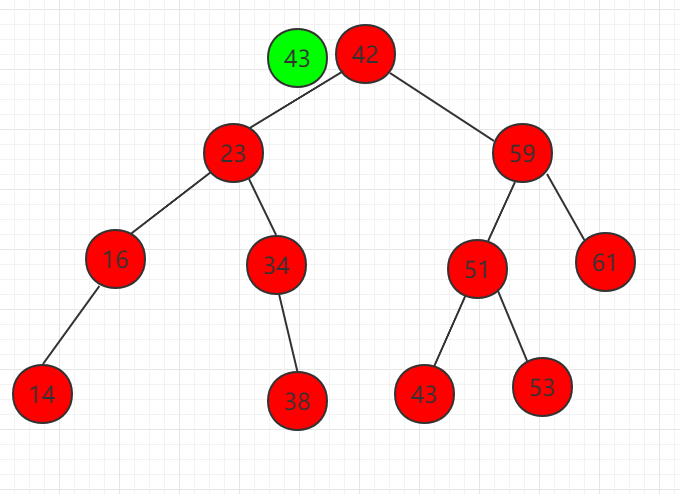
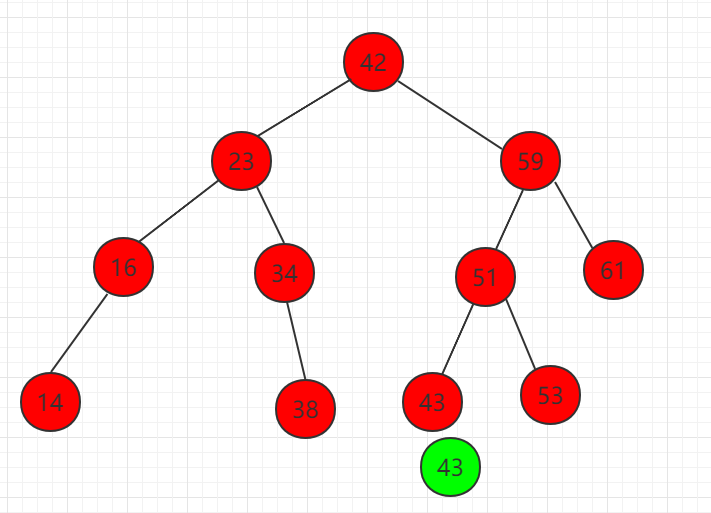
以下实例在二分搜索树中寻找 43 元素

(1) 元素 43 比根节点 42 大,需要在右子节点继续比较。
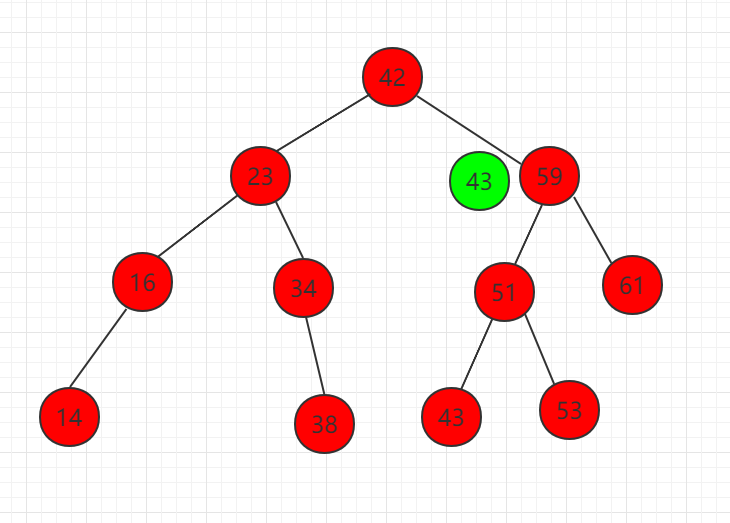
(2) 元素 43 比 59 小,需要在左子节点继续比较。
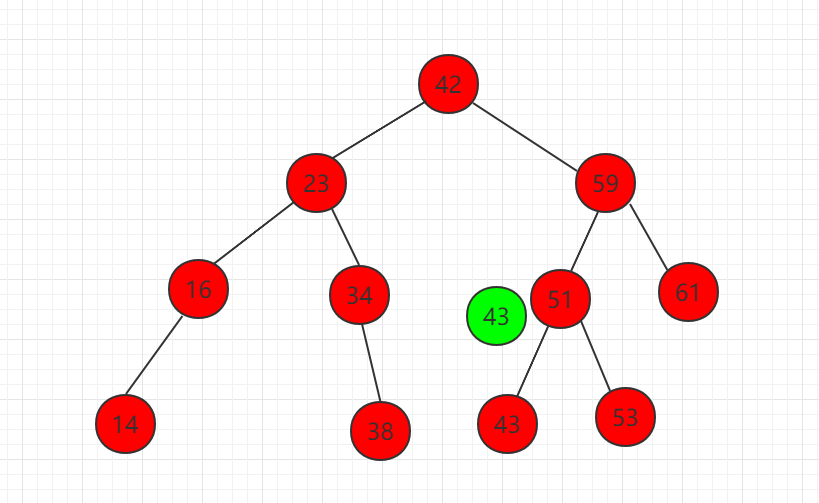
(3) 元素 43 比 51 小,需要在左子节点继续比较。

(4) 查找 51 的左子节点 43,正好和相等,结束。

如果需要查找 key 对应的 value,代码如下所示:

...
// 在以node为根的二分搜索树中查找key所对应的value, 递归算法
// 若value不存在, 则返回NULL
private Value search(Node node, Key key){

    if( node == null )
        return null;

    if( key.compareTo(node.key) == 0 )
        return node.value;
    else if( key.compareTo(node.key) < 0 )
        return search( node.left , key );
    else // key > node->key
        return search( node.right, key );
}
...

Java 实例代码

源码包下载:Download

src/runoob/binary/BinarySearchTreeSearch.java 文件代码:

package runoob.binary;

/**
 * 二分搜索树查找
 */

public class BinarySearchTreeSearch<Key extends Comparable<Key>, Value> {
    // 树中的节点为私有的类, 外界不需要了解二分搜索树节点的具体实现
    private class Node {
        private Key key;
        private Value value;
        private Node left, right;

        public Node(Key key, Value value) {
            this.key = key;
            this.value = value;
            left = right = null;
        }
    }
    // 根节点
    private Node root;
    // 树种的节点个数
    private int count;

    // 构造函数, 默认构造一棵空二分搜索树
    public BinarySearchTreeSearch() {
        root = null;
        count = 0;
    }

    // 返回二分搜索树的节点个数
    public int size() {
        return count;
    }

    // 返回二分搜索树是否为空
    public boolean isEmpty() {
        return count == 0;
    }

    // 向二分搜索树中插入一个新的(key, value)数据对
    public void insert(Key key, Value value){
        root = insert(root, key, value);
    }

    // 查看二分搜索树中是否存在键key
    public boolean contain(Key key){
        return contain(root, key);
    }

    // 在二分搜索树中搜索键key所对应的值。如果这个值不存在, 则返回null
    public Value search(Key key){
        return search( root , key );
    }


    //********************
    //* 二分搜索树的辅助函数
    //********************

    // 向以node为根的二分搜索树中, 插入节点(key, value), 使用递归算法
    // 返回插入新节点后的二分搜索树的根
    private Node insert(Node node, Key key, Value value){

        if( node == null ){
            count ++;
            return new Node(key, value);
        }

        if( key.compareTo(node.key) == 0 )
            node.value = value;
        else if( key.compareTo(node.key) < 0 )
            node.left = insert( node.left , key, value);
        else    // key > node->key
            node.right = insert( node.right, key, value);

        return node;
    }

    // 查看以node为根的二分搜索树中是否包含键值为key的节点, 使用递归算法
    private boolean contain(Node node, Key key){

        if( node == null )
            return false;

        if( key.compareTo(node.key) == 0 )
            return true;
        else if( key.compareTo(node.key) < 0 )
            return contain( node.left , key );
        else // key > node->key
            return contain( node.right , key );
    }

    // 在以node为根的二分搜索树中查找key所对应的value, 递归算法
    // 若value不存在, 则返回NULL
    private Value search(Node node, Key key){

        if( node == null )
            return null;

        if( key.compareTo(node.key) == 0 )
            return node.value;
        else if( key.compareTo(node.key) < 0 )
            return search( node.left , key );
        else // key > node->key
            return search( node.right, key );
    }
}

有关二分搜索树节点的查找的更多相关文章

  1. ruby - 当使用::指定模块时,为什么 Ruby 不在更高范围内查找类? - 2

    我刚刚被困在这个问题上一段时间了。以这个基地为例:moduleTopclassTestendmoduleFooendend稍后,我可以通过这样做在Foo中定义扩展Test的类:moduleTopmoduleFooclassSomeTest但是,如果我尝试通过使用::指定模块来最小化缩进:moduleTop::FooclassFailure这失败了:NameError:uninitializedconstantTop::Foo::Test这是一个错误,还是仅仅是Ruby解析变量名的方式的逻辑结果? 最佳答案 Isthisabug,or

  2. ruby-on-rails - Nokogiri:使用 XPath 搜索 <div> - 2

    我使用Nokogiri(Rubygem)css搜索寻找某些在我的html里面。看起来Nokogiri的css搜索不喜欢正则表达式。我想切换到Nokogiri的xpath搜索,因为这似乎支持搜索字符串中的正则表达式。如何在xpath搜索中实现下面提到的(伪)css搜索?require'rubygems'require'nokogiri'value=Nokogiri::HTML.parse(ABBlaCD3"HTML_END#my_blockisgivenmy_bl="1"#my_eqcorrespondstothisregexmy_eq="\/[0-9]+\/"#FIXMEThefoll

  3. ruby - 查找字符串中的内容类型(数字、日期、时间、字符串等) - 2

    我正在尝试解析一个CSV文件并使用SQL命令自动为其创建一个表。CSV中的第一行给出了列标题。但我需要推断每个列的类型。Ruby中是否有任何函数可以找到每个字段中内容的类型。例如,CSV行:"12012","Test","1233.22","12:21:22","10/10/2009"应该产生像这样的类型['integer','string','float','time','date']谢谢! 最佳答案 require'time'defto_something(str)if(num=Integer(str)rescueFloat(s

  4. ruby - 如何搜索有用的 ruby - 2

    寻找有用的ruby的好网站是什么? 最佳答案 AgileWebDevelopment列出插件(虽然不是ruby​​gems,我不确定为什么),并允许人们对它们进行评级。RubyToolbox按类别列出gem并比较它们的受欢迎程度。Rubygems有一个搜索框。StackOverflow对最有用的rails插件和ruby​​gems有疑问。 关于ruby-如何搜索有用的ruby,我们在StackOverflow上找到一个类似的问题: https://stacko

  5. ruby-on-rails - 在 Rails 中更高效地查找或创建多条记录 - 2

    我有一个应用需要发送用户事件邀请。当用户邀请friend(用户)参加事件时,如果尚不存在将用户连接到该事件的新记录,则会创建该记录。我的模型由用户、事件和events_user组成。classEventdefinvite(user_id,*args)user_id.eachdo|u|e=EventsUser.find_or_create_by_event_id_and_user_id(self.id,u)e.save!endendend用法Event.first.invite([1,2,3])我不认为以上是完成我的任务的最有效方法。我设想了一种方法,例如Model.find_or_cr

  6. ruby - 如何搜索、递增和替换 Ruby 字符串中的整数子字符串? - 2

    我有很多这样的文档:foo_1foo_2foo_3bar_1foo_4...我想通过获取foo_[X]的所有实例并将它们中的每一个替换为foo_[X+1]来转换它们。在这个例子中:foo_2foo_3foo_4bar_1foo_5...我可以用gsub和一个block来做到这一点吗?如果不是,最干净的方法是什么?我真的在寻找一个优雅的解决方案,因为我总是可以暴力破解它,但我觉得有一些正则表达式技巧值得学习。 最佳答案 我(完全)不懂Ruby,但类似这样的东西应该可以工作:"foo_1foo_2".gsub(/(foo_)(\d+)/

  7. ruby - Ruby 中的必应搜索 API - 2

    我读了"BingSearchAPI-QuickStart"但我不知道如何在Ruby中发出这个http请求(Weary)如何在Ruby中翻译“Stream_context_create()”?这是什么意思?"BingSearchAPI-QuickStart"我想使用RubySDK,但我发现那些已被弃用前(Rbing)https://github.com/mikedemers/rbing您知道Bing搜索API的最新包装器(仅限Web的结果)吗? 最佳答案 好吧,经过一个小时的挫折,我想出了一个办法来做到这一点。这段代码很糟糕,因为它是

  8. ruby - 查找重叠的正则表达式匹配项 - 2

    我想找到给定字符串中的所有匹配项,包括重叠匹配项。我怎样才能实现它?#Example"a-b-c-d".???(/\w-\w/)#=>["a-b","b-c","c-d"]expected#Solutionwithoutoverlappedresults"a-b-c-d".scan(/\w-\w/)#=>["a-b","c-d"],but"b-c"ismissing 最佳答案 在积极的前瞻中使用捕获:"a-b-c-d".scan(/(?=(\w-\w))/).flatten#=>["a-b","b-c","c-d"]参见Rubyde

  9. Ruby#index 方法 VS 二进制搜索 - 2

    给定一个元素和一个数组,Ruby#index方法返回元素在数组中的位置。我使用二进制搜索实现了我自己的索引方法,期望我的方法会优于内置方法。令我惊讶的是,内置的在实验中的运行速度大约是我的三倍。有Rubyist知道原因吗? 最佳答案 内置#indexisnotabinarysearch,这只是一个简单的迭代搜索。但是,它是用C而不是Ruby实现的,因此自然可以快几个数量级。 关于Ruby#index方法VS二进制搜索,我们在StackOverflow上找到一个类似的问题:

  10. ruby - 在 Ruby 中查找多个正则表达式匹配的模式和位置 - 2

    这应该是一个简单的问题,但我找不到任何相关信息。给定一个Ruby中的正则表达式,对于每个匹配项,我需要检索匹配的模式$1、$2,但我还需要匹配位置。我知道=~运算符为我提供了第一个匹配项的位置,而string.scan(/regex/)为我提供了所有匹配模式。如果可能,我需要在同一步骤中获得两个结果。 最佳答案 MatchDatastring.scan(regex)do$1#Patternatfirstposition$2#Patternatsecondposition$~.offset(1)#Startingandendingpo

随机推荐