什么是委托
C# 中的委托(Delegate)类似于 C 或 C++ 中函数的指针。委托(Delegate) 是存有对某个方法的引用的一种引用类型变量。引用可在运行时被改变。
声明委托
委托声明决定了可由该委托引用的方法。委托可指向一个与其具有相同标签的方法。
语法
修饰符 delegate 返回值类型 委托名 ( 参数列表 );
delegate void IntMethodInvoker(intx);
定义了一个委托叫做 IntMethodInvoker ,这个委托可以指向带有一个int类型的参数,并且返回值是void的一个方法。
定义一个委托要定义方法的参数和返回值,使用delegate定义
delegate void FirstInvoke(int x);
实例化委托
在定义好委托后就可以实例化委托,命名方法委托在实例化委托时必须带入方法的具体名称或者是null。
委托名 委托对象名 = new 委托名 ( 方法名 );
        delegate void FirstInvoke(int x);

        static void Main(string[] args)
        {
            FirstInvoke firstInvoke = new FirstInvoke(PutOutX);
        }

        public static void PutOutX(int x)
        {
            Console.WriteLine(x);
        }
委托的实现方法
    delegate void FirstInvoke(int x);
        delegate string Str();

        static void Main(string[] args)
        {
            FirstInvoke firstInvoke = new FirstInvoke(PutOutX);
            firstInvoke(3);

            Str str = 872.ToString;
            Console.WriteLine(str());
        }

        public static void PutOutX(int x)
        {
            Console.WriteLine(x);
        }
委托数组
委托名[] 委托对象名 = {委托的方法1,......};
FuncArray[] funcArray = { DoubleValue, AreaValue };
委托做完函数的参数
访问类型 static 返回类型 方法名(委托类型 委托参数,参数.....)
public static void FuncAry(FuncArray func, int value) public delegate int FuncArray(int x);
public static void Test2()
{
//委托数组
FuncArray[] funcArray = { DoubleValue, AreaValue };
foreach(FuncArray func in funcArray)
{
FuncAry(func, 3);
}
}
public static int DoubleValue(int x)
{
return x * 2;
}
public static int AreaValue(int x)
{
return x * x;
}
/// <summary>
/// 委托可以作为参数使用
/// </summary>
/// <param name="func">委托</param>
/// <param name="value">传入的值</param>
public static void FuncAry(FuncArray func, int value)
{
Console.WriteLine("这是方法" + func + "值是" + func(value));
}
Action
Action是.NET Framework内置的泛型委托,可以使用Action委托以参数形式传递方法,而不用显示声明自定义的委托。封装的方法必须与此委托定义的方法签名相对应。也就是说,封装的方法必须具有一个通过值传递给它的参数,并且不能有返回值。
Action<参数类型> 委托对象名 = 方法名
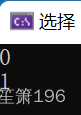
Action<int> action2 = Func2; public static void Test3()
{
Action action1 = Func1;
action1();
Action<int> action2 = Func2;
action2(1);
}
public static void Func1()
{
Console.WriteLine("0");
}
public static void Func2(int value)
{
Console.WriteLine(value);
} 
Func
参数最后一位就是返回值类型(返回值的类型和Func输出参数类型相同)
Func<参数,返回类型> 委托对象名 = 方法名
Func<int, int> func2 = Func4; Func<int> func1 = Func3;
Console.WriteLine(func1());
Func<int, int> func2 = Func4;
Console.WriteLine(func2(1));
public static int Func3()
{
return 0;
}
public static int Func4(int value)
{
return value;
}委托实现实例的排序
        public static void Test4()
        {
            Employee[] employees =
            {
                new Employee("A",8),
                new Employee("B",3),
                new Employee("C",1),
                new Employee("D",4),
                new Employee("E",1),
                new Employee("F",7),
                new Employee("G",2),
            };

            Sort<Employee>(employees, Employee.Compare);

            foreach(Employee e in employees)
            {
                Console.WriteLine(e.Name + ":" + e.Salary);
            }
        }


        /// <summary>
        /// 对雇员类按照制定排序方法排序
        /// </summary>
        /// <typeparam name="T">排序数据的类型</typeparam>
        /// <param name="data">排序的对象</param>
        /// <param name="compare">排序的方法</param>
        public static void Sort<T>(T[] data,Func<T,T,bool> compare)
        {
            bool swapped = true;

            do
            {
                swapped = false;

                for (int i = 0; i < data.Length - 1; i++)
                {
                    if (compare(data[i], data[i + 1]))
                    {
                        T temp = data[i];
                        data[i] = data[i + 1];
                        data[i + 1] = temp;
                        swapped = true;
                    }
                }
            } while (swapped );
        }
    }


    internal class Employee
    {
        public string Name { get; private set; }
        public double Salary { get; private set; }

        public Employee(string name, double salary)
        {
            Name = name;
            Salary = salary;
        }

        //雇员的比较方法
        public static bool Compare(Employee e1,Employee e2)
        {
            return e1.Salary > e2.Salary;
        }
    }
多播委托
委托可以包含多个方法,这种委托叫做多播委托。使用多播委托就可以按照顺序调用多个方法,多播委托只能得到调用的最后一个方法的结果,一般我们把多播委托的返回类型声明为void。
Action action1 = Test1;
action2 += Test2;
action2 -= Test1
//获取委托列表
Delegate[] delegate = action1.GetInvocationList();
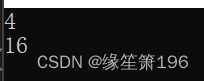
        public static void Test5()
        {
            FirstInvoke firstInvoke = null;
            firstInvoke += PutOutX;
            firstInvoke += DoubleValue;

            firstInvoke(4);
} 
匿名方法
不用去定义一个方法,而是在后面直接使用匿名的方法。相当于直接把要引用的方法直接写在了后面,优点是减少了要编写的代码,减少代码的复杂性。
Func<T> 委托对象名 = delegate(方法参数){
方法体
};
        public static void Test6()
        {
            Func<int, int, int> plue = delegate (int a, int b)
              {
                  return a + b;
              };

            int res = plue(1, 2);

            Console.WriteLine(res);
        }
事件
事件(Event)是类或者对象向其他类或对象通知发送的事情的一种特殊签名的委托
事件的声明
public event 委托类型 事件名;
事件使用event关键词来声明,他的返回值是一个委托类型
通常事件的命名,以名字+Event 作为他的名称,在编码中尽量使用规范命名,增加代码可读性。
工具人类
using System;
using System.Collections.Generic;
using System.Text;

namespace _03_事件
{

    //定义委托,可以让其他构造函数调用
    delegate void DownStairDelegate();

    /// <summary>
    /// 工具人类
    /// </summary>
    class ToolMan
    {
        public string Name { get;private set; }

        //声明委托,event可以让外部无法直接访问这个委托
        public event  DownStairDelegate DownStairDelegate = null;

        public ToolMan(string name)
        {
            Name = name;
        }

        public void DownStair()
        {
            Console.WriteLine("工具人" + Name + "下楼了");

            //在调用委托之前先检测委托是否为空
            if (DownStairDelegate != null)
                DownStairDelegate();
        }
    }
}
懒人类
using System;
using System.Collections.Generic;
using System.Text;

namespace _03_事件
{
    /// <summary>
    /// 懒人的构造函数
    /// </summary>
    class LazyMan
    {
        public string Name { get;private set; }

        public LazyMan(string name)
        {
            Name = name;
        }

        public void TakeFood()
        {
            Console.WriteLine("给" + Name + "拿了外卖");
        }

        public void TakePackage()
        {
            Console.WriteLine("给" + Name+"拿了快递");
        }
    }
}
主方法
using System;

namespace _03_事件
{
    class Program
    {
        static void Main(string[] args)
        {
            ToolMan toolMan = new ToolMan("A");

            LazyMan lazyMan1 = new LazyMan("B");
            LazyMan lazyMan2 = new LazyMan("C");
            LazyMan lazyMan3 = new LazyMan("D");

            toolMan.DownStair();

            toolMan.DownStairDelegate += lazyMan1.TakeFood;
            toolMan.DownStairDelegate += lazyMan2.TakePackage;
            toolMan.DownStairDelegate += lazyMan3.TakeFood;

            toolMan.DownStair();

            toolMan.DownStairDelegate -= lazyMan1.TakeFood;
            toolMan.DownStairDelegate -= lazyMan2.TakePackage;

            toolMan.DownStair();

            //toolMan.DownStairDelegate();
        }
    }
}
如何在ruby中调用C#dll? 最佳答案 我能想到几种可能性:为您的DLL编写(或找人编写)一个COM包装器,如果它还没有,则使用Ruby的WIN32OLE库来调用它;看看RubyCLR,其中一位作者是JohnLam,他继续在Microsoft从事IronRuby方面的工作。(估计不会再维护了,可能不支持.Net2.0以上的版本);正如其他地方已经提到的,看看使用IronRuby,如果这是您的技术选择。有一个主题是here.请注意,最后一篇文章实际上来自JohnLam(看起来像是2009年3月),他似乎很自在地断言RubyCL
我正在尝试在Ruby中复制Convert.ToBase64String()行为。这是我的C#代码:varsha1=newSHA1CryptoServiceProvider();varpasswordBytes=Encoding.UTF8.GetBytes("password");varpasswordHash=sha1.ComputeHash(passwordBytes);returnConvert.ToBase64String(passwordHash);//returns"W6ph5Mm5Pz8GgiULbPgzG37mj9g="当我在Ruby中尝试同样的事情时,我得到了相同sha
C#实现简易绘图工具一.引言实验目的:通过制作窗体应用程序(C#画图软件),熟悉基本的窗体设计过程以及控件设计,事件处理等,熟悉使用C#的winform窗体进行绘图的基本步骤,对于面向对象编程有更加深刻的体会.Tutorial任务设计一个具有基本功能的画图软件**·包括简单的新建文件,保存,重新绘图等功能**·实现一些基本图形的绘制,包括铅笔和基本形状等,学习橡皮工具的创建**·设计一个合理舒适的UI界面**注明:你可能需要先了解一些关于winform窗体应用程序绘图的基本知识,以及关于GDI+类和结构的知识二.实验环境Windows系统下的visualstudio2017C#窗体应用程序三.
我有以下类(class):classAlphabetattr_reader:letter_freqs,:statistic_letterdefinitialize(lang)@lang=langcaselangwhen:en@alphabet=('A'..'Z').to_a@letter_freqs={...}when:ru@alphabet=('А'..'Я').to_a.insert(6,'Ё')@letter_freqs={...}...end@statistic_letter=@letter_freqs.max_by{|k,v|v}[0]endendfoo=Alphabet.n
我如何做Ruby方法"Flatten"RubyMethod在C#中。此方法将锯齿状数组展平为一维数组。例如:s=[1,2,3]#=>[1,2,3]t=[4,5,6,[7,8]]#=>[4,5,6,[7,8]]a=[s,t,9,10]#=>[[1,2,3],[4,5,6,[7,8]],9,10]a.flatten#=>[1,2,3,4,5,6,7,8,9,10 最佳答案 递归解决方案:IEnumerableFlatten(IEnumerablearray){foreach(variteminarray){if(itemisIEnume
我最近从C#转向了Ruby,我发现自己无法制作可折叠的标记代码区域。我只是想到做这种事情应该没问题:classExamplebegin#agroupofmethodsdefmethod1..enddefmethod2..endenddefmethod3..endend...但是这样做真的可以吗?method1和method2最终与method3是同一种东西吗?还是有一些我还没有见过的用于执行此操作的Ruby惯用语? 最佳答案 正如其他人所说,这不会改变方法定义。但是,如果要标记方法组,为什么不使用Ruby语义来标记它们呢?您可以使用
什么是Linq聚合方法的ruby等价物。它的工作原理是这样的varfactorial=new[]{1,2,3,4,5}.Aggregate((acc,i)=>acc*i);每次将数组序列中的值传递给lambda时,变量acc都会累积。 最佳答案 这在数学以及几乎所有编程语言中通常称为折叠。它是更普遍的变形概念的一个实例。Ruby从Smalltalk中继承了这个特性的名称,它被称为inject:into:(像aCollectioninject:aStartValueinto:aBlock一样使用。)所以,在Ruby中,它称为inj
关闭。这个问题是opinion-based.它目前不接受答案。想要改进这个问题?更新问题,以便editingthispost可以用事实和引用来回答它.关闭8年前。Improvethisquestion几年前我去学校学习编程,毕业后我找到了一份系统管理方面的工作,这就是我职业生涯的方向。我想重新开始某种开发,并且一直在“玩”C#和ASP.NET,但我已经听到很多关于其他"new"语言的讨论(新的意思是它们是新的)我)喜欢Ruby和F#。我想我想知道我是否在浪费时间学习主要的MS语言,而不是成为一名通才。很长一段时间没有离开开发社区(如果我曾经离开过的话)让我在潮流中挣扎,我不想落在时代的
我有一个简单的Ruby脚本,我用它在某些HTTPheader上执行private_encrypt以签署要发送到rubyRESTAPI的Web请求,该API会根据Base64编码字符串测试Base64编码字符串生成而不是解码Base64和解密数据然后测试原始字符串。我使用的脚本是require"openssl"require"base64"path_to_cert=ARGV[0].dupplain_text=Base64.decode64(ARGV[1].dup)private_key=OpenSSL::PKey::RSA.new(File.read(path_to_cert))pu
我是ruby开发的新手,我目前正在使用rails2.3.11在ruby1.8.7中开发一个项目,我想知道这种语言是否有与C#的linq等效的集合操作,例如where子句。谢谢。 最佳答案 Ruby中Linq的where等价于find_all检查documentationfortheEnumerableModule用于其他功能。 关于C#的LINQ用于在ruby中等效的集合操作,我们在StackOverflow上找到一个类似的问题: https://
