某天,产品经理给了这么一个需求技术小哥,能不能帮用户添加一个搜索栏,查询包含某个关键字的所有类目。技术小哥稍微想了一下,目前跟类目相关的表有两个,一个是content_category类目表,一个是content_system内容系统表。而用户要查找的关键字是存在content_system表里面,这样一来需要连表查询一下。难度好像不大,也就爽快地答应了。
技术小哥再仔细分析了一下两个表的结构:
CREATE TABLE `content_category` (
  `category_id` int(10) unsigned NOT NULL AUTO_INCREMENT COMMENT '类目编号Id',
  `pid` int(10) unsigned DEFAULT NULL COMMENT '上级编号id',
  `level` tinyint(4) NOT NULL COMMENT '层级',
  `name` varchar(20) NOT NULL COMMENT '名称',
  `description` varchar(200) DEFAULT NULL COMMENT '描述',
  `icon` varchar(50) DEFAULT NULL COMMENT '图标',
  `type` tinyint(3) NOT NULL DEFAULT '1' COMMENT '类型(1:普通,2:热门...)',
  `alias` varchar(20) DEFAULT NULL COMMENT '别名',
  `system_id` int(11) DEFAULT NULL COMMENT '系统编号id',
  `ctime` bigint(20) unsigned NOT NULL COMMENT '创建时间',
  `orders` bigint(255) unsigned NOT NULL COMMENT '排序',
  `attention` bigint(20) unsigned NOT NULL COMMENT '关注度',
  PRIMARY KEY (`category_id`),
  KEY `content_category_orders` (`orders`),
  KEY `content_category_pid` (`pid`),
  KEY `content_category_alias` (`alias`),
  KEY `content_category_level` (`level`)
) ENGINE=InnoDB AUTO_INCREMENT=1 DEFAULT CHARSET=utf8mb4 COMMENT='内容类目表';
CREATE TABLE `content_system` (
  `system_id` int(10) unsigned NOT NULL AUTO_INCREMENT COMMENT '系统编号id',
  `name` varchar(20) NOT NULL COMMENT '系统名称',
  `code` varchar(20) DEFAULT NULL COMMENT '别名',
  `description` varchar(300) DEFAULT NULL COMMENT '描述',
  `ctime` bigint(20) DEFAULT NULL COMMENT '创建时间',
  `orders` bigint(20) DEFAULT NULL COMMENT '排序',
  PRIMARY KEY (`system_id`)
) ENGINE=InnoDB AUTO_INCREMENT=1 DEFAULT CHARSET=utf8mb4 COMMENT='内容系统表';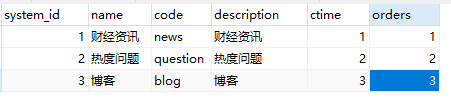
不难看出,两个表都有system_id作为关联,当用户输入一个关键字,例如 code = "news" 时候,系统需要自动搜索出 system_id = 1 的所有类目信息。
于是技术小哥开始了他的工作,首先是定义Mapper.xml
<?xml version="1.0" encoding="UTF-8"?>
<!DOCTYPE mapper PUBLIC "-//mybatis.org//DTD Mapper 3.0//EN" "http://mybatis.org/dtd/mybatis-3-mapper.dtd">
<mapper namespace="com.thomson.content.rpc.mapper.ContentCategoryExtMapper">
    <!-- 定义基础类型 -->
    <resultMap id="BaseResultMap" type="com.thomson.content.dao.model.ContentCategory">
        <!-- 实体类的字段名和数据表的字段名映射 -->
        <id column="category_id" jdbcType="INTEGER" property="categoryId" />
        <result column="pid" jdbcType="INTEGER" property="pid" />
        <result column="level" jdbcType="TINYINT" property="level" />
        <result column="name" jdbcType="VARCHAR" property="name" />
        <result column="description" jdbcType="VARCHAR" property="description" />
        <result column="icon" jdbcType="VARCHAR" property="icon" />
        <result column="type" jdbcType="TINYINT" property="type" />
        <result column="alias" jdbcType="VARCHAR" property="alias" />
        <result column="system_id" jdbcType="INTEGER" property="systemId" />
        <result column="ctime" jdbcType="BIGINT" property="ctime" />
        <result column="orders" jdbcType="BIGINT" property="orders" />
        <result column="attention" jdbcType="BIGINT" property="attention" />
    </resultMap>
    <!--继承基础类型BaseResultMap, association 一对一关联查询 -->
    <resultMap extends="BaseResultMap" id="ClassesResultMap" type="com.thomson.content.dao.model.ContentCategory">
    </resultMap>

    <!-- 这一步是关键的连表查询 -->
    <select id="selectContentCategoryByCode" parameterType="map" resultMap="ClassesResultMap">
        select content_c.* from content_category content_c left join content_system content_s on content_s.code=content_s.code=#{code,jdbcType=VARCHAR}
         where content_s.system_id=content_c.system_id
    </select>

    <!-- 缓存 -->
    <cache type="org.mybatis.caches.ehcache.LoggingEhcache" />

</mapper>
然后是Mapper接口
package com.thomson.content.rpc.mapper;

import com.thomson.content.dao.model.ContentCategory;
import org.apache.ibatis.annotations.Param;

import java.util.List;

/**
 * 类目ExtMapper
 * Created by Thomson on 2022/01/10.
 * 根据content_system 的 code 获取类目
 */
public interface ContentCategoryExtMapper {

    int up(String code);

    int down(String code);


    List<ContentCategory> selectContentCategoryByCode(@Param("code") String code);

}
接下来是实现类
import com.thomson.Content.dao.model.ContentArticle;
import com.thomson.Content.rpc.mapper.ContentCategoryExtMapper;
import com.thomson.common.annotation.BaseService;
import com.thomson.common.base.BaseServiceImpl;
import com.thomson.Content.dao.mapper.ContentCategoryMapper;
import com.thomson.Content.dao.model.ContentCategory;
import com.thomson.Content.dao.model.ContentCategoryExample;
import com.thomson.Content.rpc.api.ContentCategoryService;
import org.slf4j.Logger;
import org.slf4j.LoggerFactory;
import org.springframework.beans.factory.annotation.Autowired;
import org.springframework.stereotype.Service;
import org.springframework.transaction.annotation.Transactional;

import java.util.List;

/**
* ContentCategoryService实现
* Created by Thomson on 2021/01/10.
*/
@Service
@Transactional
@BaseService
public class ContentCategoryServiceImpl extends BaseServiceImpl<ContentCategoryMapper, ContentCategory, ContentCategoryExample> implements ContentCategoryService  {

    private static final Logger LOGGER = LoggerFactory.getLogger(ContentCategoryServiceImpl.class);

    @Autowired
    ContentCategoryExtMapper ContentCategoryExtMapper;

    // @Override
    public List<ContentCategory> selectContentCategoryByCode(String code) {
        return ContentCategoryExtMapper.selectContentCategoryByCode(code);
    }

}
在controll下获取数据
    @ApiOperation(value = "类目列表")
    @RequiresPermissions("content:category:read")
    @RequestMapping(value = "/list", method = RequestMethod.GET)
    @ResponseBody
    public Object list(
            @RequestParam(required = false, defaultValue = "0", value = "offset") int offset,
            @RequestParam(required = false, defaultValue = "10", value = "limit") int limit,
            @RequestParam(required = false, value = "sort") String sort,
            @RequestParam(required = false, value = "order") String order) {
至此,技术小哥获取到了自己想要的数据。顺利完成了产品经理给的任务。
我正在学习如何使用Nokogiri,根据这段代码我遇到了一些问题:require'rubygems'require'mechanize'post_agent=WWW::Mechanize.newpost_page=post_agent.get('http://www.vbulletin.org/forum/showthread.php?t=230708')puts"\nabsolutepathwithtbodygivesnil"putspost_page.parser.xpath('/html/body/div/div/div/div/div/table/tbody/tr/td/div
总的来说,我对ruby还比较陌生,我正在为我正在创建的对象编写一些rspec测试用例。许多测试用例都非常基础,我只是想确保正确填充和返回值。我想知道是否有办法使用循环结构来执行此操作。不必为我要测试的每个方法都设置一个assertEquals。例如:describeitem,"TestingtheItem"doit"willhaveanullvaluetostart"doitem=Item.new#HereIcoulddotheitem.name.shouldbe_nil#thenIcoulddoitem.category.shouldbe_nilendend但我想要一些方法来使用
我有一个Ruby程序,它使用rubyzip压缩XML文件的目录树。gem。我的问题是文件开始变得很重,我想提高压缩级别,因为压缩时间不是问题。我在rubyzipdocumentation中找不到一种为创建的ZIP文件指定压缩级别的方法。有人知道如何更改此设置吗?是否有另一个允许指定压缩级别的Ruby库? 最佳答案 这是我通过查看rubyzip内部创建的代码。level=Zlib::BEST_COMPRESSIONZip::ZipOutputStream.open(zip_file)do|zip|Dir.glob("**/*")d
类classAprivatedeffooputs:fooendpublicdefbarputs:barendprivatedefzimputs:zimendprotecteddefdibputs:dibendendA的实例a=A.new测试a.foorescueputs:faila.barrescueputs:faila.zimrescueputs:faila.dibrescueputs:faila.gazrescueputs:fail测试输出failbarfailfailfail.发送测试[:foo,:bar,:zim,:dib,:gaz].each{|m|a.send(m)resc
很好奇,就使用rubyonrails自动化单元测试而言,你们正在做什么?您是否创建了一个脚本来在cron中运行rake作业并将结果邮寄给您?git中的预提交Hook?只是手动调用?我完全理解测试,但想知道在错误发生之前捕获错误的最佳实践是什么。让我们理所当然地认为测试本身是完美无缺的,并且可以正常工作。下一步是什么以确保他们在正确的时间将可能有害的结果传达给您? 最佳答案 不确定您到底想听什么,但是有几个级别的自动代码库控制:在处理某项功能时,您可以使用类似autotest的内容获得关于哪些有效,哪些无效的即时反馈。要确保您的提
假设我做了一个模块如下:m=Module.newdoclassCendend三个问题:除了对m的引用之外,还有什么方法可以访问C和m中的其他内容?我可以在创建匿名模块后为其命名吗(就像我输入“module...”一样)?如何在使用完匿名模块后将其删除,使其定义的常量不再存在? 最佳答案 三个答案:是的,使用ObjectSpace.此代码使c引用你的类(class)C不引用m:c=nilObjectSpace.each_object{|obj|c=objif(Class===objandobj.name=~/::C$/)}当然这取决于
我正在尝试使用ruby和Savon来使用网络服务。测试服务为http://www.webservicex.net/WS/WSDetails.aspx?WSID=9&CATID=2require'rubygems'require'savon'client=Savon::Client.new"http://www.webservicex.net/stockquote.asmx?WSDL"client.get_quotedo|soap|soap.body={:symbol=>"AAPL"}end返回SOAP异常。检查soap信封,在我看来soap请求没有正确的命名空间。任何人都可以建议我
关闭。这个问题是opinion-based.它目前不接受答案。想要改进这个问题?更新问题,以便editingthispost可以用事实和引用来回答它.关闭4年前。Improvethisquestion我想在固定时间创建一系列低音和高音调的哔哔声。例如:在150毫秒时发出高音调的蜂鸣声在151毫秒时发出低音调的蜂鸣声200毫秒时发出低音调的蜂鸣声250毫秒的高音调蜂鸣声有没有办法在Ruby或Python中做到这一点?我真的不在乎输出编码是什么(.wav、.mp3、.ogg等等),但我确实想创建一个输出文件。
给定这段代码defcreate@upgrades=User.update_all(["role=?","upgraded"],:id=>params[:upgrade])redirect_toadmin_upgrades_path,:notice=>"Successfullyupgradeduser."end我如何在该操作中实际验证它们是否已保存或未重定向到适当的页面和消息? 最佳答案 在Rails3中,update_all不返回任何有意义的信息,除了已更新的记录数(这可能取决于您的DBMS是否返回该信息)。http://ar.ru
我在我的项目目录中完成了compasscreate.和compassinitrails。几个问题:我已将我的.sass文件放在public/stylesheets中。这是放置它们的正确位置吗?当我运行compasswatch时,它不会自动编译这些.sass文件。我必须手动指定文件:compasswatchpublic/stylesheets/myfile.sass等。如何让它自动运行?文件ie.css、print.css和screen.css已放在stylesheets/compiled。如何在编译后不让它们重新出现的情况下删除它们?我自己编译的.sass文件编译成compiled/t
