满二叉树

非完全二叉树,非满二叉树
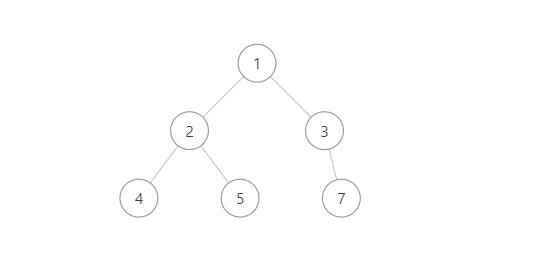
完全二叉树
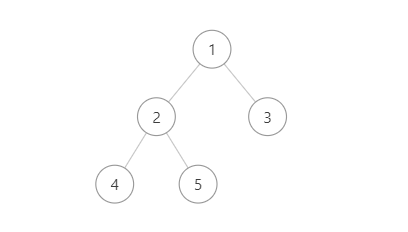
叶子结点只能出现在最下层和次下层,且最下层的叶子结点集中在树的左部。
比较推荐使用数组存储,本文也将基于数组存储介绍大顶堆的实现。
假设完全二叉树的 节点 A 存储在数组中的下标为 i
则:
节点 A 的父节点存储在数组中的下标为 (i - 1) / 2节点 A 的左子节点存储在数组中的下标为 2 * i + 1节点 A 的右子节点存储在数组中的下标为 2 * i + 2
堆是一种特殊的数据结构,是高效的优先级队列,堆通常可以被看做一棵完全二叉树。
根据堆的特点,可以把堆分为两类:
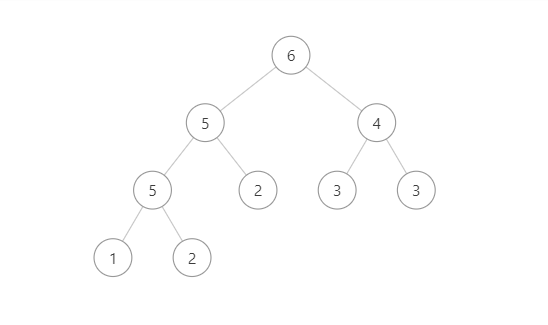
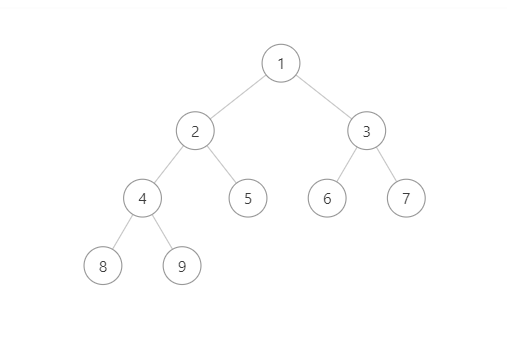
往堆中插入数据,可能会破坏大顶堆(小顶堆)的性质,需要对堆进行调整。
堆的插入流程如下:
/**
 * 添加元素
 * @param value 待添加元素
 */
public void offer(int value){
  if(this.currentLength >= this.capacity){    // 数组已耗尽,扩增数组为原来的两倍
    this.grow();
  }
  int cur = this.currentLength++;             // 获得待添加元素的添加位置
  if(cur == 0){                               // 当前堆为空直接添加
    this.tree[cur] = value;
  }else{                                      // 当前堆不为空,添加之后要向上调整
    this.tree[cur] = value;                   // 步骤 1
    int p = cur;
    int parent = this.getParentIndex(p);
    while(this.tree[parent] < this.tree[p]){  // 步骤 2
      this.swap(parent, p);
      p = parent;
      parent = this.getParentIndex(p);
    }
  }
}
往堆中插入数据的时间复杂度为 O(logN)
构建一个大小为 N 的堆,其实就是执行 N 次插入。
所以构建一个大小为 N 的堆,其时间复杂度为 O(NlogN)
堆的删除也可能会破坏大顶堆(小顶堆)的性质,需要对堆进行调整。
堆的删除流程如下:
/**
 * 取出最大元素
 * @return 最大元素
 */
public int poll(){
    if(isEmpty()){
        throw new RuntimeException("堆为空,无法取出更多元素!");
    }
    int cur = --this.currentLength;         // 获得当前堆尾
    int result = this.tree[0];              // 取出最大元素 步骤1
    this.tree[0] = this.tree[cur];          // 将堆尾移到堆头 步骤2
    if(cur != 0){                           // 如果取出的不是最后一个元素,需要向下调整堆 步骤3
        int p = 0;
        int left = getLeftIndex(p);
        int right = getRightIndex(p);
        // 由于是数组实现,数组元素无法擦除,需要通过边界进行判断堆的范围
        // 当前节点和左节点在堆的范围内,
        while(p < this.currentLength &&
                0 <= left && left < this.currentLength &&
                (this.tree[left] > this.tree[p] || this.tree[right] > this.tree[p])){
            if(right >= this.currentLength){    // 当前节点没有右节点
                if(this.tree[left] > this.tree[p] ){        // 左节点大于当前节点
                    swap(p, left);
                    p = left;
                }
            }else{                                          // 两个节点都在堆范围
                if(this.tree[left] > this.tree[right]){     // 用大的节点替换
                    swap(p, left);
                    p = left;
                }else{
                    swap(p, right);
                    p = right;
                }
            }
            left = getLeftIndex(p);
            right = getRightIndex(p);
        }
    }
    return result;
}
堆的删除元素时间复杂度为 O(logN)
// 大顶堆
public class Heap {
    private int[] tree;         // 数组实现的完全二叉树
    private int capacity;       // 容量
    private int currentLength;  // 当前数组已使用长度

    /**
     * 构造函数
     * @param capacity 初始容量
     */
    public Heap(int capacity) {
        this.tree = new int[capacity];
        this.capacity = capacity;
        this.currentLength = 0;
    }

    /**
     * 添加元素
     * @param value 待添加元素
     */
    public void offer(int value){
        if(this.currentLength >= this.capacity){    // 数组已耗尽,扩增数组为原来的两倍
            this.grow();
        }
        int cur = this.currentLength++;             // 获得待添加元素的添加位置
        if(cur == 0){                               // 当前堆为空直接添加
            this.tree[cur] = value;
        }else{                                      // 当前堆不为空,添加之后要向上调整
            this.tree[cur] = value;                 // 步骤 1
            int p = cur;
            int parent = this.getParentIndex(p);
            while(this.tree[parent] < this.tree[p]){    // 步骤 2
                this.swap(parent, p);
                p = parent;
                parent = this.getParentIndex(p);
            }
        }
    }

    /**
     * 取出最大元素
     * @return 最大元素
     */
    public int poll(){
        if(isEmpty()){
            throw new RuntimeException("堆为空,无法取出更多元素!");
        }
        int cur = --this.currentLength;         // 获得当前堆尾
        int result = this.tree[0];              // 取出最大元素 步骤1
        this.tree[0] = this.tree[cur];          // 将堆尾移到堆头 步骤2
        if(cur != 0){                           // 如果取出的不是最后一个元素,需要向下调整堆 步骤3
            int p = 0;
            int left = getLeftIndex(p);
            int right = getRightIndex(p);
            // 由于是数组实现,数组元素无法擦除,需要通过边界进行判断堆的范围
            // 当前节点和左节点在堆的范围内,
            while(p < this.currentLength &&
                    0 <= left && left < this.currentLength &&
                    (this.tree[left] > this.tree[p] || this.tree[right] > this.tree[p])){
                if(right >= this.currentLength){    // 当前节点没有右节点
                    if(this.tree[left] > this.tree[p] ){        // 左节点大于当前节点
                        swap(p, left);
                        p = left;
                    }
                }else{                                          // 两个节点都在堆范围
                    if(this.tree[left] > this.tree[right]){     // 用大的节点替换
                        swap(p, left);
                        p = left;
                    }else{
                        swap(p, right);
                        p = right;
                    }
                }
                left = getLeftIndex(p);
                right = getRightIndex(p);
            }
        }
        return result;
    }

    public boolean isEmpty(){
        return this.currentLength <= 0;
    }

    private int getParentIndex(int index){
        return (index - 1) / 2;
    }

    private int getLeftIndex(int index){
        return 2 * index + 1;
    }

    private int getRightIndex(int index){
        return 2 * index + 2;
    }

    private void swap(int left, int right){
        int temp = this.tree[left];
        this.tree[left] = this.tree[right];
        this.tree[right] = temp;
    }

    /**
     * 将数组拓展为原来的两倍
     */
    private void grow(){
        this.tree = Arrays.copyOf(this.tree, 2 * currentLength);
        this.capacity = this.tree.length;
    }
}
我有多个ActiveRecord子类Item的实例数组,我需要根据最早的事件循环打印。在这种情况下,我需要打印付款和维护日期,如下所示:ItemAmaintenancerequiredin5daysItemBpaymentrequiredin6daysItemApaymentrequiredin7daysItemBmaintenancerequiredin8days我目前有两个查询,用于查找maintenance和payment项目(非排他性查询),并输出如下内容:paymentrequiredin...maintenancerequiredin...有什么方法可以改善上述(丑陋的)代
我主要使用Ruby来执行此操作,但到目前为止我的攻击计划如下:使用gemsrdf、rdf-rdfa和rdf-microdata或mida来解析给定任何URI的数据。我认为最好映射到像schema.org这样的统一模式,例如使用这个yaml文件,它试图描述数据词汇表和opengraph到schema.org之间的转换:#SchemaXtoschema.orgconversion#data-vocabularyDV:name:namestreet-address:streetAddressregion:addressRegionlocality:addressLocalityphoto:i
我的代码目前看起来像这样numbers=[1,2,3,4,5]defpop_threepop=[]3.times{pop有没有办法在一行中完成pop_three方法中的内容?我基本上想做类似numbers.slice(0,3)的事情,但要删除切片中的数组项。嗯...嗯,我想我刚刚意识到我可以试试slice! 最佳答案 是numbers.pop(3)或者numbers.shift(3)如果你想要另一边。 关于ruby-多次弹出/移动ruby数组,我们在StackOverflow上找到一
我需要读入一个包含数字列表的文件。此代码读取文件并将其放入二维数组中。现在我需要获取数组中所有数字的平均值,但我需要将数组的内容更改为int。有什么想法可以将to_i方法放在哪里吗?ClassTerraindefinitializefile_name@input=IO.readlines(file_name)#readinfile@size=@input[0].to_i@land=[@size]x=1whilex 最佳答案 只需将数组映射为整数:@land边注如果你想得到一条线的平均值,你可以这样做:values=@input[x]
我打算为ruby脚本创建一个安装程序,但我希望能够确保机器安装了RVM。有没有一种方法可以完全离线安装RVM并且不引人注目(通过不引人注目,就像创建一个可以做所有事情的脚本而不是要求用户向他们的bash_profile或bashrc添加一些东西)我不是要脚本本身,只是一个关于如何走这条路的快速指针(如果可能的话)。我们还研究了这个很有帮助的问题:RVM-isthereawayforsimpleofflineinstall?但有点误导,因为答案只向我们展示了如何离线在RVM中安装ruby。我们需要能够离线安装RVM本身,并查看脚本https://raw.github.com/wayn
我正在使用puppet为ruby程序提供一组常量。我需要提供一组主机名,我的程序将对其进行迭代。在我之前使用的bash脚本中,我只是将它作为一个puppet变量hosts=>"host1,host2"我将其提供给bash脚本作为HOSTS=显然这对ruby不太适用——我需要它的格式hosts=["host1","host2"]自从phosts和putsmy_array.inspect提供输出["host1","host2"]我希望使用其中之一。不幸的是,我终其一生都无法弄清楚如何让它发挥作用。我尝试了以下各项:我发现某处他们指出我需要在函数调用前放置“function_”……这
这个问题在这里已经有了答案:Checktoseeifanarrayisalreadysorted?(8个答案)关闭9年前。我只是想知道是否有办法检查数组是否在增加?这是我的解决方案,但我正在寻找更漂亮的方法:n=-1@arr.flatten.each{|e|returnfalseife
我有一个这样的哈希数组:[{:foo=>2,:date=>Sat,01Sep2014},{:foo2=>2,:date=>Sat,02Sep2014},{:foo3=>3,:date=>Sat,01Sep2014},{:foo4=>4,:date=>Sat,03Sep2014},{:foo5=>5,:date=>Sat,02Sep2014}]如果:date相同,我想合并哈希值。我对上面数组的期望是:[{:foo=>2,:foo3=>3,:date=>Sat,01Sep2014},{:foo2=>2,:foo5=>5:date=>Sat,02Sep2014},{:foo4=>4,:dat
我正在尝试在Ruby中制作一个cli应用程序,它接受一个给定的数组,然后将其显示为一个列表,我可以使用箭头键浏览它。我觉得我已经在Ruby中看到一个库已经这样做了,但我记不起它的名字了。我正在尝试对soundcloud2000中的代码进行逆向工程做类似的事情,但他的代码与SoundcloudAPI的使用紧密耦合。我知道cursesgem,我正在考虑更抽象的东西。广告有没有人见过可以做到这一点的库或一些概念证明的Ruby代码可以做到这一点? 最佳答案 我不知道这是否是您正在寻找的,但也许您可以使用我的想法。由于我没有关于您要完成的工作
我有一个用户工厂。我希望默认情况下确认用户。但是鉴于unconfirmed特征,我不希望它们被确认。虽然我有一个基于实现细节而不是抽象的工作实现,但我想知道如何正确地做到这一点。factory:userdoafter(:create)do|user,evaluator|#unwantedimplementationdetailshereunlessFactoryGirl.factories[:user].defined_traits.map(&:name).include?(:unconfirmed)user.confirm!endendtrait:unconfirmeddoenden
