https://blog.csdn.net/lakersssss24/article/details/125762826?spm=1001.2014.3001.5501
https://blog.csdn.net/lakersssss24/article/details/126434147
https://blog.csdn.net/lakersssss24/article/details/126671408?spm=1001.2101.3001.6650.3&utm_medium=distribute.pc_relevant.none-task-blog-2%7Edefault%7EBlogCommendFromBaidu%7ERate-3-126671408-blog-126434147.pc_relevant_3mothn_strategy_and_data_recovery&depth_1-utm_source=distribute.pc_relevant.none-task-blog-2%7Edefault%7EBlogCommendFromBaidu%7ERate-3-126671408-blog-126434147.pc_relevant_3mothn_strategy_and_data_recovery&utm_relevant_index=4

sudo apt-get update  更新源
sudo apt-get install ssh 安装远程客户端
sudo apt-get install curl 安装命令行工具
sudo apt-get install git 安装git
sudo apt-get install gcc 安装gcc
sudo apt-get install vim 安装vim文件编辑器
sudo apt-get install make 安装make
sudo apt-get install net-tools 安装网络工具
sudo apt-get install net-tools  安装mousepad 类似于windows的记事本
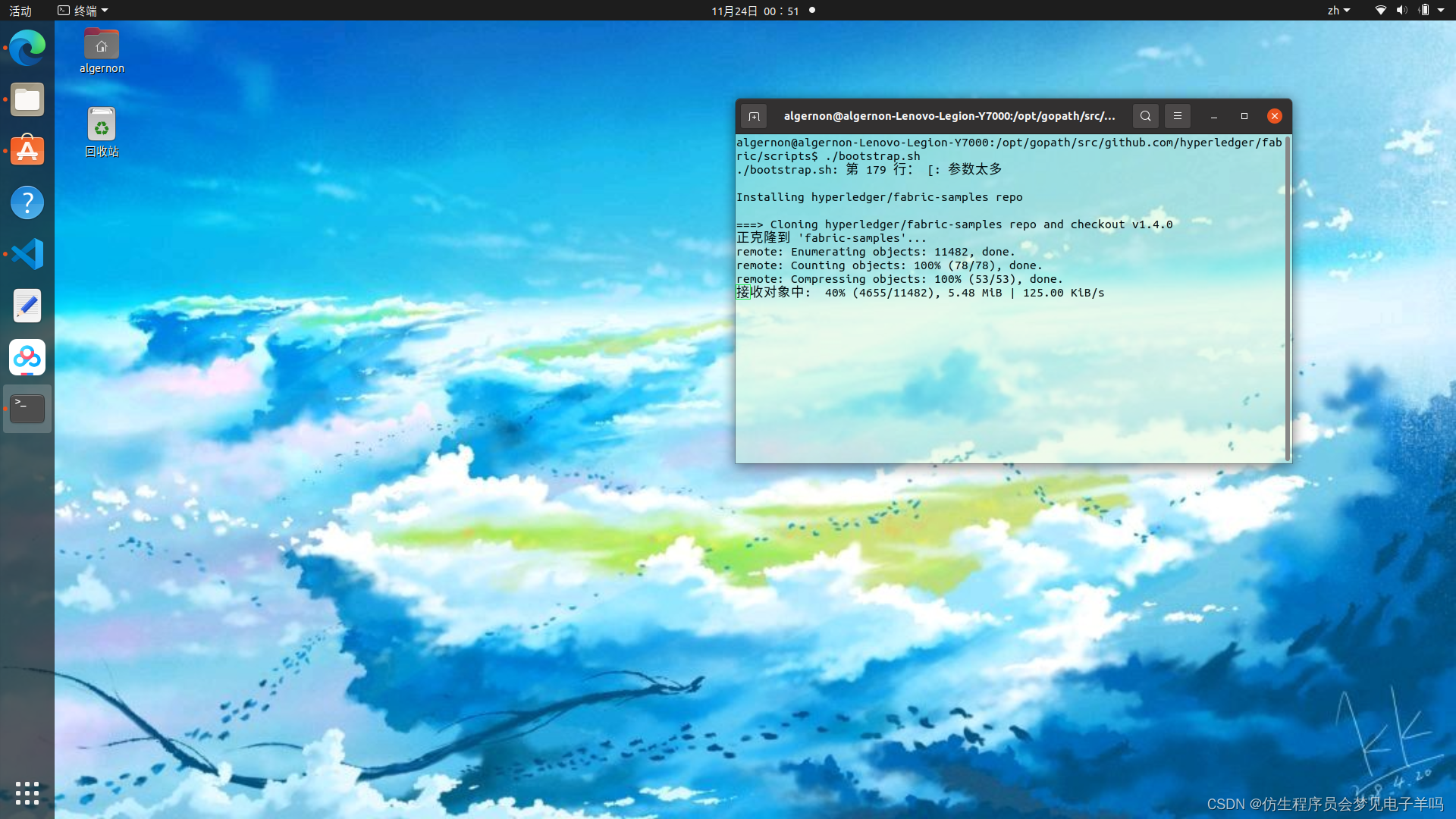
./bootstrap.sh
https://teach.imcn.me/y2020/1146.html
couchDB安装 https://blog.csdn.net/TU_Dresden/article/details/126864418
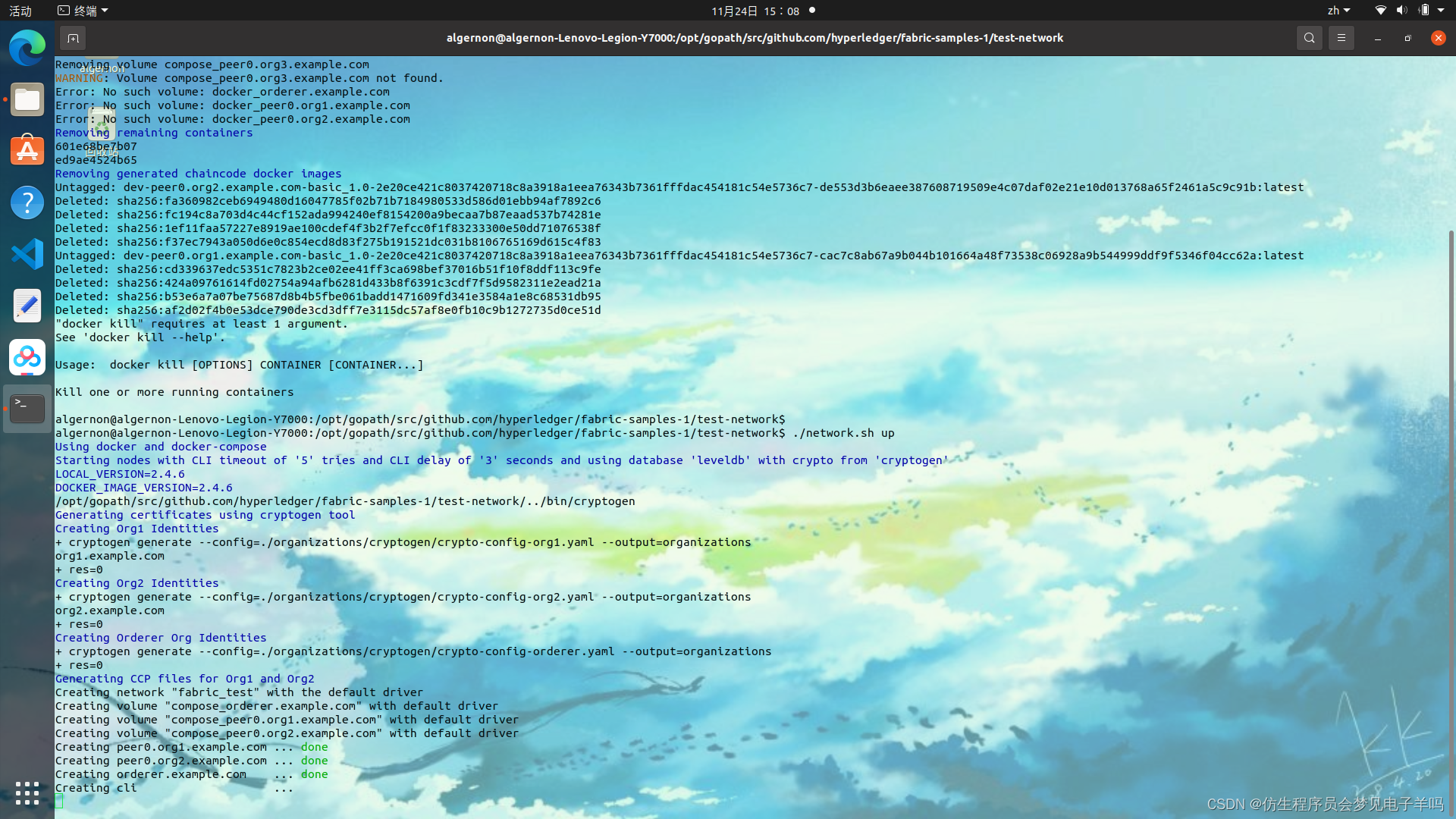
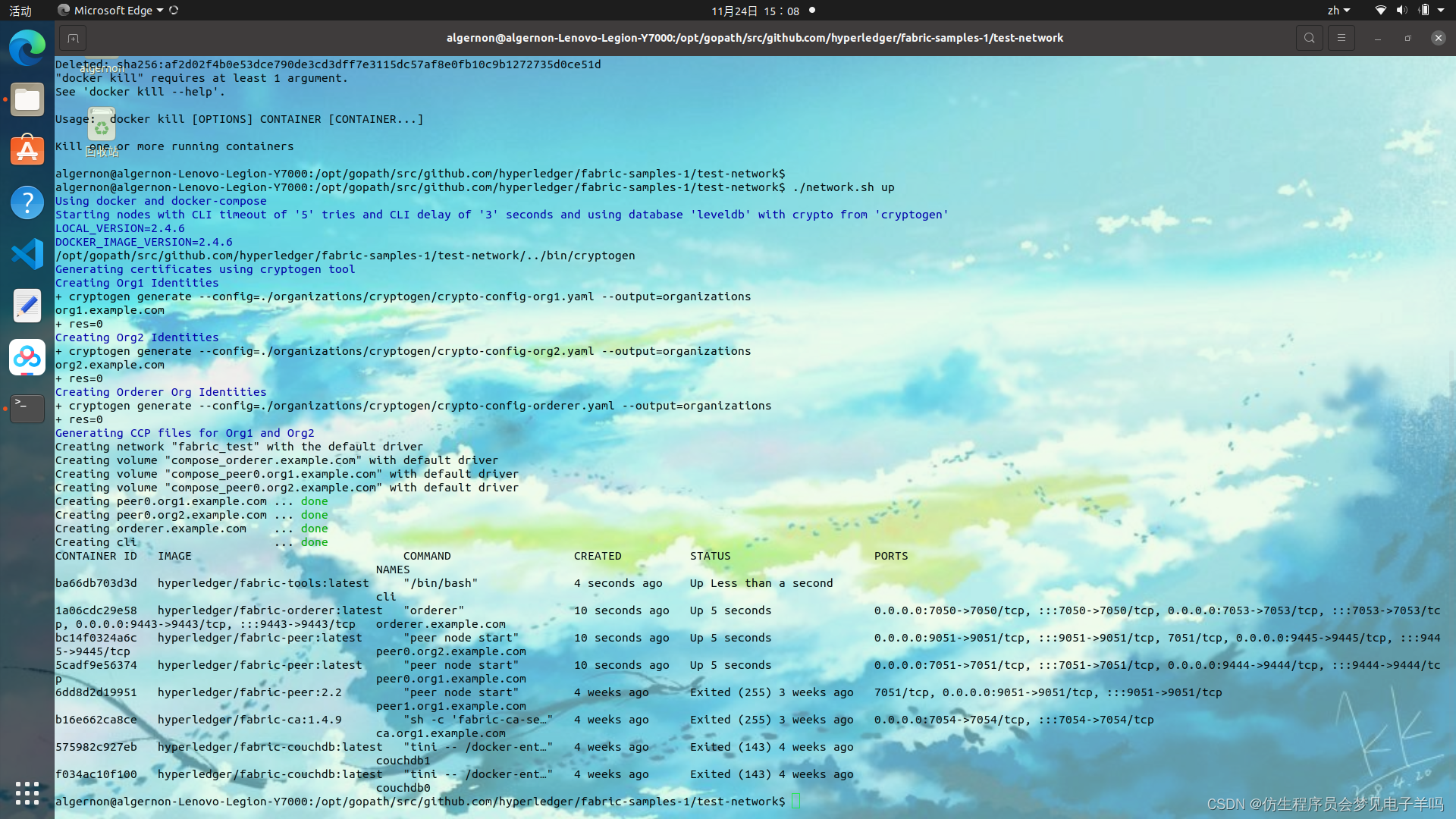
./network.sh up
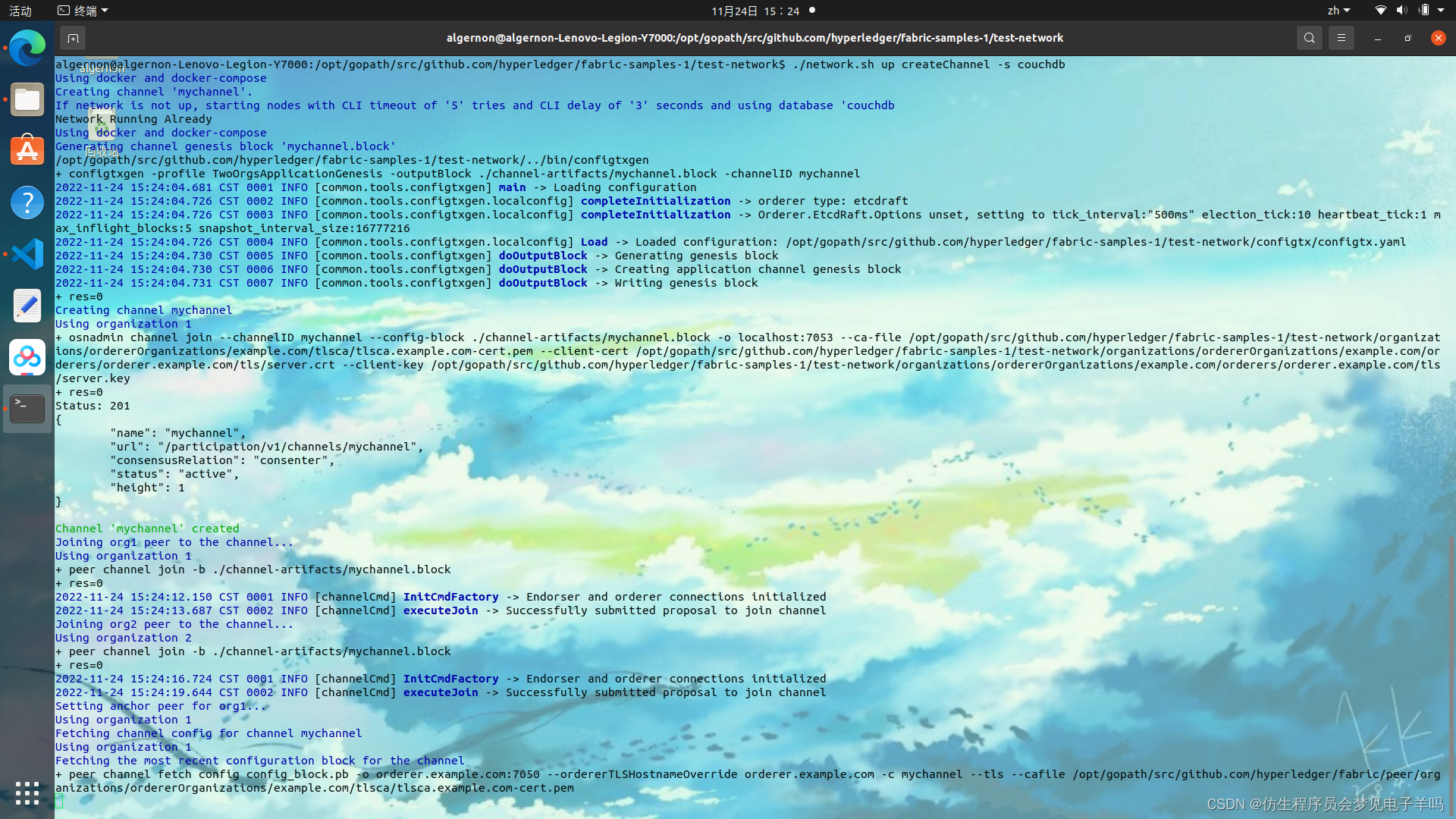
./network.sh up createChannel -s couchdb
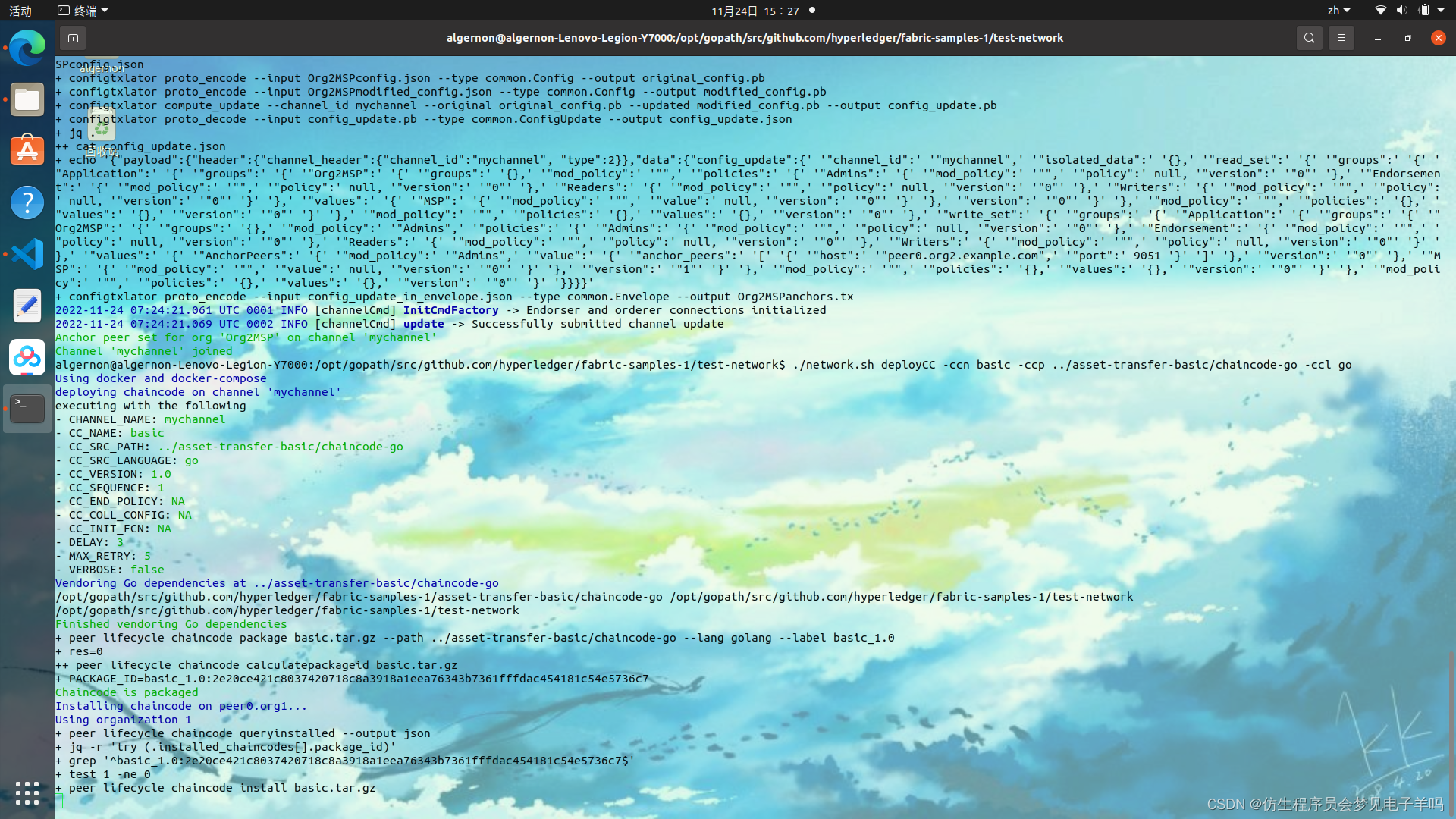
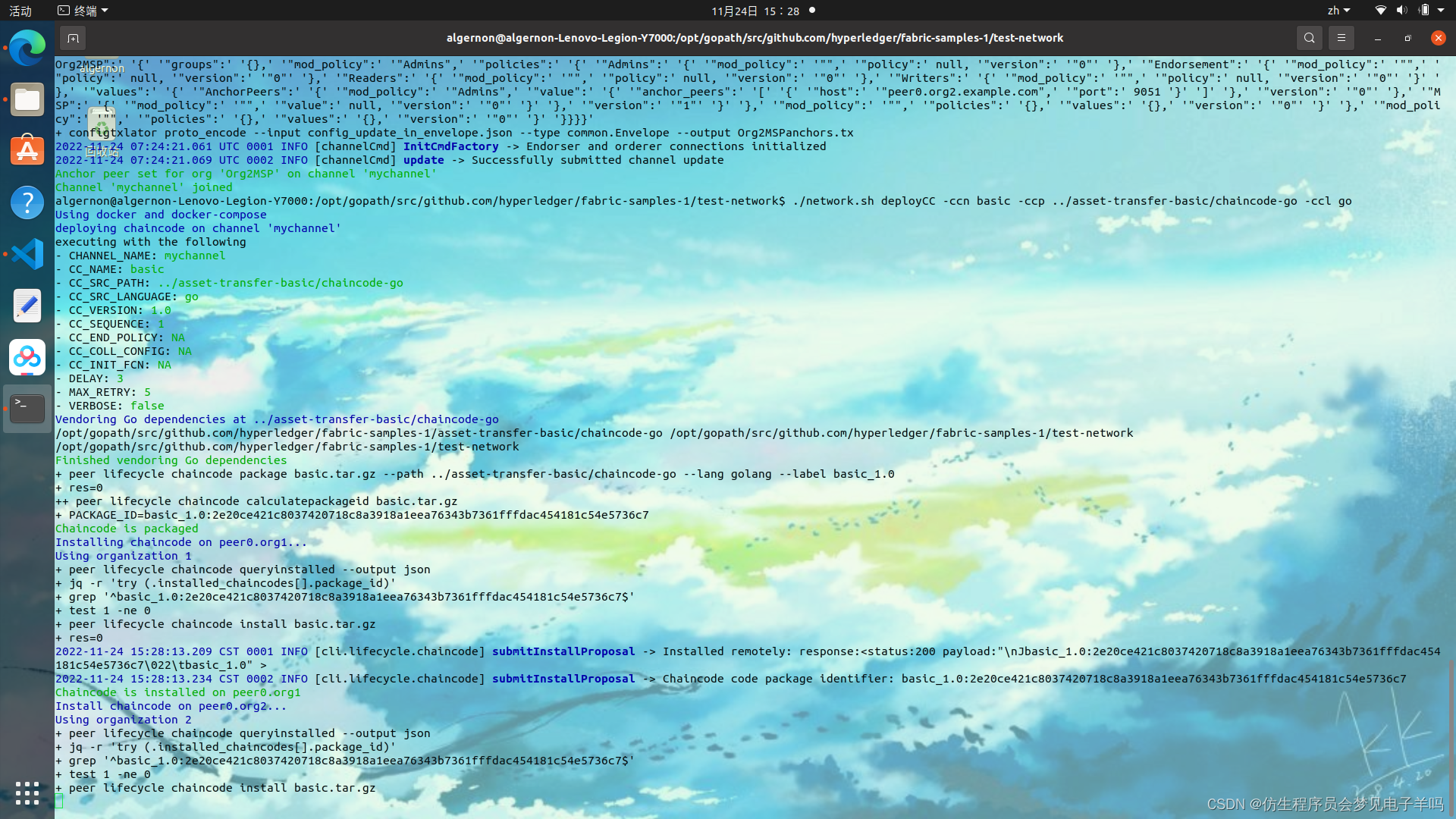
./network.sh deployCC -ccn basic -ccp ../asset-transfer-basic/chaincode-go -ccl go
export PATH=${PWD}/../bin:$PATH
export FABRIC_CFG_PATH=$PWD/../config/
export CORE_PEER_TLS_ENABLED=true
export CORE_PEER_LOCALMSPID="Org1MSP"
export CORE_PEER_TLS_ROOTCERT_FILE=${PWD}/organizations/peerOrganizations/org1.example.com/peers/peer0.org1.example.com/tls/ca.crt
export CORE_PEER_MSPCONFIGPATH=${PWD}/organizations/peerOrganizations/org1.example.com/users/Admin@org1.example.com/msp
export CORE_PEER_ADDRESS=localhost:7051
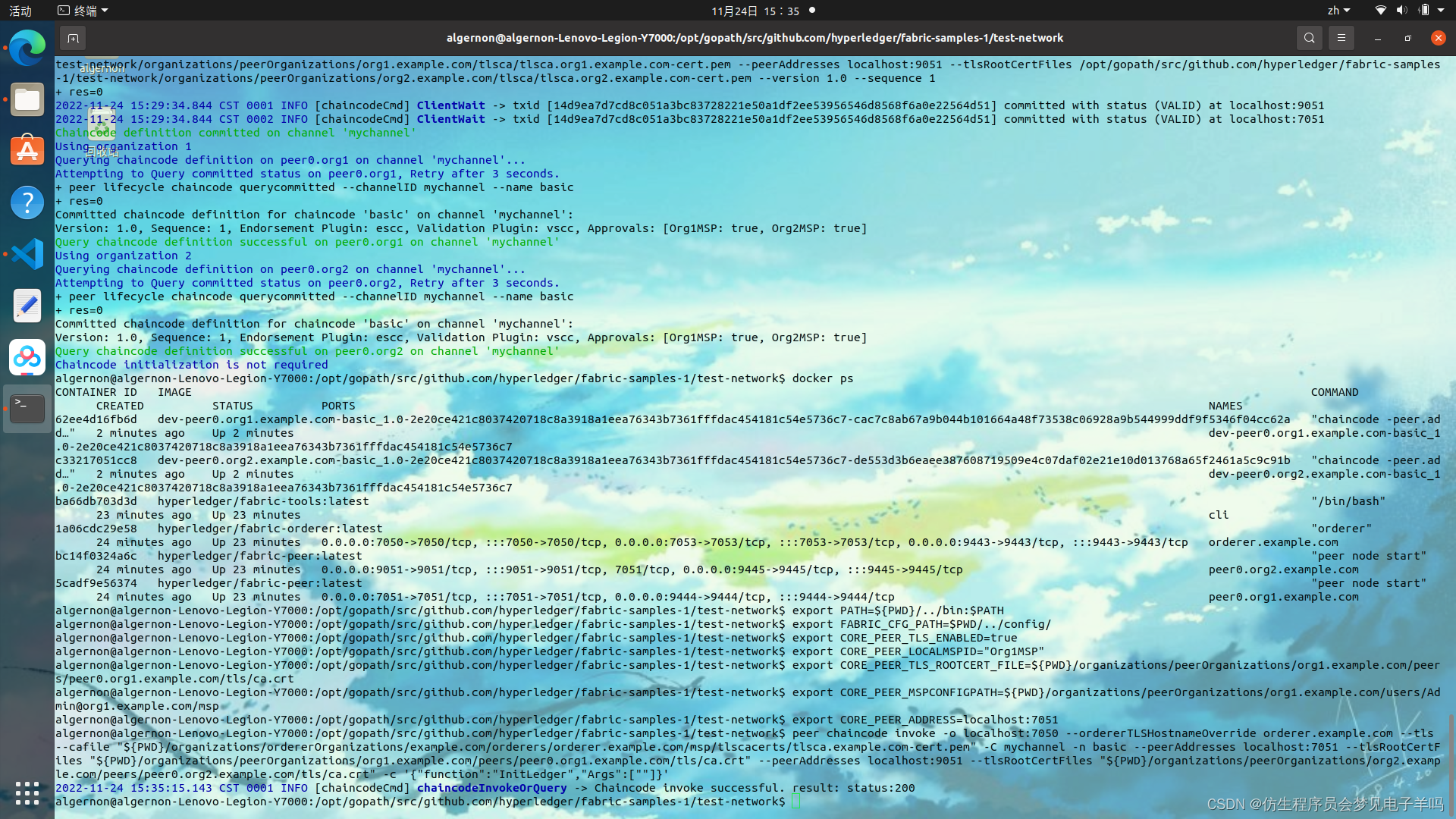
peer chaincode invoke -o localhost:7050 --ordererTLSHostnameOverride orderer.example.com --tls --cafile "${PWD}/organizations/ordererOrganizations/example.com/orderers/orderer.example.com/msp/tlscacerts/tlsca.example.com-cert.pem" -C mychannel -n basic --peerAddresses localhost:7051 --tlsRootCertFiles "${PWD}/organizations/peerOrganizations/org1.example.com/peers/peer0.org1.example.com/tls/ca.crt" --peerAddresses localhost:9051 --tlsRootCertFiles "${PWD}/organizations/peerOrganizations/org2.example.com/peers/peer0.org2.example.com/tls/ca.crt" -c '{"function":"InitLedger","Args":[""]}'
restart
./network.sh up createChannel -ca -s couchdb
gin模板
package main

import (
	"fmt"
	"github.com/gin-gonic/gin"
)

type Stu struct {
	Name string `form:"name"`
	Id   string `form:"id"`
	Age  string `form:"age"`
}

func main() {
	r := gin.Default()
	var stu Stu
	r1 := r.Group("/fabric2.4")
	r1.POST("/setstu", func(c *gin.Context) {
		//var stu Stu
		c.ShouldBind(&stu)
		c.JSON(200, stu)
		fmt.Println("stu:", stu)
	})
	r1.POST("/ok1", func(c *gin.Context) {
		c.JSON(200, "ok1")
	})
	r.Run(":8080") // 监听并在 0.0.0.0:8080 上启动服务

}
链码的只要功能部分:
package chaincode

import (
	"encoding/json"
	"fmt"

	"github.com/hyperledger/fabric-contract-api-go/contractapi"
)

// SmartContract provides functions for managing an Asset
type SmartContract struct {
	contractapi.Contract
}

// Asset describes basic details of what makes up a simple asset
//Insert struct field in alphabetic order => to achieve determinism across languages
// golang keeps the order when marshal to json but doesn't order automatically
type Asset struct {
	AppraisedValue int    `json:"AppraisedValue"`
	Color          string `json:"Color"`
	ID             string `json:"ID"`
	Owner          string `json:"Owner"`
	Size           int    `json:"Size"`
}

// InitLedger adds a base set of assets to the ledger
func (s *SmartContract) InitLedger(ctx contractapi.TransactionContextInterface) error {
	assets := []Asset{
		{ID: "asset1", Color: "blue", Size: 5, Owner: "Tomoko", AppraisedValue: 300},
		{ID: "asset2", Color: "red", Size: 5, Owner: "Brad", AppraisedValue: 400},
		{ID: "asset3", Color: "green", Size: 10, Owner: "Jin Soo", AppraisedValue: 500},
		{ID: "asset4", Color: "yellow", Size: 10, Owner: "Max", AppraisedValue: 600},
		{ID: "asset5", Color: "black", Size: 15, Owner: "Adriana", AppraisedValue: 700},
		{ID: "asset6", Color: "white", Size: 15, Owner: "Michel", AppraisedValue: 800},
	}

	for _, asset := range assets {
		assetJSON, err := json.Marshal(asset)
		if err != nil {
			return err
		}

		err = ctx.GetStub().PutState(asset.ID, assetJSON)
		if err != nil {
			return fmt.Errorf("failed to put to world state. %v", err)
		}
	}

	return nil
}

// CreateAsset issues a new asset to the world state with given details.
func (s *SmartContract) CreateAsset(ctx contractapi.TransactionContextInterface, id string, color string, size int, owner string, appraisedValue int) error {
	exists, err := s.AssetExists(ctx, id)
	if err != nil {
		return err
	}
	if exists {
		return fmt.Errorf("the asset %s already exists", id)
	}

	asset := Asset{
		ID:             id,
		Color:          color,
		Size:           size,
		Owner:          owner,
		AppraisedValue: appraisedValue,
	}
	assetJSON, err := json.Marshal(asset)
	if err != nil {
		return err
	}

	return ctx.GetStub().PutState(id, assetJSON)
}

// ReadAsset returns the asset stored in the world state with given id.
func (s *SmartContract) ReadAsset(ctx contractapi.TransactionContextInterface, id string) (*Asset, error) {
	assetJSON, err := ctx.GetStub().GetState(id)
	if err != nil {
		return nil, fmt.Errorf("failed to read from world state: %v", err)
	}
	if assetJSON == nil {
		return nil, fmt.Errorf("the asset %s does not exist", id)
	}

	var asset Asset
	err = json.Unmarshal(assetJSON, &asset)
	if err != nil {
		return nil, err
	}

	return &asset, nil
}

// UpdateAsset updates an existing asset in the world state with provided parameters.
func (s *SmartContract) UpdateAsset(ctx contractapi.TransactionContextInterface, id string, color string, size int, owner string, appraisedValue int) error {
	exists, err := s.AssetExists(ctx, id)
	if err != nil {
		return err
	}
	if !exists {
		return fmt.Errorf("the asset %s does not exist", id)
	}

	// overwriting original asset with new asset
	asset := Asset{
		ID:             id,
		Color:          color,
		Size:           size,
		Owner:          owner,
		AppraisedValue: appraisedValue,
	}
	assetJSON, err := json.Marshal(asset)
	if err != nil {
		return err
	}

	return ctx.GetStub().PutState(id, assetJSON)
}

// DeleteAsset deletes an given asset from the world state.
func (s *SmartContract) DeleteAsset(ctx contractapi.TransactionContextInterface, id string) error {
	exists, err := s.AssetExists(ctx, id)
	if err != nil {
		return err
	}
	if !exists {
		return fmt.Errorf("the asset %s does not exist", id)
	}

	return ctx.GetStub().DelState(id)
}

// AssetExists returns true when asset with given ID exists in world state
func (s *SmartContract) AssetExists(ctx contractapi.TransactionContextInterface, id string) (bool, error) {
	assetJSON, err := ctx.GetStub().GetState(id)
	if err != nil {
		return false, fmt.Errorf("failed to read from world state: %v", err)
	}

	return assetJSON != nil, nil
}

// TransferAsset updates the owner field of asset with given id in world state, and returns the old owner.
func (s *SmartContract) TransferAsset(ctx contractapi.TransactionContextInterface, id string, newOwner string) (string, error) {
	asset, err := s.ReadAsset(ctx, id)
	if err != nil {
		return "", err
	}

	oldOwner := asset.Owner
	asset.Owner = newOwner

	assetJSON, err := json.Marshal(asset)
	if err != nil {
		return "", err
	}

	err = ctx.GetStub().PutState(id, assetJSON)
	if err != nil {
		return "", err
	}

	return oldOwner, nil
}

// GetAllAssets returns all assets found in world state
func (s *SmartContract) GetAllAssets(ctx contractapi.TransactionContextInterface) ([]*Asset, error) {
	// range query with empty string for startKey and endKey does an
	// open-ended query of all assets in the chaincode namespace.
	resultsIterator, err := ctx.GetStub().GetStateByRange("", "")
	if err != nil {
		return nil, err
	}
	defer resultsIterator.Close()

	var assets []*Asset
	for resultsIterator.HasNext() {
		queryResponse, err := resultsIterator.Next()
		if err != nil {
			return nil, err
		}

		var asset Asset
		err = json.Unmarshal(queryResponse.Value, &asset)
		if err != nil {
			return nil, err
		}
		assets = append(assets, &asset)
	}

	return assets, nil
}
查看虚拟机的IP和地址:
ifconfig
package main

import (
	"bytes"
	"crypto/x509"
	"encoding/json"
	"fmt"
	"github.com/gin-gonic/gin"
	"github.com/hyperledger/fabric-gateway/pkg/client"
	"github.com/hyperledger/fabric-gateway/pkg/identity"
	"google.golang.org/grpc"
	"google.golang.org/grpc/credentials"
	"io/ioutil"
	"path"
	"time"
)

const (
	mspID         = "Org1MSP"
	cryptoPath    = "./peerOrganizations/org1.example.com"
	certPath      = cryptoPath + "/users/User1@org1.example.com/msp/signcerts/cert.pem"
	keyPath       = cryptoPath + "/users/User1@org1.example.com/msp/keystore/"
	tlsCertPath   = cryptoPath + "/peers/peer0.org1.example.com/tls/ca.crt"
	peerEndpoint  = "192.168.136.130:7051"
	gatewayPeer   = "peer0.org1.example.com"
	channelName   = "mychannel"
	chaincodeName = "basic"
)

type Asset struct {
	AppraisedValue int    `form:"appraisedValue" json:"appraisedValue" `
	Color          string `form:"color" json:"color"`
	ID             string `form:"id" json:"id"`
	Owner          string `form:"owner" json:"owner"`
	Size           int    `form:"size" json:"size"`
}

func main() {
	// The gRPC client connection should be shared by all Gateway connections to this endpoint
	clientConnection := newGrpcConnection()
	defer clientConnection.Close()

	id := newIdentity()
	sign := newSign()

	// Create a Gateway connection for a specific client identity
	gateway, err := client.Connect(
		id,
		client.WithSign(sign),
		client.WithClientConnection(clientConnection),
		// Default timeouts for different gRPC calls
		client.WithEvaluateTimeout(5*time.Second),
		client.WithEndorseTimeout(15*time.Second),
		client.WithSubmitTimeout(5*time.Second),
		client.WithCommitStatusTimeout(1*time.Minute),
	)
	if err != nil {
		panic(err)
	}
	defer gateway.Close()
	network := gateway.GetNetwork(channelName)
	contract := network.GetContract(chaincodeName)

	r := gin.Default()
	r1 := r.Group("/fabric2.4")
	r1.POST("/CreateAsset", func(c *gin.Context) {
		var asset Asset
		c.ShouldBind(&asset)
		c.JSON(200, asset)
		marshal, _ := json.Marshal(asset)
		fmt.Println(string(marshal))
		fmt.Println("asset:", asset)
	})
	r1.POST("/GetAllAssets", func(c *gin.Context) {
		result := getAllAssets(contract)
		c.JSON(200, result)
	})
	r.Run(":8080") // 监听并在 0.0.0.0:8080 上启动服务

}

// Evaluate a transaction to query ledger state.
func getAllAssets(contract *client.Contract) string {
	fmt.Println("Evaluate Transaction: GetAllAssets, function returns all the current assets on the ledger")

	evaluateResult, err := contract.EvaluateTransaction("GetAllAssets")
	if err != nil {
		panic(fmt.Errorf("failed to evaluate transaction: %w", err))
	}
	result := formatJSON(evaluateResult)

	fmt.Printf("*** Result:%s\n", result)

	return string(evaluateResult)
}

// newGrpcConnection creates a gRPC connection to the Gateway server.
func newGrpcConnection() *grpc.ClientConn {
	certificate, err := loadCertificate(tlsCertPath)
	if err != nil {
		panic(err)
	}

	certPool := x509.NewCertPool()
	certPool.AddCert(certificate)
	transportCredentials := credentials.NewClientTLSFromCert(certPool, gatewayPeer)

	connection, err := grpc.Dial(peerEndpoint, grpc.WithTransportCredentials(transportCredentials))
	if err != nil {
		panic(fmt.Errorf("failed to create gRPC connection: %w", err))
	}

	return connection
}

// newIdentity creates a client identity for this Gateway connection using an X.509 certificate.
func newIdentity() *identity.X509Identity {
	certificate, err := loadCertificate(certPath)
	if err != nil {
		panic(err)
	}

	id, err := identity.NewX509Identity(mspID, certificate)
	if err != nil {
		panic(err)
	}

	return id
}

func loadCertificate(filename string) (*x509.Certificate, error) {
	certificatePEM, err := ioutil.ReadFile(filename)
	if err != nil {
		return nil, fmt.Errorf("failed to read certificate file: %w", err)
	}
	return identity.CertificateFromPEM(certificatePEM)
}

// newSign creates a function that generates a digital signature from a message digest using a private key.
func newSign() identity.Sign {
	files, err := ioutil.ReadDir(keyPath)
	if err != nil {
		panic(fmt.Errorf("failed to read private key directory: %w", err))
	}
	privateKeyPEM, err := ioutil.ReadFile(path.Join(keyPath, files[0].Name()))

	if err != nil {
		panic(fmt.Errorf("failed to read private key file: %w", err))
	}

	privateKey, err := identity.PrivateKeyFromPEM(privateKeyPEM)
	if err != nil {
		panic(err)
	}

	sign, err := identity.NewPrivateKeySign(privateKey)
	if err != nil {
		panic(err)
	}

	return sign
}

// Format JSON data
func formatJSON(data []byte) string {
	var prettyJSON bytes.Buffer
	if err := json.Indent(&prettyJSON, data, " ", ""); err != nil {
		panic(fmt.Errorf("failed to parse JSON: %w", err))
	}
	return prettyJSON.String()
}
package chaincode

import (
	"encoding/json"
	"fmt"

	"github.com/hyperledger/fabric-contract-api-go/contractapi"
)

// SmartContract provides functions for managing an Asset
type SmartContract struct {
	contractapi.Contract
}

// Asset describes basic details of what makes up a simple asset
//Insert struct field in alphabetic order => to achieve determinism across languages
// golang keeps the order when marshal to json but doesn't order automatically
type Asset struct {
	AppraisedValue int    `json:"AppraisedValue"`
	Color          string `json:"Color"`
	ID             string `json:"ID"`
	Owner          string `json:"Owner"`
	Size           int    `json:"Size"`
}

// InitLedger adds a base set of assets to the ledger
func (s *SmartContract) InitLedger(ctx contractapi.TransactionContextInterface) error {
	assets := []Asset{
		{ID: "asset1", Color: "blue", Size: 5, Owner: "Tomoko", AppraisedValue: 300},
		{ID: "asset2", Color: "red", Size: 5, Owner: "Brad", AppraisedValue: 400},
		{ID: "asset3", Color: "green", Size: 10, Owner: "Jin Soo", AppraisedValue: 500},
		{ID: "asset4", Color: "yellow", Size: 10, Owner: "Max", AppraisedValue: 600},
		{ID: "asset5", Color: "black", Size: 15, Owner: "Adriana", AppraisedValue: 700},
		{ID: "asset6", Color: "white", Size: 15, Owner: "Michel", AppraisedValue: 800},
	}

	for _, asset := range assets {
		assetJSON, err := json.Marshal(asset)
		if err != nil {
			return err
		}

		err = ctx.GetStub().PutState(asset.ID, assetJSON)
		if err != nil {
			return fmt.Errorf("failed to put to world state. %v", err)
		}
	}

	return nil
}

// CreateAsset issues a new asset to the world state with given details.
func (s *SmartContract) CreateAsset(ctx contractapi.TransactionContextInterface, id string, color string, size int, owner string, appraisedValue int) error {
	exists, err := s.AssetExists(ctx, id)
	if err != nil {
		return err
	}
	if exists {
		return fmt.Errorf("the asset %s already exists", id)
	}

	asset := Asset{
		ID:             id,
		Color:          color,
		Size:           size,
		Owner:          owner,
		AppraisedValue: appraisedValue,
	}
	assetJSON, err := json.Marshal(asset)
	if err != nil {
		return err
	}

	return ctx.GetStub().PutState(id, assetJSON)
}

// ReadAsset returns the asset stored in the world state with given id.
func (s *SmartContract) ReadAsset(ctx contractapi.TransactionContextInterface, id string) (*Asset, error) {
	assetJSON, err := ctx.GetStub().GetState(id)
	if err != nil {
		return nil, fmt.Errorf("failed to read from world state: %v", err)
	}
	if assetJSON == nil {
		return nil, fmt.Errorf("the asset %s does not exist", id)
	}

	var asset Asset
	err = json.Unmarshal(assetJSON, &asset)
	if err != nil {
		return nil, err
	}

	return &asset, nil
}

// UpdateAsset updates an existing asset in the world state with provided parameters.
func (s *SmartContract) UpdateAsset(ctx contractapi.TransactionContextInterface, id string, color string, size int, owner string, appraisedValue int) error {
	exists, err := s.AssetExists(ctx, id)
	if err != nil {
		return err
	}
	if !exists {
		return fmt.Errorf("the asset %s does not exist", id)
	}

	// overwriting original asset with new asset
	asset := Asset{
		ID:             id,
		Color:          color,
		Size:           size,
		Owner:          owner,
		AppraisedValue: appraisedValue,
	}
	assetJSON, err := json.Marshal(asset)
	if err != nil {
		return err
	}

	return ctx.GetStub().PutState(id, assetJSON)
}

// DeleteAsset deletes an given asset from the world state.
func (s *SmartContract) DeleteAsset(ctx contractapi.TransactionContextInterface, id string) error {
	exists, err := s.AssetExists(ctx, id)
	if err != nil {
		return err
	}
	if !exists {
		return fmt.Errorf("the asset %s does not exist", id)
	}

	return ctx.GetStub().DelState(id)
}

// AssetExists returns true when asset with given ID exists in world state
func (s *SmartContract) AssetExists(ctx contractapi.TransactionContextInterface, id string) (bool, error) {
	assetJSON, err := ctx.GetStub().GetState(id)
	if err != nil {
		return false, fmt.Errorf("failed to read from world state: %v", err)
	}

	return assetJSON != nil, nil
}

// TransferAsset updates the owner field of asset with given id in world state, and returns the old owner.
func (s *SmartContract) TransferAsset(ctx contractapi.TransactionContextInterface, id string, newOwner string) (string, error) {
	asset, err := s.ReadAsset(ctx, id)
	if err != nil {
		return "", err
	}

	oldOwner := asset.Owner
	asset.Owner = newOwner

	assetJSON, err := json.Marshal(asset)
	if err != nil {
		return "", err
	}

	err = ctx.GetStub().PutState(id, assetJSON)
	if err != nil {
		return "", err
	}

	return oldOwner, nil
}

// GetAllAssets returns all assets found in world state
func (s *SmartContract) GetAllAssets(ctx contractapi.TransactionContextInterface) ([]*Asset, error) {
	// range query with empty string for startKey and endKey does an
	// open-ended query of all assets in the chaincode namespace.
	resultsIterator, err := ctx.GetStub().GetStateByRange("", "")
	if err != nil {
		return nil, err
	}
	defer resultsIterator.Close()

	var assets []*Asset
	for resultsIterator.HasNext() {
		queryResponse, err := resultsIterator.Next()
		if err != nil {
			return nil, err
		}

		var asset Asset
		err = json.Unmarshal(queryResponse.Value, &asset)
		if err != nil {
			return nil, err
		}
		assets = append(assets, &asset)
	}

	return assets, nil
}
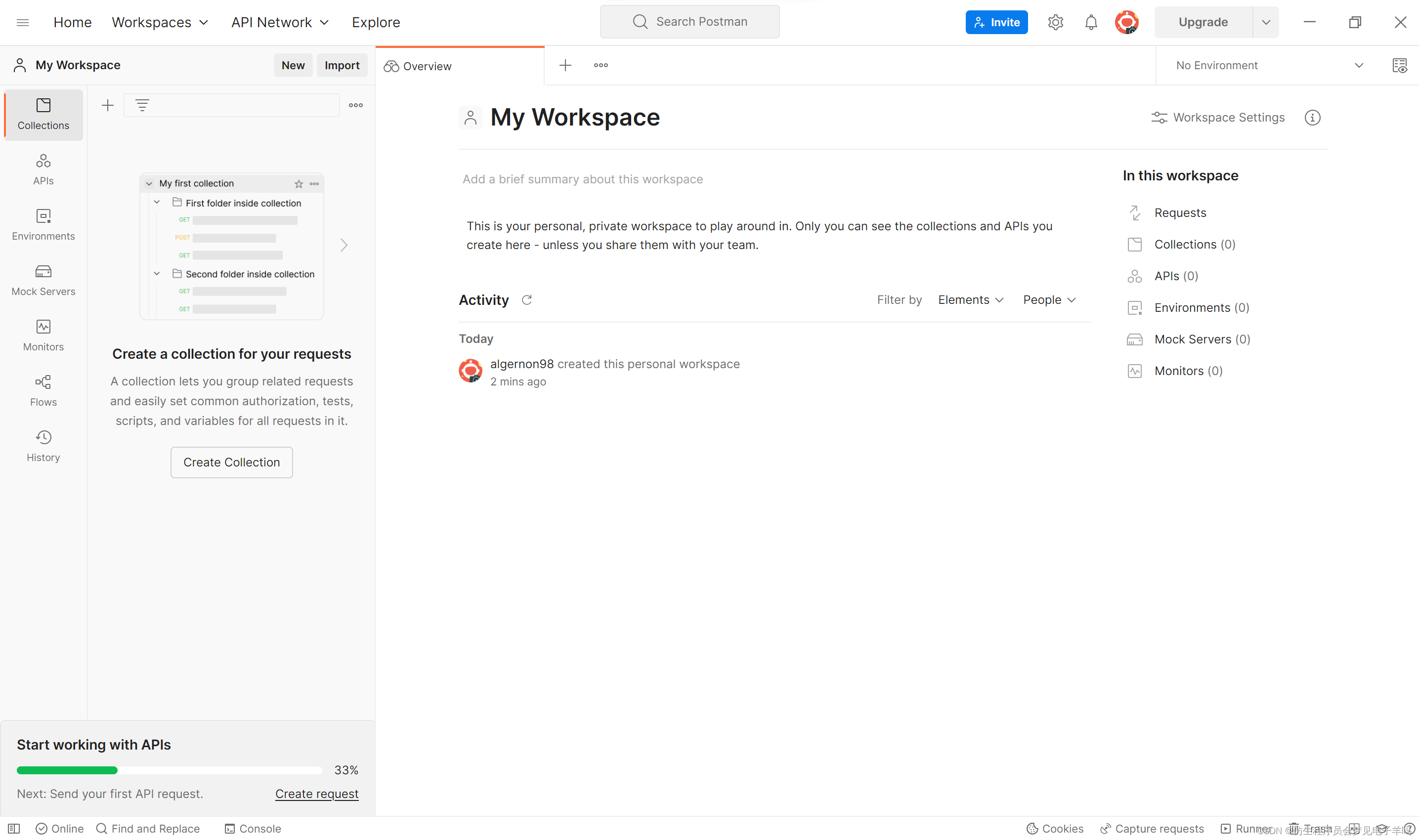
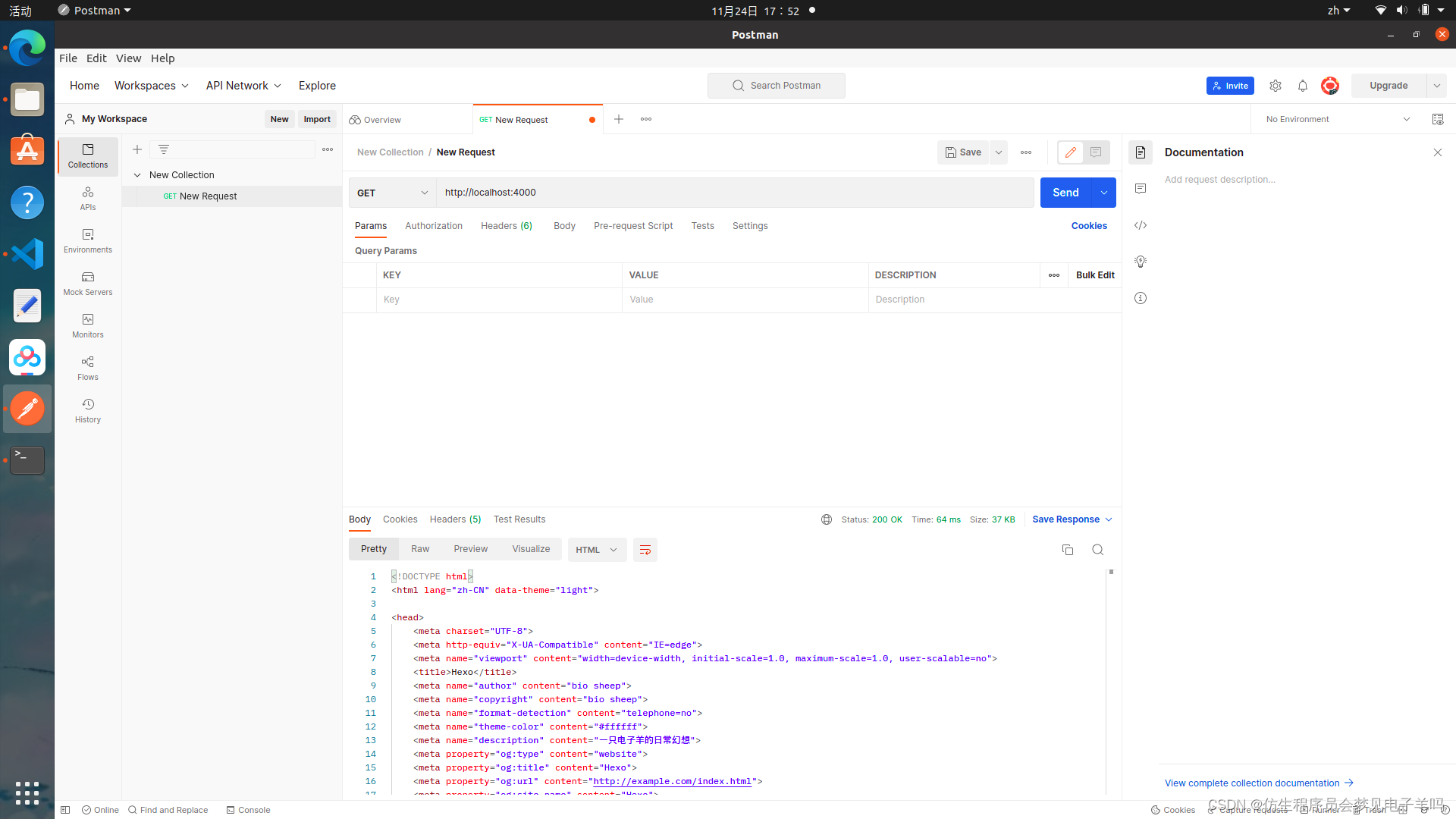
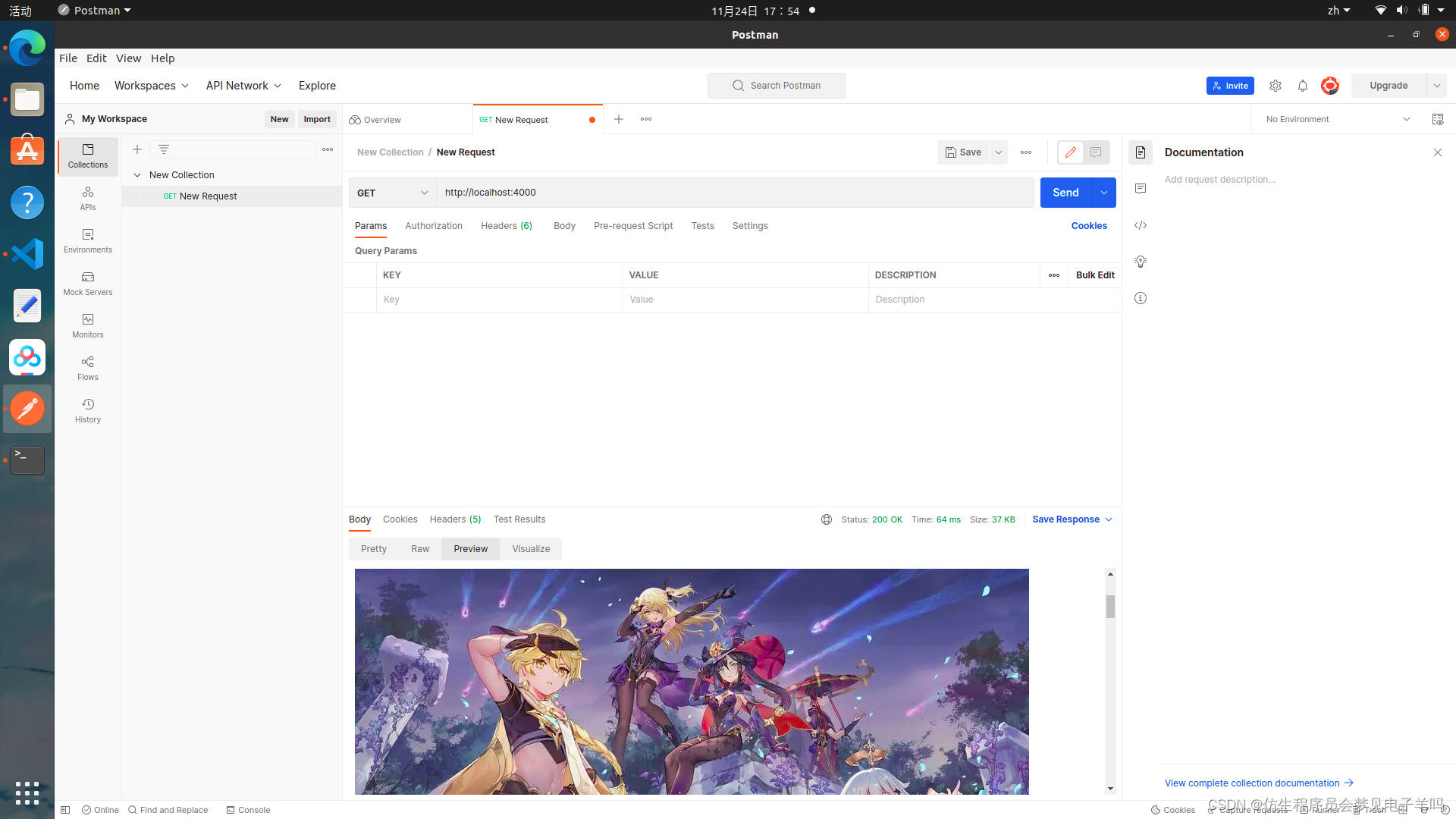
测试自家网站:
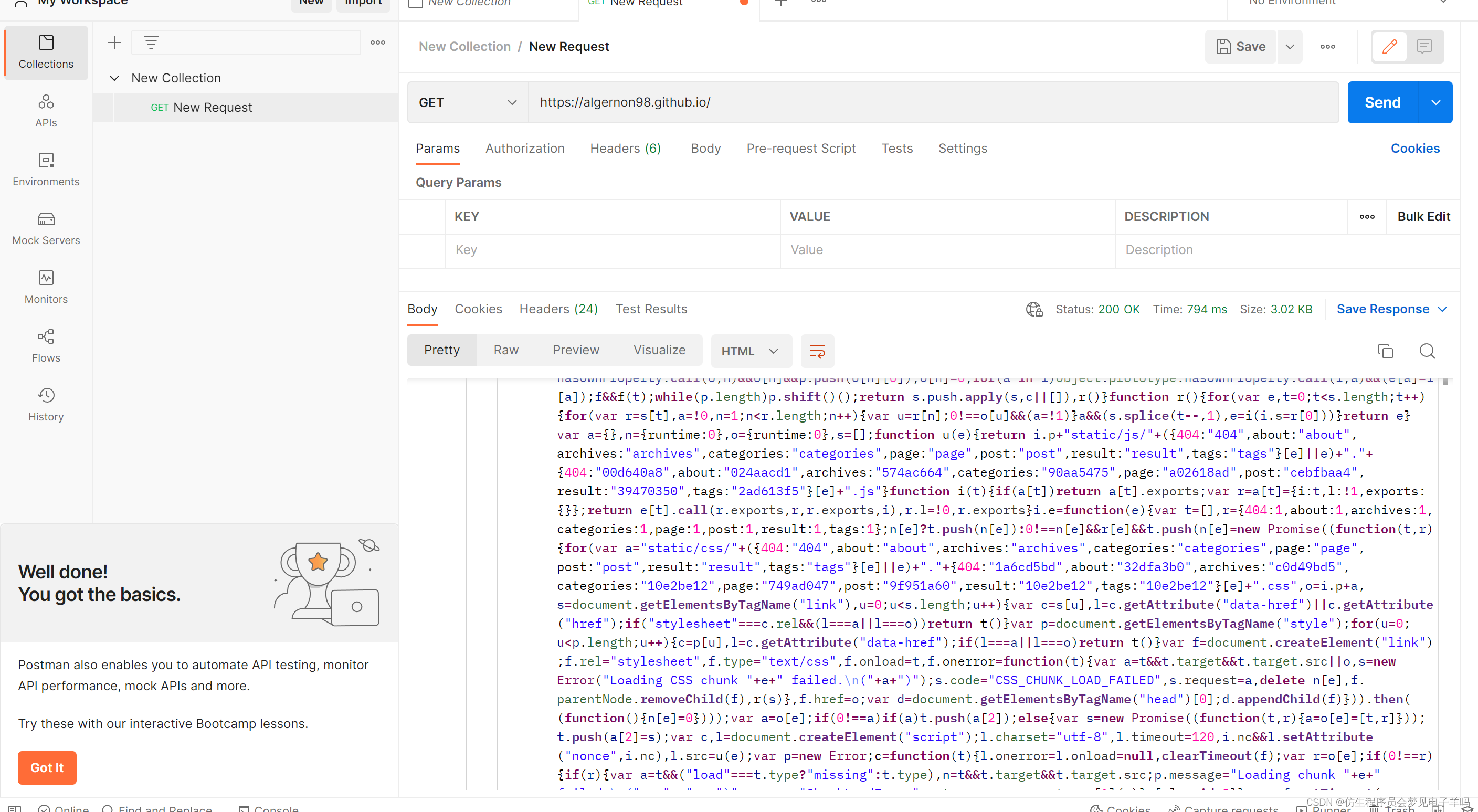
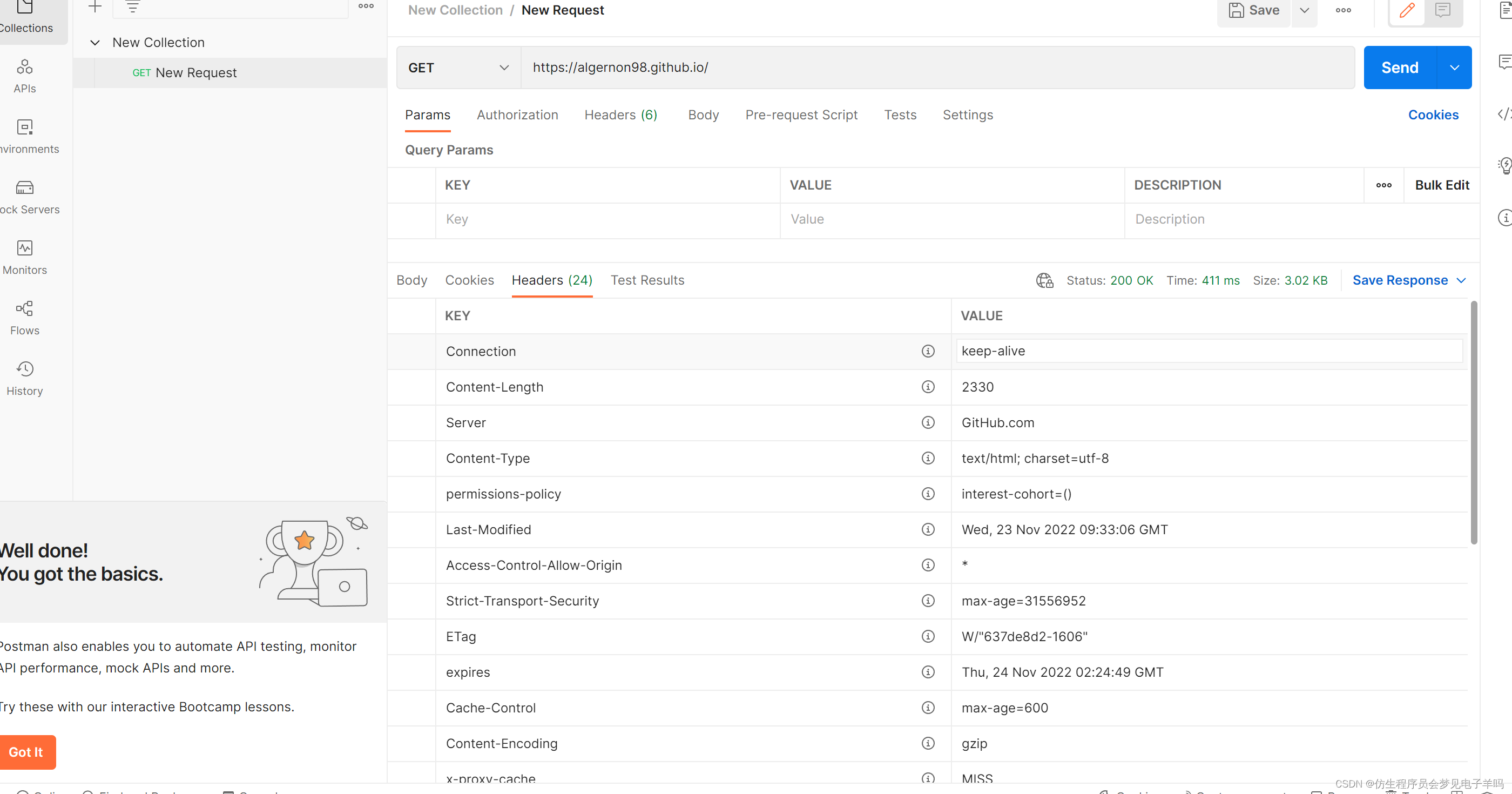
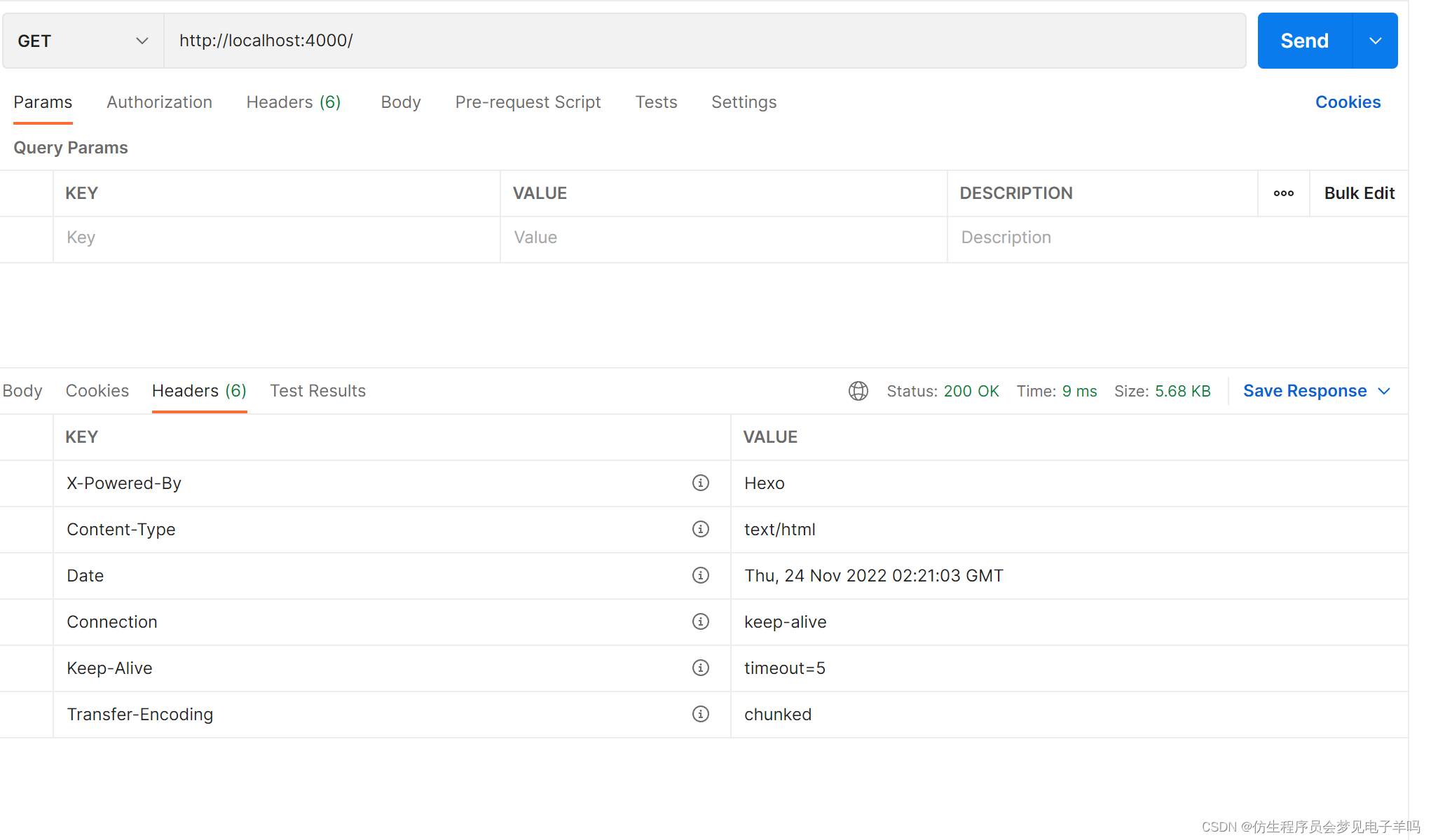
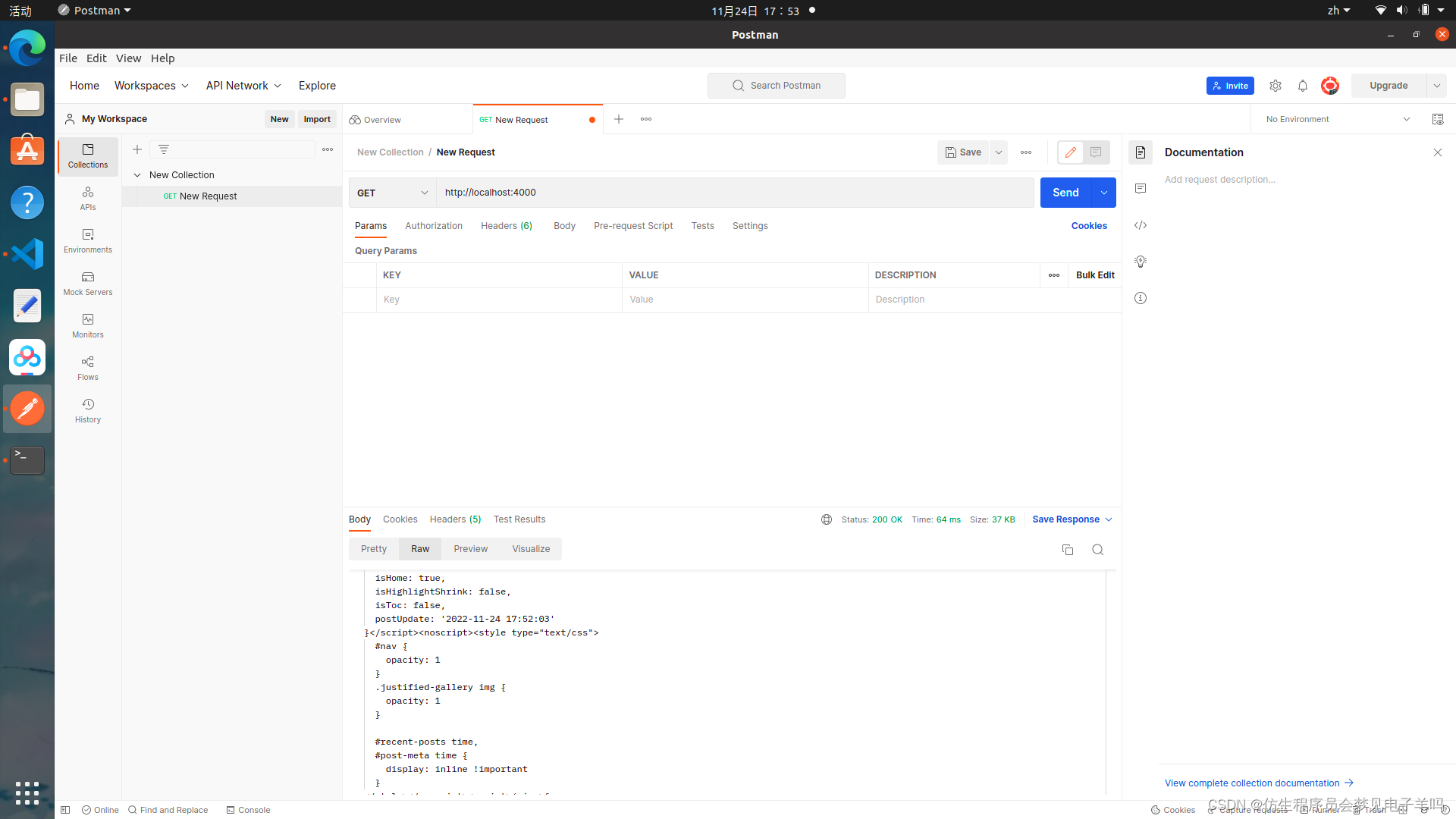
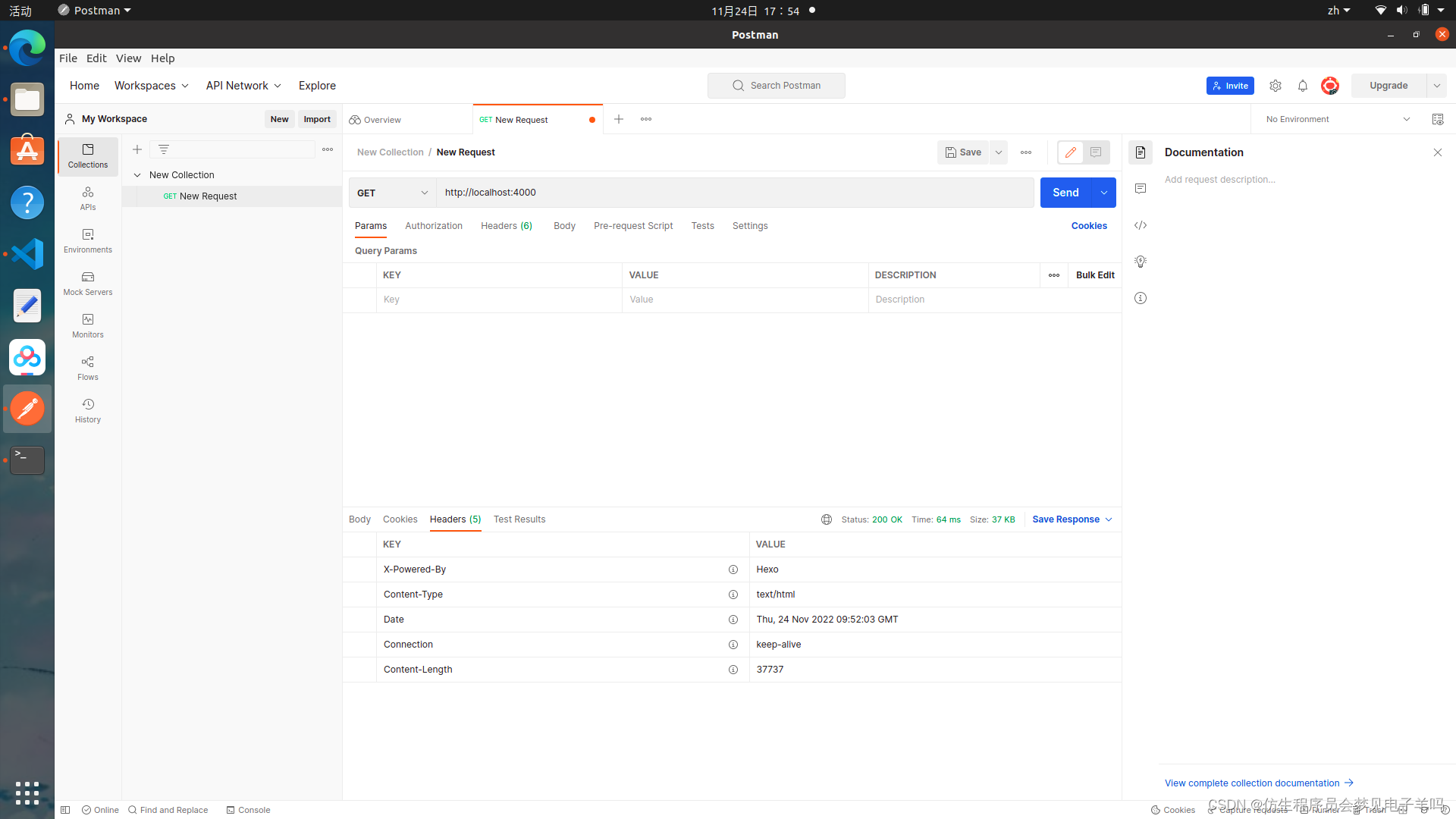
本地查询:
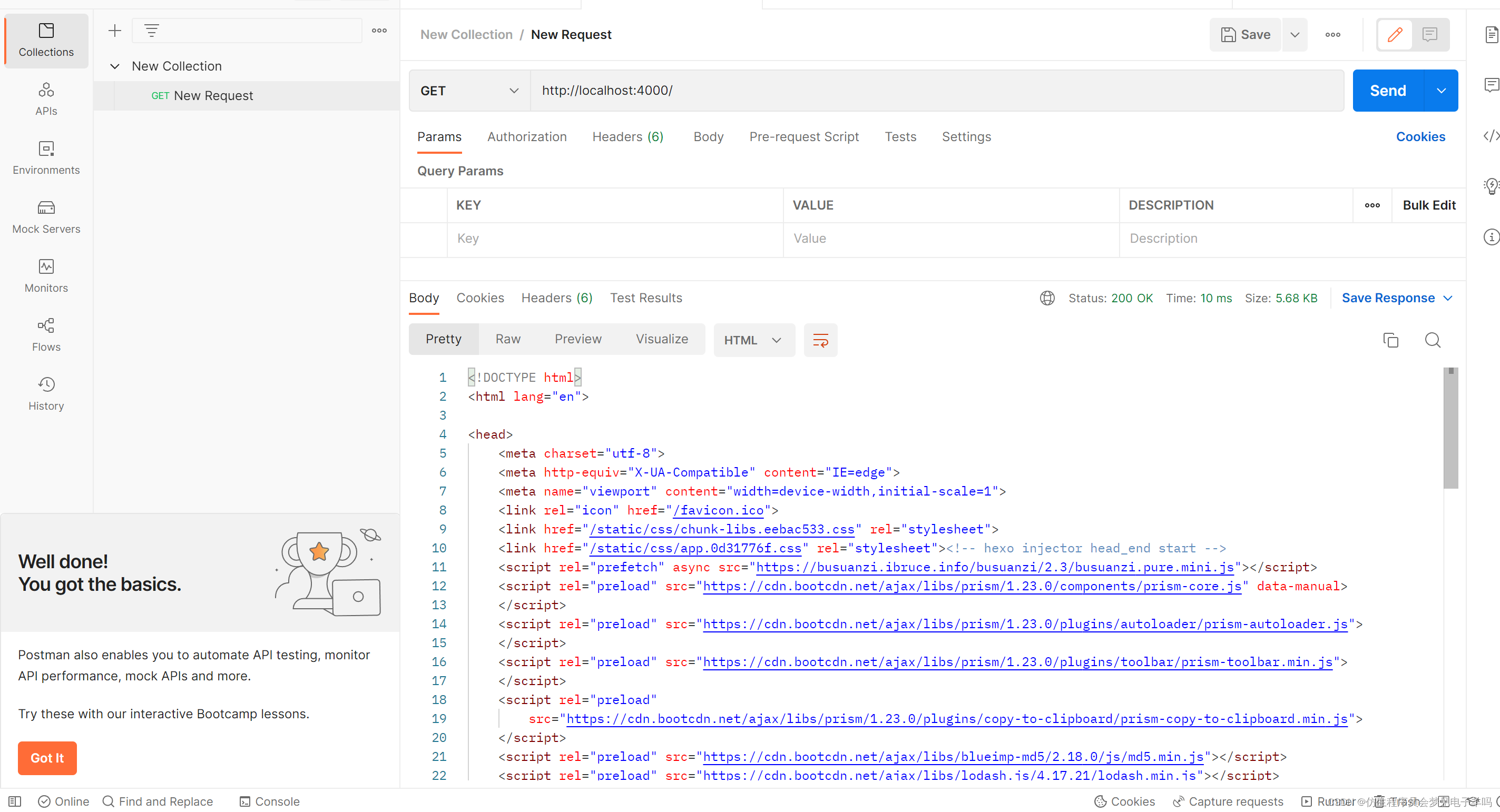
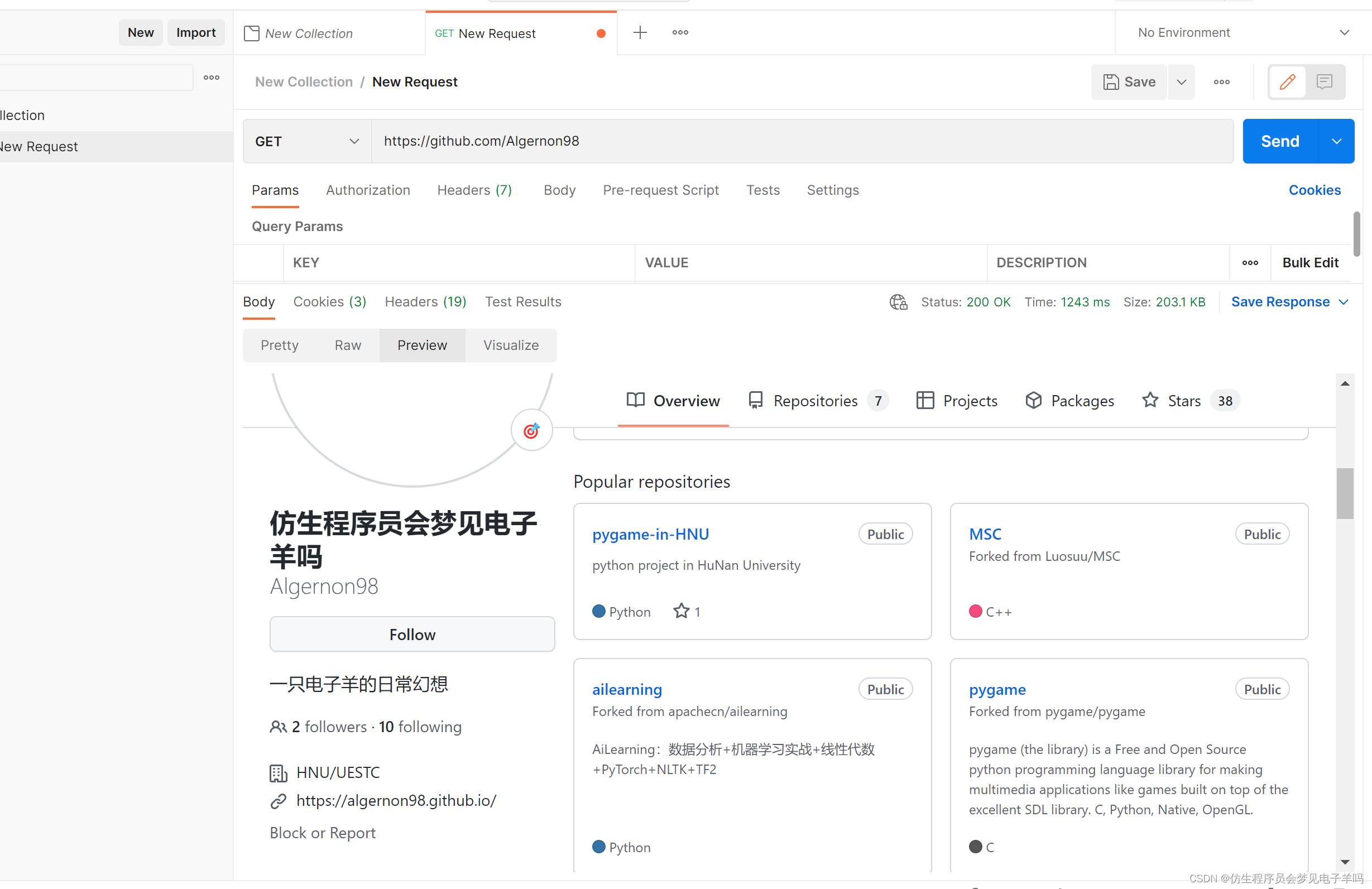
自己的github:
package main

import (
	"bytes"
	"crypto/x509"
	"encoding/json"
	"fmt"
	"github.com/gin-gonic/gin"
	"github.com/hyperledger/fabric-gateway/pkg/client"
	"github.com/hyperledger/fabric-gateway/pkg/identity"
	"google.golang.org/grpc"
	"google.golang.org/grpc/credentials"
	"io/ioutil"
	"path"
	"time"
)

const (
	mspID         = "Org1MSP"
	cryptoPath    = "./peerOrganizations/org1.example.com"
	certPath      = cryptoPath + "/users/User1@org1.example.com/msp/signcerts/cert.pem"
	keyPath       = cryptoPath + "/users/User1@org1.example.com/msp/keystore/"
	tlsCertPath   = cryptoPath + "/peers/peer0.org1.example.com/tls/ca.crt"
	peerEndpoint  = "192.168.136.130:7051"
	gatewayPeer   = "peer0.org1.example.com"
	channelName   = "mychannel"
	chaincodeName = "basic"
)

type Asset struct {
	AppraisedValue int    `form:"appraisedValue" json:"appraisedValue" `
	Color          string `form:"color" json:"color"`
	ID             string `form:"id" json:"id"`
	Owner          string `form:"owner" json:"owner"`
	Size           int    `form:"size" json:"size"`
}

func main() {
	// The gRPC client connection should be shared by all Gateway connections to this endpoint
	clientConnection := newGrpcConnection()
	defer clientConnection.Close()

	id := newIdentity()
	sign := newSign()

	// Create a Gateway connection for a specific client identity
	gateway, err := client.Connect(
		id,
		client.WithSign(sign),
		client.WithClientConnection(clientConnection),
		// Default timeouts for different gRPC calls
		client.WithEvaluateTimeout(5*time.Second),
		client.WithEndorseTimeout(15*time.Second),
		client.WithSubmitTimeout(5*time.Second),
		client.WithCommitStatusTimeout(1*time.Minute),
	)
	if err != nil {
		panic(err)
	}
	defer gateway.Close()
	network := gateway.GetNetwork(channelName)
	contract := network.GetContract(chaincodeName)

	r := gin.Default()
	r1 := r.Group("/fabric2.4.2")
	r1.POST("/Init", func(c *gin.Context) {
		initLedger(contract)
		c.JSON(200, "init ok!")
	})
	r.Run(":8080") // 监听并在 0.0.0.0:8080 上启动服务

}

// Evaluate a transaction to query ledger state.
func getAllAssets(contract *client.Contract) string {
	fmt.Println("Evaluate Transaction: GetAllAssets, function returns all the current assets on the ledger")

	evaluateResult, err := contract.EvaluateTransaction("GetAllAssets")
	if err != nil {
		panic(fmt.Errorf("failed to evaluate transaction: %w", err))
	}
	result := formatJSON(evaluateResult)

	fmt.Printf("*** Result:%s\n", result)

	return string(evaluateResult)
}

// newGrpcConnection creates a gRPC connection to the Gateway server.
func newGrpcConnection() *grpc.ClientConn {
	certificate, err := loadCertificate(tlsCertPath)
	if err != nil {
		panic(err)
	}

	certPool := x509.NewCertPool()
	certPool.AddCert(certificate)
	transportCredentials := credentials.NewClientTLSFromCert(certPool, gatewayPeer)

	connection, err := grpc.Dial(peerEndpoint, grpc.WithTransportCredentials(transportCredentials))
	if err != nil {
		panic(fmt.Errorf("failed to create gRPC connection: %w", err))
	}

	return connection
}

// newIdentity creates a client identity for this Gateway connection using an X.509 certificate.
func newIdentity() *identity.X509Identity {
	certificate, err := loadCertificate(certPath)
	if err != nil {
		panic(err)
	}

	id, err := identity.NewX509Identity(mspID, certificate)
	if err != nil {
		panic(err)
	}

	return id
}

func loadCertificate(filename string) (*x509.Certificate, error) {
	certificatePEM, err := ioutil.ReadFile(filename)
	if err != nil {
		return nil, fmt.Errorf("failed to read certificate file: %w", err)
	}
	return identity.CertificateFromPEM(certificatePEM)
}

// newSign creates a function that generates a digital signature from a message digest using a private key.
func newSign() identity.Sign {
	files, err := ioutil.ReadDir(keyPath)
	if err != nil {
		panic(fmt.Errorf("failed to read private key directory: %w", err))
	}
	privateKeyPEM, err := ioutil.ReadFile(path.Join(keyPath, files[0].Name()))

	if err != nil {
		panic(fmt.Errorf("failed to read private key file: %w", err))
	}

	privateKey, err := identity.PrivateKeyFromPEM(privateKeyPEM)
	if err != nil {
		panic(err)
	}

	sign, err := identity.NewPrivateKeySign(privateKey)
	if err != nil {
		panic(err)
	}

	return sign
}

// Format JSON data
func formatJSON(data []byte) string {
	var prettyJSON bytes.Buffer
	if err := json.Indent(&prettyJSON, data, " ", ""); err != nil {
		panic(fmt.Errorf("failed to parse JSON: %w", err))
	}
	return prettyJSON.String()
}
New asset部分:
把下图代码:
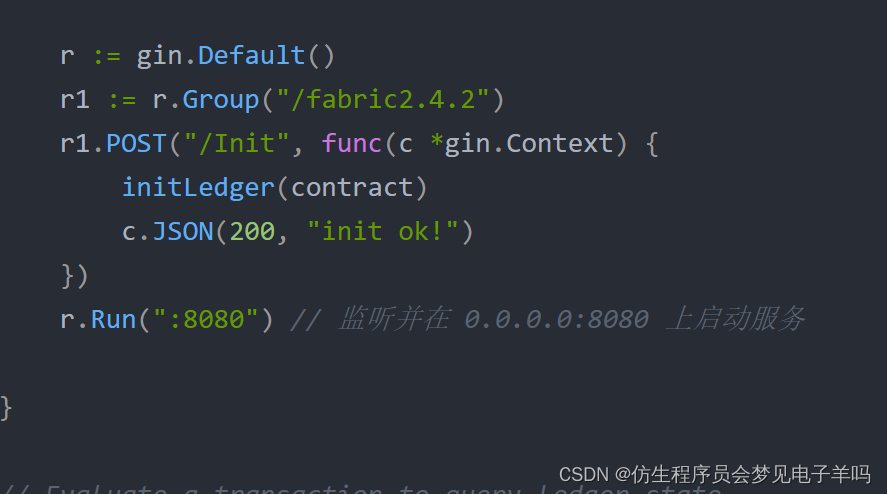
改为这个:
r1.POST("/CreateAsset", func(c *gin.Context) {
		var asset Asset
		c.ShouldBind(&asset)
		c.JSON(200, asset)
		marshal, _ := json.Marshal(asset)
		CreateAsset(contract, asset)
		fmt.Println("存入成功!存入的数据是:", string(marshal))
		//fmt.Println("asset:", asset)
	})
函数:
func CreateAsset(contract *client.Contract, asset Asset) string {
	evaluateResult, err := contract.SubmitTransaction("CreateAsset", asset.ID, asset.Color, strconv.Itoa(asset.Size), asset.Owner, strconv.Itoa(asset.AppraisedValue))
	if err != nil {
		panic(fmt.Errorf("failed to evaluate transaction: %w", err))
	}
	result := formatJSON(evaluateResult)

	fmt.Printf("*** Result:%s\n", result)

	return string(evaluateResult)
}
本次实验内容内容不多,难度颇大。
其一在于作者默认搭好框架,所以需要按照前文做出适配。
其二是网络搭好之后的查询,如果看了前文,可以知道作者是修改了
https://github.com/hyperledger/fabric-samples/tree/main/asset-transfer-basic
部分的代码,也就是本文的gin框架部分。修改也很多,
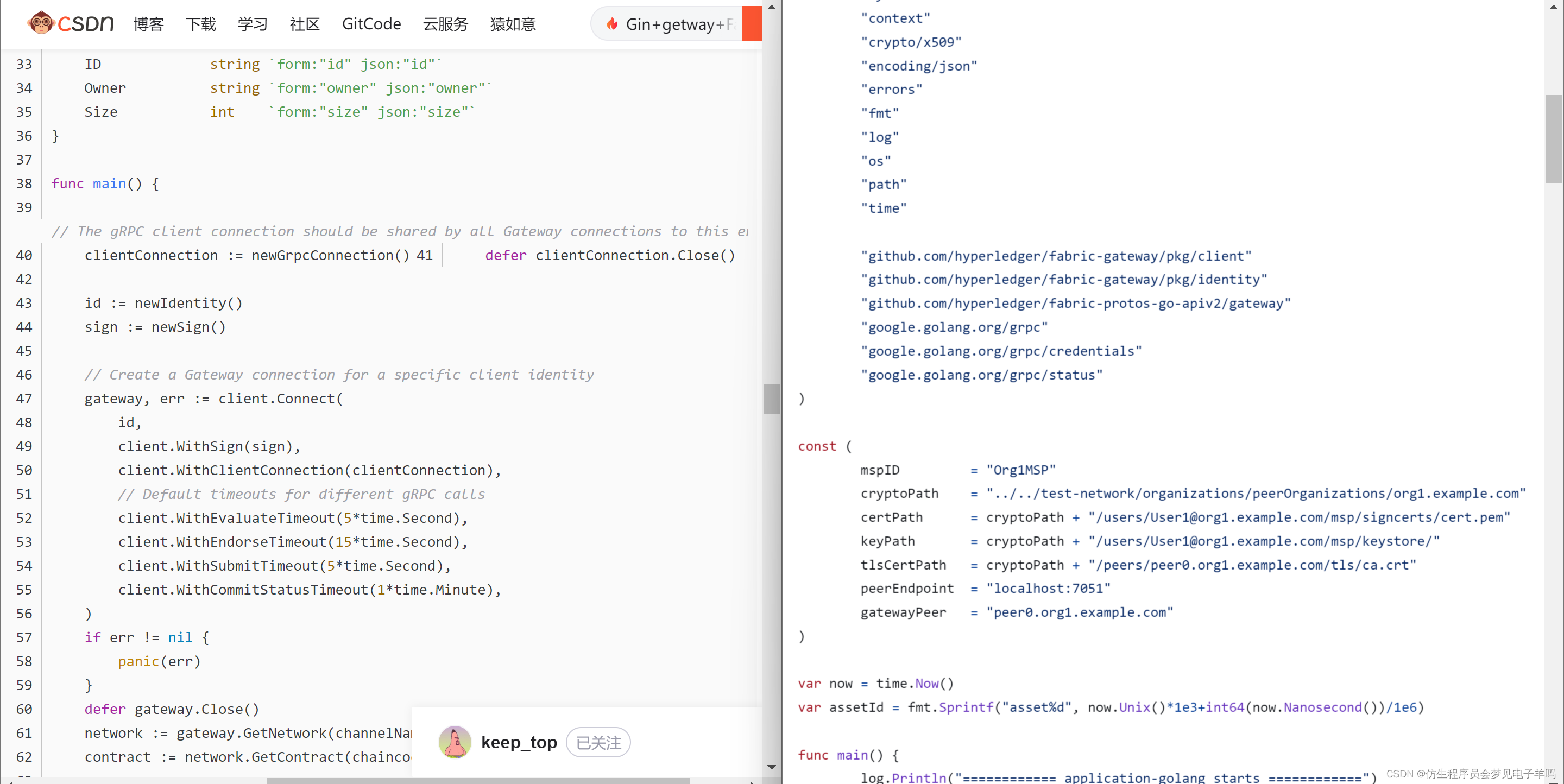
然后就是代码,代码在我这里经常报错,然后为了解决一个bug往往会搞出更多的问题,尤其是网络接口的占用,就在写文档的现在,我的7051端口莫名被占用了,为了更好完成期末任务,决定找一个正确而清晰的文档从头开始配置。(很大的原因是这几次作业下来整个fabric文件夹臃肿不堪,fabric-samples就有好几个,隔着几周时间回去看,有能运行的,也有当初是坑,后来没删的,总之,归零重启更有效)
在做两个实验之前,我先按照作者的思路配置了环境,主要是启动网络。
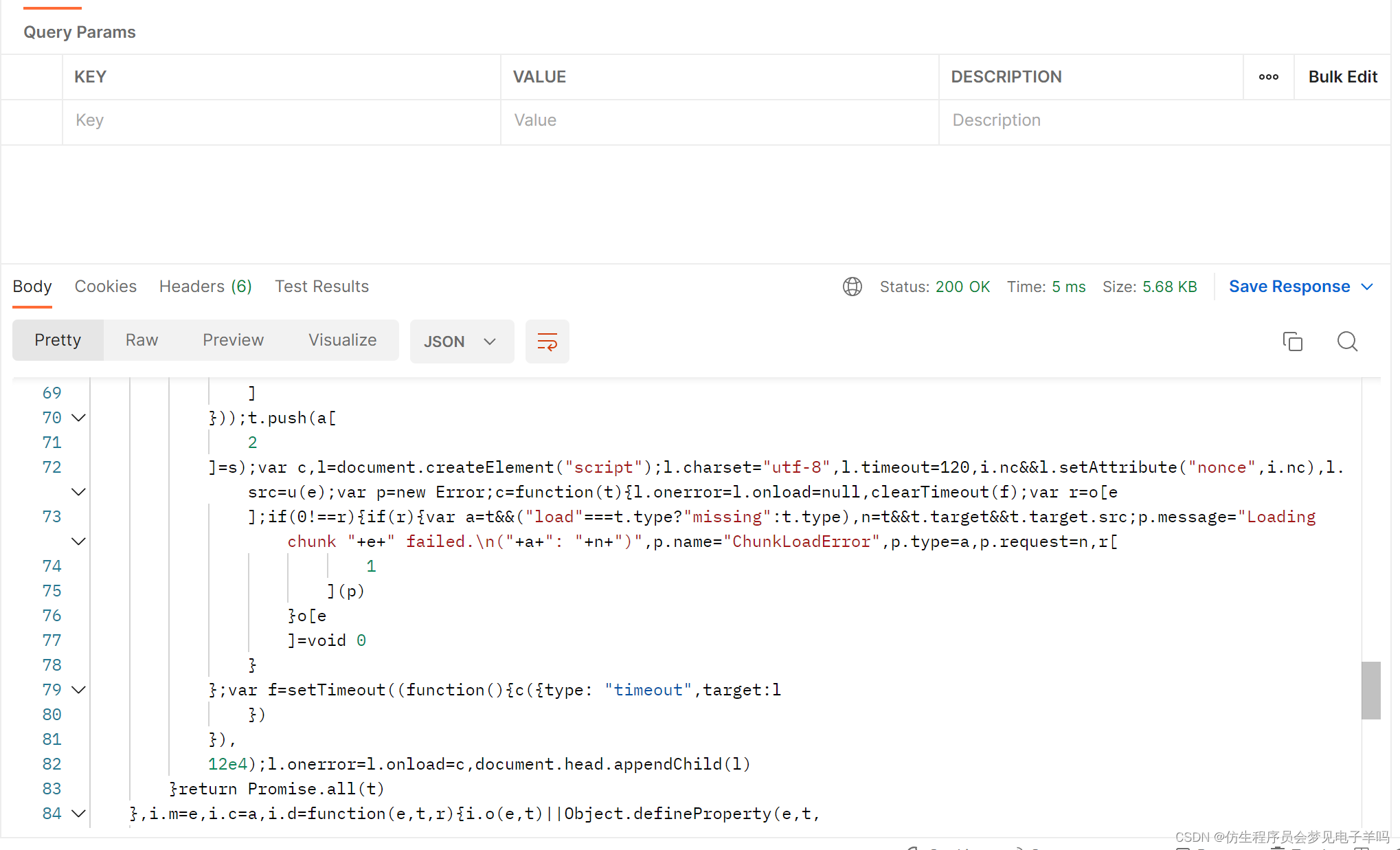
其次是一种很新的工具,postman,现在还没有完全摸清这个软件的用途,目前仅做查询网址用途。
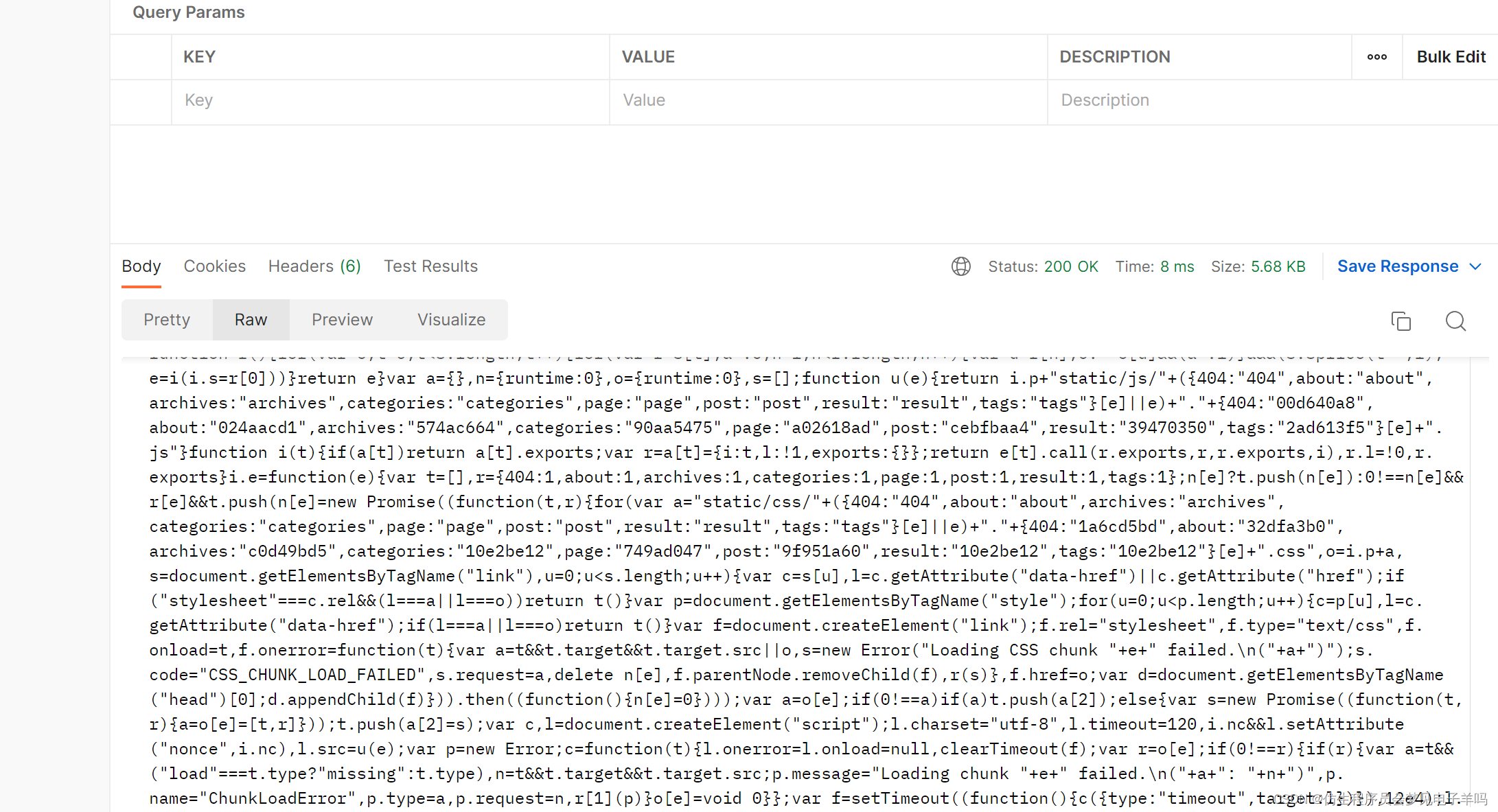
第二个查询部分没有把assets查出来,可能是某个方面出了bug,之后会重新启用虚拟机,然后从头开始做一遍。

对于具有离线功能的智能手机应用程序,我正在为Xml文件创建单向文本同步。我希望我的服务器将增量/差异(例如GNU差异补丁)发送到目标设备。这是计划:Time=0Server:hasversion_1ofXmlfile(~800kiB)Client:hasversion_1ofXmlfile(~800kiB)Time=1Server:hasversion_1andversion_2ofXmlfile(each~800kiB)computesdeltaoftheseversions(=patch)(~10kiB)sendspatchtoClient(~10kiBtransferred)Cl
我构建了两个需要相互通信和发送文件的Rails应用程序。例如,一个Rails应用程序会发送请求以查看其他应用程序数据库中的表。然后另一个应用程序将呈现该表的json并将其发回。我还希望一个应用程序将存储在其公共(public)目录中的文本文件发送到另一个应用程序的公共(public)目录。我从来没有做过这样的事情,所以我什至不知道从哪里开始。任何帮助,将不胜感激。谢谢! 最佳答案 无论Rails是什么,几乎所有Web应用程序都有您的要求,大多数现代Web应用程序都需要相互通信。但是有一个小小的理解需要你坚持下去,网站不应直接访问彼此
我尝试运行2.x应用程序。我使用rvm并为此应用程序设置其他版本的ruby:$rvmuseree-1.8.7-head我尝试运行服务器,然后出现很多错误:$script/serverNOTE:Gem.source_indexisdeprecated,useSpecification.Itwillberemovedonorafter2011-11-01.Gem.source_indexcalledfrom/Users/serg/rails_projects_terminal/work_proj/spohelp/config/../vendor/rails/railties/lib/r
刚入门rails,开始慢慢理解。有人可以解释或给我一些关于在application_controller中编码的好处或时间和原因的想法吗?有哪些用例。您如何为Rails应用程序使用应用程序Controller?我不想在那里放太多代码,因为据我了解,每个请求都会调用此Controller。这是真的? 最佳答案 ApplicationController实际上是您应用程序中的每个其他Controller都将从中继承的类(尽管这不是强制性的)。我同意不要用太多代码弄乱它并保持干净整洁的态度,尽管在某些情况下ApplicationContr
我是一个Rails初学者,但我想从我的RailsView(html.haml文件)中查看Ruby变量的内容。我试图在ruby中打印出变量(认为它会在终端中出现),但没有得到任何结果。有什么建议吗?我知道Rails调试器,但更喜欢使用inspect来打印我的变量。 最佳答案 您可以在View中使用puts方法将信息输出到服务器控制台。您应该能够在View中的任何位置使用Haml执行以下操作:-puts@my_variable.inspect 关于ruby-on-rails-如何在我的R
是否可以在应用程序中包含的gem代码中知道应用程序的Rails文件系统根目录?这是gem来源的示例:moduleMyGemdefself.included(base)putsRails.root#returnnilendendActionController::Base.send:include,MyGem谢谢,抱歉我的英语不好 最佳答案 我发现解决类似问题的解决方案是使用railtie初始化程序包含我的模块。所以,在你的/lib/mygem/railtie.rbmoduleMyGemclassRailtie使用此代码,您的模块将在
无论您是想搭建桌面端、WEB端或者移动端APP应用,HOOPSPlatform组件都可以为您提供弹性的3D集成架构,同时,由工业领域3D技术专家组成的HOOPS技术团队也能为您提供技术支持服务。如果您的客户期望有一种在多个平台(桌面/WEB/APP,而且某些客户端是“瘦”客户端)快速、方便地将数据接入到3D应用系统的解决方案,并且当访问数据时,在各个平台上的性能和用户体验保持一致,HOOPSPlatform将帮助您完成。利用HOOPSPlatform,您可以开发在任何环境下的3D基础应用架构。HOOPSPlatform可以帮您打造3D创新型产品,HOOPSSDK包含的技术有:快速且准确的CAD
导读:随着叮咚买菜业务的发展,不同的业务场景对数据分析提出了不同的需求,他们希望引入一款实时OLAP数据库,构建一个灵活的多维实时查询和分析的平台,统一数据的接入和查询方案,解决各业务线对数据高效实时查询和精细化运营的需求。经过调研选型,最终引入ApacheDoris作为最终的OLAP分析引擎,Doris作为核心的OLAP引擎支持复杂地分析操作、提供多维的数据视图,在叮咚买菜数十个业务场景中广泛应用。作者|叮咚买菜资深数据工程师韩青叮咚买菜创立于2017年5月,是一家专注美好食物的创业公司。叮咚买菜专注吃的事业,为满足更多人“想吃什么”而努力,通过美好食材的供应、美好滋味的开发以及美食品牌的孵
目录一.加解密算法数字签名对称加密DES(DataEncryptionStandard)3DES(TripleDES)AES(AdvancedEncryptionStandard)RSA加密法DSA(DigitalSignatureAlgorithm)ECC(EllipticCurvesCryptography)非对称加密签名与加密过程非对称加密的应用对称加密与非对称加密的结合二.数字证书图解一.加解密算法加密简单而言就是通过一种算法将明文信息转换成密文信息,信息的的接收方能够通过密钥对密文信息进行解密获得明文信息的过程。根据加解密的密钥是否相同,算法可以分为对称加密、非对称加密、对称加密和非
在应用开发中,有时候我们需要获取系统的设备信息,用于数据上报和行为分析。那在鸿蒙系统中,我们应该怎么去获取设备的系统信息呢,比如说获取手机的系统版本号、手机的制造商、手机型号等数据。1、获取方式这里分为两种情况,一种是设备信息的获取,一种是系统信息的获取。1.1、获取设备信息获取设备信息,鸿蒙的SDK包为我们提供了DeviceInfo类,通过该类的一些静态方法,可以获取设备信息,DeviceInfo类的包路径为:ohos.system.DeviceInfo.具体的方法如下:ModifierandTypeMethodDescriptionstatic StringgetAbiList()Obt
