目录
对于前端开发人员来说,css预处理的语言已经是家常便饭了,如sass,less等等,那么在vue3中该如何去使用sass呢?
首先看个最基础的页面,木有任何的样式,接下来将一步一步的添加样式!
<template>
  <div>
    123456
  </div>
</template>
npm install sass项目src文件下,新建styles目录,当然位置自己随意定,新建了这三个scss文件,下面我们对这三个文件进行一一解析。
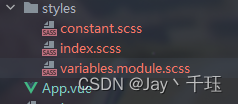
constant.scss:用于放置项目中的sass变量,比如主题颜色,大字体的字号,小字体的字号等等,这里只是用于测试
$color-red: #ff0000;
$large-size: 40px;
$font-oblique: oblique;
index.scss:用于放置项目中自己封装的一些常用的样式,class类名,比如flex布局,定位,字体等等,这个只写了一个
@import "./constant.scss";

.l-size {
  font-size: $large-size;
}
variables.module.scss:用于scss变量的导出,大部分用于vue文件中js中使用
@import "./constant.scss";

:export {
  fontOblique: $font-oblique;
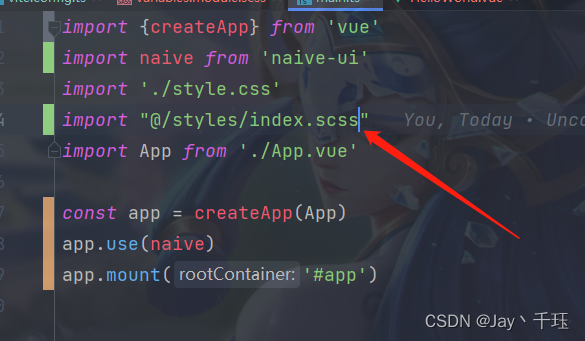
}将我们封装的公共的css样式类名导入进main.ts文件中,这样在所有的vue文件中,就可以随意使用这些样式了
尝试一下~.~
<template>
  <div class="l-size">
    123456
  </div>
</template>

主要用途是将我们的constant.scss中的scss常量加载到全局,这样我们可以在style标签中,随意使用这些scss常量
import {defineConfig} from 'vite'
import vue from '@vitejs/plugin-vue'
import path from 'path';

// https://vitejs.dev/config/
export default defineConfig({
    plugins: [vue()],
    resolve: {
        // Vite路径别名配置
        alias: {
            '@': path.resolve('./src')
        }
    },
    /*主要看下面这段*/
    css: {
        preprocessorOptions: {
            scss: {
                additionalData: '@import "@/styles/constant.scss";'
            }
        }
    }
})
尝试一下~.~
<template>
  <div class="l-size content">
    123456
  </div>
</template>

<style lang="scss" scoped>
.content {
  color: $color-red;
}
</style>
接下来,我们将 variables.module.scss中的变量导入到当前的vue文件中。
<script lang="ts" setup>
import variables from "@/styles/variables.module.scss"

console.log(variables)
</script>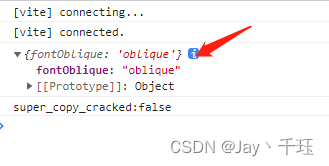
于是我们可以这么写
<template>
  <div class="l-size content" :style="{fontStyle:variables.fontOblique}">
    123456
  </div>
</template>

<script setup lang="ts">
import variables from "../styles/variables.module.scss"

console.log(variables)
</script>

<style lang="scss" scoped>
.content {
  color: $color-red;
}
</style>
或者利用computed
<template>
  <div class="l-size content" :style="getStyle">
    123456
  </div>
</template>

<script setup lang="ts">
import {computed} from "vue"
import variables from "../styles/variables.module.scss"

const getStyle = computed(() => ({fontStyle: variables.fontOblique}))
</script>

<style lang="scss" scoped>
.content {
  color: $color-red;
}
</style>
如此这样~.~!
我想为Heroku构建一个Rails3应用程序。他们使用Postgres作为他们的数据库,所以我通过MacPorts安装了postgres9.0。现在我需要一个postgresgem并且共识是出于性能原因你想要pggem。但是我对我得到的错误感到非常困惑当我尝试在rvm下通过geminstall安装pg时。我已经非常明确地指定了所有postgres目录的位置可以找到但仍然无法完成安装:$envARCHFLAGS='-archx86_64'geminstallpg--\--with-pg-config=/opt/local/var/db/postgresql90/defaultdb/po
我打算为ruby脚本创建一个安装程序,但我希望能够确保机器安装了RVM。有没有一种方法可以完全离线安装RVM并且不引人注目(通过不引人注目,就像创建一个可以做所有事情的脚本而不是要求用户向他们的bash_profile或bashrc添加一些东西)我不是要脚本本身,只是一个关于如何走这条路的快速指针(如果可能的话)。我们还研究了这个很有帮助的问题:RVM-isthereawayforsimpleofflineinstall?但有点误导,因为答案只向我们展示了如何离线在RVM中安装ruby。我们需要能够离线安装RVM本身,并查看脚本https://raw.github.com/wayn
我有一个奇怪的问题:我在rvm上安装了rubyonrails。一切正常,我可以创建项目。但是在我输入“railsnew”时重新启动后,我有“程序'rails'当前未安装。”。SystemUbuntu12.04ruby-v"1.9.3p194"gemlistactionmailer(3.2.5)actionpack(3.2.5)activemodel(3.2.5)activerecord(3.2.5)activeresource(3.2.5)activesupport(3.2.5)arel(3.0.2)builder(3.0.0)bundler(1.1.4)coffee-rails(
我刚刚为fedora安装了emacs。我想用emacs编写ruby。为ruby提供代码提示、代码完成类型功能所需的工具、扩展是什么? 最佳答案 ruby-mode已经包含在Emacs23之后的版本中。不过,它也可以通过ELPA获得。您可能感兴趣的其他一些事情是集成RVM、feature-mode(Cucumber)、rspec-mode、ruby-electric、inf-ruby、rinari(用于Rails)等。这是我当前用于Ruby开发的Emacs配置:https://github.com/citizen428/emacs
我正在尝试在我的centos服务器上安装therubyracer,但遇到了麻烦。$geminstalltherubyracerBuildingnativeextensions.Thiscouldtakeawhile...ERROR:Errorinstallingtherubyracer:ERROR:Failedtobuildgemnativeextension./usr/local/rvm/rubies/ruby-1.9.3-p125/bin/rubyextconf.rbcheckingformain()in-lpthread...yescheckingforv8.h...no***e
我有一个在Linux服务器上运行的ruby脚本。它不使用rails或任何东西。它基本上是一个命令行ruby脚本,可以像这样传递参数:./ruby_script.rbarg1arg2如何将参数抽象到配置文件(例如yaml文件或其他文件)中?您能否举例说明如何做到这一点?提前谢谢你。 最佳答案 首先,您可以运行一个写入YAML配置文件的独立脚本:require"yaml"File.write("path_to_yaml_file",[arg1,arg2].to_yaml)然后,在您的应用中阅读它:require"yaml"arg
我想在一个没有Sass引擎的类中使用Sass颜色函数。我已经在项目中使用了sassgem,所以我认为搭载会像以下一样简单:classRectangleincludeSass::Script::FunctionsdefcolorSass::Script::Color.new([0x82,0x39,0x06])enddefrender#hamlengineexecutedwithcontextofself#sothatwithintemlateicouldcall#%stop{offset:'0%',stop:{color:lighten(color)}}endend更新:参见上面的#re
我的最终目标是安装当前版本的RubyonRails。我在OSXMountainLion上运行。到目前为止,这是我的过程:已安装的RVM$\curl-Lhttps://get.rvm.io|bash-sstable检查已知(我假设已批准)安装$rvmlistknown我看到当前的稳定版本可用[ruby-]2.0.0[-p247]输入命令安装$rvminstall2.0.0-p247注意:我也试过这些安装命令$rvminstallruby-2.0.0-p247$rvminstallruby=2.0.0-p247我很快就无处可去了。结果:$rvminstall2.0.0-p247Search
我实际上是在尝试使用RVM在我的OSX10.7.5上更新ruby,并在输入以下命令后:rvminstallruby我得到了以下回复:Searchingforbinaryrubies,thismighttakesometime.Checkingrequirementsforosx.Installingrequirementsforosx.Updatingsystem.......Errorrunning'requirements_osx_brew_update_systemruby-2.0.0-p247',pleaseread/Users/username/.rvm/log/138121
由于fast-stemmer的问题,我很难安装我想要的任何rubygem。我把我得到的错误放在下面。Buildingnativeextensions.Thiscouldtakeawhile...ERROR:Errorinstallingfast-stemmer:ERROR:Failedtobuildgemnativeextension./System/Library/Frameworks/Ruby.framework/Versions/2.0/usr/bin/rubyextconf.rbcreatingMakefilemake"DESTDIR="cleanmake"DESTDIR=
