目录
双向链表也叫双链表,是链表的一种,它的每个数据结点中都有两个指针,分别指向直接后继和直接前驱。所以,从双向链表中的任意一个结点开始,都可以很方便地访问它的前驱结点和后继结点。一般我们都构造双向循环链表。
class ListNode {
    public int val;
    public ListNode prev;
    public ListNode next;

    public ListNode(int val) {
        this.val = val;
    }
}
public class MyLinkedList {

    public ListNode head;//指向双向链表的头节点
    public ListNode last;//指向的是尾巴结点
    }
打印双链表非常简单,只需要单独创一个结点cur来遍历链表并打印
//打印双向链表
public void display() {
        //和单链表的打印方式是一样的
        ListNode cur = this.head;
        while (cur != null) {
            System.out.print(cur.val + " ");
            cur = cur.next;
        }
        System.out.println();
    }
单独创一个结点cur来遍历链表同时创一个count计数器来计算长度即可
//得到双链表的长度
    public int size() {
        ListNode cur = this.head;
        int count = 0;
        while (cur != null) {
            count++;
            cur = cur.next;
        }
        return count;
    }
单独创一个结点cur来遍历链表并且判断是否包含key
//查找是否包含关键字key是否在双链表中
    public boolean contains(int key) {
        ListNode cur = this.head;
        while (cur != null) {
            if (cur.val == key) {
                return true;
            }
            cur = cur.next;
        }
        return false;
    }
当我们想把新的结点插入到第一个结点位置处,可以先建立一个结点,然后把头结点的prev变为我们新建立结点的next值,然后将我们新建立的结点值变为null,最后将头结点指向新的插入的结点。
注意我们需要首先判断这个链表是否为空,假如为空就直接构建链表即可
//头插法
    public void addFirst(int data) {
        ListNode node = new ListNode(data);
        if (this.head == null) {
            this.head = node;
            this.last = node;
        } else {
            node.next = this.head;
            head.prev = node;
            this.head = node;
        }
    }
尾插法顾名思义就是从结尾插入新的结点,这个和头插法过程差不多,只不过一个是改变head的位置,一个是改变last的位置。
和头插法一样,这个同样需要判断链表是否初始为空
//尾插法
    public void addLast(int data) {
        ListNode node = new ListNode(data);
        if (this.head == null) {
            this.head = node;
            this.last = node;
        } else {
            this.last.next = node;
            node.prev = this.last;
            this.last = node;
        }
    }
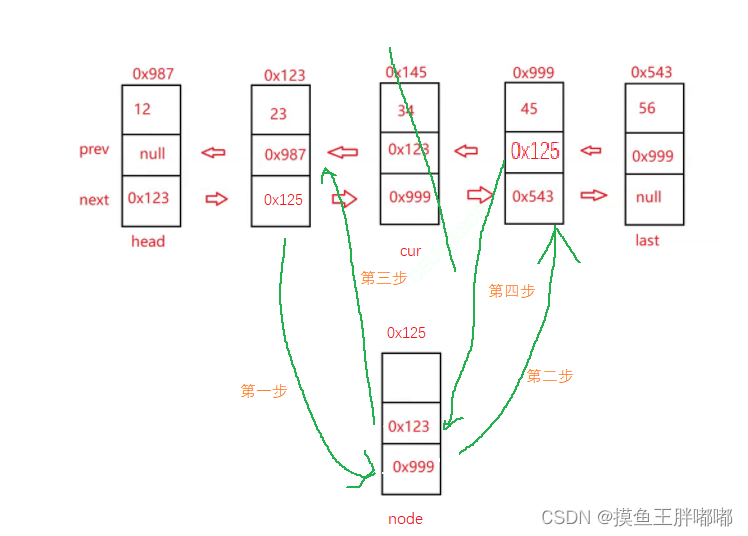
首先要考虑,插入的位置是头部或尾部或中间。根据具体的位置实现具体的操作。
如果是头部,直接调用头插,如果是尾部,就直接调用尾插即可。
如果是中间插的的话:
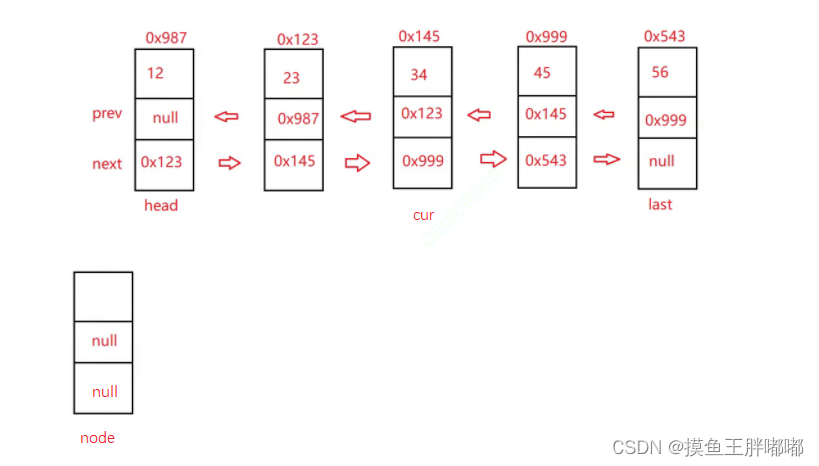
1.node.next = cur.prev.next;
2.cur.prev.next = node;
3.node.prev = cur.prev;
4.cur.prev = node;
public ListNode searchIndex(int index) {
        ListNode cur = this.head;
        while (index != 0) {
            cur = cur.next;
            index--;
        }
        return cur;
    }
    //任意位置插入,第一个数据结点为0号下标
    public void addIndex(int index, int data) {
        ListNode node = new ListNode(data);
        if (index < 0 || index >size()) {
            System.out.println("index位置不合法!");
            return;
        }
        if (index == 0) {
            addFirst(data);
            return;
        }
        if (index == size()) {
            addLast(data);
            return;
        }
        ListNode cur = searchIndex(index);
        node.next = cur.prev.next;
        cur.prev.next = node;
        node.prev = cur.prev;
        cur.prev = node;
    }
假如是头结点的话我们还需要判断这个链表是否只有一个结点,如果是那么last指针也会为空,head指针也会为空,否则,我们只移动头指针结点就可以
当删除中间结点的时候我们可以先找到对于位置的结点cur,利用对应位置的cur.prev和cur.next确定附近两个结点,然后进行删除即可,这个删除与链表相似,只是多了一个删除头结点而已。
//删除第一次出现为key的结点
    public void remove(int key) {
        ListNode cur = this.head;

        while (cur != null) {
            if (cur.val == key) {
                if (cur == head) {
                    this.head = this.head.next;
                    if (this.head != null) {
                        this.head.prev = null;
                    } else {
                        this.last = null;
                    }
                } else {
                    cur.prev.next = cur.next;
                    if (cur.next != null) {
                        cur.next.prev = cur.prev;
                    } else {
                        this.last = this.last.prev;
                    }
                }
                return;
            }
            cur = cur.next;
        }
    }
//删除所有key的值
    public void removeAllKey(int key) {
        ListNode cur = this.head;

        while (cur != null) {
            if (cur.val == key) {
                if (cur == head) {
                    this.head = this.head.next;
                    if (this.head != null) {
                        this.head.prev = null;
                    } else {
                        this.last = null;
                    }
                } else {
                    cur.prev.next = cur.next;
                    if (cur.next != null) {
                        cur.next.prev = cur.prev;
                    } else {
                        this.last = this.last.prev;
                    }
                }
            }
            cur = cur.next;
        }
    }
//清空双链表
    public void clear() {
        while (this.head != null) {
            ListNode curNext = head.next;
            this.head.next = null;
            this.head.prev = null;
            this.head = curNext;
        }
        last = null;
    }
class ListNode {
    public int val;
    public ListNode prev;
    public ListNode next;

    public ListNode(int val) {
        this.val = val;
    }
}

public class MyLinkedList {

    public ListNode head;//指向双向链表的头节点
    public ListNode last;//指向的是尾巴结点


    //打印双向链表
    public void display() {
        //和单链表的打印方式是一样的
        ListNode cur = this.head;
        while (cur != null) {
            System.out.print(cur.val + " ");
            cur = cur.next;
        }
        System.out.println();
    }

    //得到双链表的长度
    public int size() {
        ListNode cur = this.head;
        int count = 0;
        while (cur != null) {
            count++;
            cur = cur.next;
        }
        return count;
    }

    //查找是否包含关键字key是否在双链表中
    public boolean contains(int key) {
        ListNode cur = this.head;
        while (cur != null) {
            if (cur.val == key) {
                return true;
            }
            cur = cur.next;
        }
        return false;
    }

    //头插法
    public void addFirst(int data) {
        ListNode node = new ListNode(data);
        if (this.head == null) {
            this.head = node;
            this.last = node;
        } else {
            node.next = this.head;
            head.prev = node;
            this.head = node;
        }
    }

    //尾插法
    public void addLast(int data) {
        ListNode node = new ListNode(data);
        if (this.head == null) {
            this.head = node;
            this.last = node;
        } else {
            this.last.next = node;
            node.prev = this.last;
            this.last = node;
        }
    }


    public ListNode searchIndex(int index) {
        ListNode cur = this.head;
        while (index != 0) {
            cur = cur.next;
            index--;
        }
        return cur;
    }
    //任意位置插入,第一个数据结点为0号下标
    public void addIndex(int index, int data) {
        ListNode node = new ListNode(data);
        if (index < 0 || index >size()) {
            System.out.println("index位置不合法!");
            return;
        }
        if (index == 0) {
            addFirst(data);
            return;
        }
        if (index == size()) {
            addLast(data);
            return;
        }
        ListNode cur = searchIndex(index);
        node.next = cur.prev.next;
        cur.prev.next = node;
        node.prev = cur.prev;
        cur.prev = node;
    }

    //删除第一次出现为key的结点
    public void remove(int key) {
        ListNode cur = this.head;

        while (cur != null) {
            if (cur.val == key) {
                if (cur == head) {
                    this.head = this.head.next;
                    if (this.head != null) {
                        this.head.prev = null;
                    } else {
                        this.last = null;
                    }
                } else {
                    cur.prev.next = cur.next;
                    if (cur.next != null) {
                        cur.next.prev = cur.prev;
                    } else {
                        this.last = this.last.prev;
                    }
                }
                return;
            }
            cur = cur.next;
        }
    }

    //删除所有key的值
    public void removeAllKey(int key) {
        ListNode cur = this.head;

        while (cur != null) {
            if (cur.val == key) {
                if (cur == head) {
                    this.head = this.head.next;
                    if (this.head != null) {
                        this.head.prev = null;
                    } else {
                        this.last = null;
                    }
                } else {
                    cur.prev.next = cur.next;
                    if (cur.next != null) {
                        cur.next.prev = cur.prev;
                    } else {
                        this.last = this.last.prev;
                    }
                }
            }
            cur = cur.next;
        }
    }

    //清空双链表
    public void clear() {
        while (this.head != null) {
            ListNode curNext = head.next;
            this.head.next = null;
            this.head.prev = null;
            this.head = curNext;
        }
        last = null;
    }
}
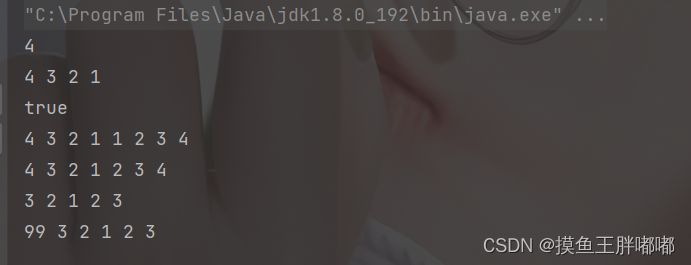
public class Test {
    public static void main(String[] args) {
        MyLinkedList myLinkedList = new MyLinkedList();
        myLinkedList.addFirst(1);
        myLinkedList.addFirst(2);
        myLinkedList.addFirst(3);
        myLinkedList.addFirst(4);
        System.out.println(myLinkedList.size());
        myLinkedList.display();
        System.out.println(myLinkedList.contains(1));
        myLinkedList.addLast(1);
        myLinkedList.addLast(2);
        myLinkedList.addLast(3);
        myLinkedList.addLast(4);
        myLinkedList.display();
        myLinkedList.remove(1);
        myLinkedList.display();
        myLinkedList.removeAllKey(4);
        myLinkedList.display();
        myLinkedList.addIndex(0,99);
        myLinkedList.display();
        myLinkedList.clear();
        myLinkedList.display();

    }
}
我在我的项目目录中完成了compasscreate.和compassinitrails。几个问题:我已将我的.sass文件放在public/stylesheets中。这是放置它们的正确位置吗?当我运行compasswatch时,它不会自动编译这些.sass文件。我必须手动指定文件:compasswatchpublic/stylesheets/myfile.sass等。如何让它自动运行?文件ie.css、print.css和screen.css已放在stylesheets/compiled。如何在编译后不让它们重新出现的情况下删除它们?我自己编译的.sass文件编译成compiled/t
我想将html转换为纯文本。不过,我不想只删除标签,我想智能地保留尽可能多的格式。为插入换行符标签,检测段落并格式化它们等。输入非常简单,通常是格式良好的html(不是整个文档,只是一堆内容,通常没有anchor或图像)。我可以将几个正则表达式放在一起,让我达到80%,但我认为可能有一些现有的解决方案更智能。 最佳答案 首先,不要尝试为此使用正则表达式。很有可能你会想出一个脆弱/脆弱的解决方案,它会随着HTML的变化而崩溃,或者很难管理和维护。您可以使用Nokogiri快速解析HTML并提取文本:require'nokogiri'h
我主要使用Ruby来执行此操作,但到目前为止我的攻击计划如下:使用gemsrdf、rdf-rdfa和rdf-microdata或mida来解析给定任何URI的数据。我认为最好映射到像schema.org这样的统一模式,例如使用这个yaml文件,它试图描述数据词汇表和opengraph到schema.org之间的转换:#SchemaXtoschema.orgconversion#data-vocabularyDV:name:namestreet-address:streetAddressregion:addressRegionlocality:addressLocalityphoto:i
我真的很习惯使用Ruby编写以下代码:my_hash={}my_hash['test']=1Java中对应的数据结构是什么? 最佳答案 HashMapmap=newHashMap();map.put("test",1);我假设? 关于java-等价于Java中的RubyHash,我们在StackOverflow上找到一个类似的问题: https://stackoverflow.com/questions/22737685/
我有一个用户工厂。我希望默认情况下确认用户。但是鉴于unconfirmed特征,我不希望它们被确认。虽然我有一个基于实现细节而不是抽象的工作实现,但我想知道如何正确地做到这一点。factory:userdoafter(:create)do|user,evaluator|#unwantedimplementationdetailshereunlessFactoryGirl.factories[:user].defined_traits.map(&:name).include?(:unconfirmed)user.confirm!endendtrait:unconfirmeddoenden
有时我需要处理键/值数据。我不喜欢使用数组,因为它们在大小上没有限制(很容易不小心添加超过2个项目,而且您最终需要稍后验证大小)。此外,0和1的索引变成了魔数(MagicNumber),并且在传达含义方面做得很差(“当我说0时,我的意思是head...”)。散列也不合适,因为可能会不小心添加额外的条目。我写了下面的类来解决这个问题:classPairattr_accessor:head,:taildefinitialize(h,t)@head,@tail=h,tendend它工作得很好并且解决了问题,但我很想知道:Ruby标准库是否已经带有这样一个类? 最佳
如果我使用ruby版本2.5.1和Rails版本2.3.18会怎样?我有基于rails2.3.18和ruby1.9.2p320构建的rails应用程序,我只想升级ruby的版本,而不是rails,这可能吗?我必须面对哪些挑战? 最佳答案 GitHub维护apublicfork它有针对旧Rails版本的分支,有各种变化,它们一直在运行。有一段时间,他们在较新的Ruby版本上运行较旧的Rails版本,而不是最初支持的版本,因此您可能会发现一些关于需要向后移植的有用提示。不过,他们现在已经有几年没有使用2.3了,所以充其量只能让更
我正在尝试使用boilerpipe来自JRuby。我看过guide从JRuby调用Java,并成功地将它与另一个Java包一起使用,但无法弄清楚为什么同样的东西不能用于boilerpipe。我正在尝试基本上从JRuby中执行与此Java等效的操作:URLurl=newURL("http://www.example.com/some-location/index.html");Stringtext=ArticleExtractor.INSTANCE.getText(url);在JRuby中试过这个:require'java'url=java.net.URL.new("http://www
给定一个复杂的对象层次结构,幸运的是它不包含循环引用,我如何实现支持各种格式的序列化?我不是来讨论实际实现的。相反,我正在寻找可能会派上用场的设计模式提示。更准确地说:我正在使用Ruby,我想解析XML和JSON数据以构建复杂的对象层次结构。此外,应该可以将该层次结构序列化为JSON、XML和可能的HTML。我可以为此使用Builder模式吗?在任何提到的情况下,我都有某种结构化数据-无论是在内存中还是文本中-我想用它来构建其他东西。我认为将序列化逻辑与实际业务逻辑分开会很好,这样我以后就可以轻松支持多种XML格式。 最佳答案 我最
我只想对我一直在思考的这个问题有其他意见,例如我有classuser_controller和classuserclassUserattr_accessor:name,:usernameendclassUserController//dosomethingaboutanythingaboutusersend问题是我的User类中是否应该有逻辑user=User.newuser.do_something(user1)oritshouldbeuser_controller=UserController.newuser_controller.do_something(user1,user2)我
